Drug Treatment After a DUI
A DUI or even a second or third DUI conviction can be the catalyst sometimes needed to get alcohol or drug abusers into rehab.
Some people enter drug treatment after a DUI conviction to avoid or minimize the legal repercussions of the arrest, and some repeat DUI offenders will be sent to court mandated drug and alcohol treatment programs after a DUI conviction.
For some, the legal complications and public exposure of a DUI can be enough to break through an existing wall of denial, and force a personal acceptance of the need for change, and the need for professional drug treatment.
The good news is that regardless of the motivations for entry into a drug treatment program after a DUI conviction, the therapies and programming of drug treatment prove almost equally effective to all that access them, regardless of their initial motivations for joining.
Personal Acceptance
A first step to recovery
Not many people would wish for legal problems, but when the arrest for a crime results in an awakening and a major life improvement, then a DUI arrest can be a very positive step to recovery.
Many people find that their wall of denial breaks down under public and personal scrutiny after an alcohol related offense; and once a problem can no longer be denied, many people accept that professional help has become needed.
The intensity level of drug treatment as needed will vary depending on the severity of abuse and the length of the dependency, and for some an outpatient program of drug treatment after a DUI will be sufficient. For many, only inpatient drug treatment will offer hope of significant improvement.
Court Mandated Drug Treatment
A second chance
DUI and alcohol abuse courts work in conjunction with drug courts in many states in an attempt to work with substance abusers with repeated DUI convictions, who have demonstrated an inability to control their substance abuse and their intoxicated driving behaviors.
Unlike drug court offenders, most DUI offenders do maintain stable employment, have family support and a stable home environment. Depending on the perceived severity of the addiction and the circumstances of the DUI, the drug treatment may be offered as an outpatient or after work program, allowing offenders to maintain employment and family support as they undergo needed drug treatment after a DUI.
Judges may determine that a lengthy period of immersive residential drug treatment may be required, and in severe cases may even mandate a lengthy period of sober or halfway housing. In most cases, participants who successfully fulfill the prescribed drug treatment obligations after a DUI arrest are not subject to additional prosecution; but a failure to follow the mandated treatment to its recommended conclusion will compel a retrial for the crime, and a re-sentencing in conventional court.
Again, clinical studies have shown the initial motivation for entering into a drug treatment program does not greatly influence the eventual success rates, and as such many reluctant participants in drug treatment after a DUI arrest may find that the period of drug treatment influences lasting behavioral change and sobriety.
Conclusion
An ultimately happy conclusion
A DUI is a serious criminal offence and also a morally wrong behavior, and those people arrested for a DUI without having caused bodily harm to themselves or more importantly to innocent others, should consider themselves fortunate. Although not every DUI offender has a substance abuse problem, the commission of a DUI or multiple DUI's can often indicate that the compulsion to substance abuse has become strong and the consequences of that abuse harmful. Any DUI arrest should require that offenders take a personal inventory of their substance use behaviors, and for some, that introspection may lead to an acceptance of the need for drug treatment, and hopefully for lasting behavioral change and sobriety.
A DUI is not a good thing, but if a DUI without injuries induces drug treatment and recovery, then it may offer an ultimately very happy conclusion.
Minimizing the Legal Repercussions of an Arrest
After a DUI
Although entering into drug treatment after a DUI to minimize the potential legal consequences of the act is not necessarily the best of reasons to initiate treatment, many people find that once they enter and participate in the programming of drug treatment, their motivations and self perceptions change, and they eventually benefit greatly from the offered drug treatment.
Using the time after a DUI arrest but before trial and sentencing to get needed drug treatment can show the judge of your conviction to change your behaviors, and illustrates your remorse over the event. Entering drug treatment after a DUI in an effort to reduce the severity of the imposed sentence is not a guarantee of lenient treatment within the judicial system, but a personal acceptance of the problem and a proactive step towards substance abuse treatment may result in a greatly reduced sentence within the courtroom.
Editor’s picks

Prayers In 12 Steps Drug Treatment Programs
Although no one can deny the effectiveness of secular techniques in rehab, we exist as spiritual beings, and an addiction is an ailment of the spirit as much as a disease of the body. We need tools such as those offered through private therapy and cognitive peer groups to combat temptation when it arises, but for those lucky enough to posses a strong belief in God, through prayer and faith; temptation is avoided, resolve strengthen, and sobriety enhanced.

The Benefits of Meditation in Drug Treatment
As addictions professionals recognize and promote the benefits of more holistic programs of recovery, the value of meditation in drug treatment is increasingly recognized and offered as adjunct therapeutic programming in comprehensive drug rehabs.

The United Nations on 'Addiction Treatment Rights'
No matter what you’ve done or who you are, you are entitled to drug addiction treatment that is respectful of your dignity and rights as a human being.
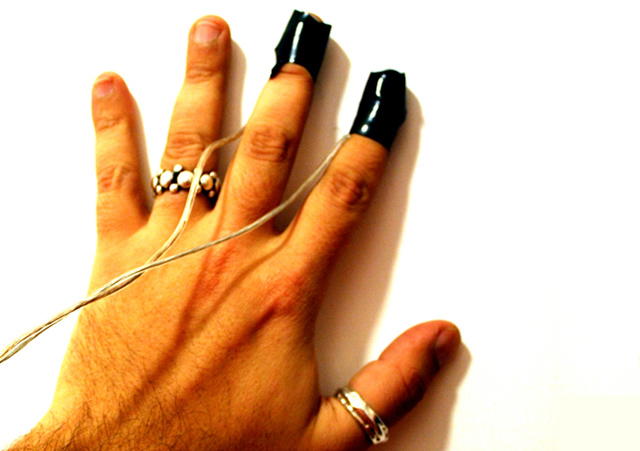
Biofeedback in Addiction Treatment
Biofeedback Therapy is a relatively new form of alternative therapy that uses specialized instruments and technology to measure quantifiable reactions and responses of the body.

Want Quality Treatment? Evidence-Based Therapies Increase Your Chances of Lasting Addiction Recovery
If you want to be sure you'll get value and benefit from an addiction treatment program, make sure they offer evidence based therapies - interventions that are actually proven to work!