Biofeedback in Addiction Treatment
Biofeedback Therapy is a relatively new form of alternative therapy that uses specialized instruments and technology to measure quantifiable reactions and responses of the body.

Biofeedback - What is it?
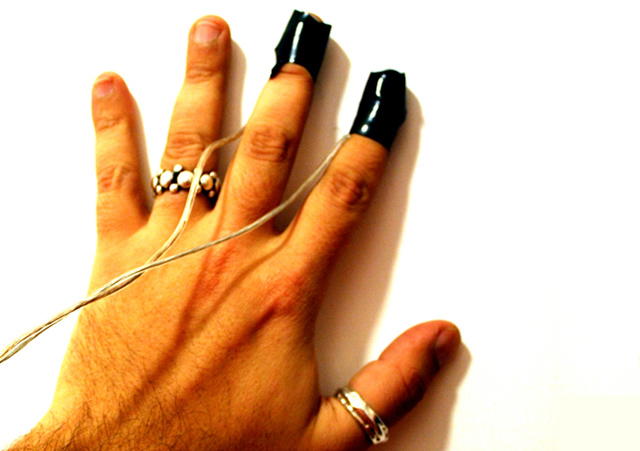
Biofeedback is simply monitoring various things that are happing in our bodies such as blood pressure, heart rate, skin temperature, muscle tension and perspiration and seeing the results in real time.
Even things like taking your temperature or weighing yourself on your bathroom scale could be considered biofeedback.
Uses
Biofeedback Therapy is used to treat a wide range of issues, but is commonly used to treat things like hypertension (high blood pressure), incontinence, migraines and chronic headaches, muscle tension and pain, sports injuries insomnia and anxiety.
More recently and with promising, but not proven results, biofeedback has been applied to the treatment of ADHD and also incorporated into addiction treatments.1
How it Works
The idea behind Biofeedback Therapy is that we can control our body’s responses and behavior by understanding it better. With the help of scientific equipment, patients are made aware of physiological information in real time that they would otherwise not notice, and with the help of a professional, these results can be interpreted and applied to improve the ailment.
With practice and training, biofeedback therapy can put the patient more in control of physical processes of the body - processes that previously were automatic responses of the nervous system or brain. Although results can vary dramatically, the idea is that by having access to this physiological information, you can teach yourself to self regulate better. Essentially, mind over matter.
In terms of its application to addiction, biofeedback is in some aspects the scientific approach to the benefits of meditation. Getting attuned to your body and mind and therefore having greater influence over it. By learning relaxation techniques and controlling respiration rates, biofeedback can improve sleep and help treat anxiety and depression. Many patients say they gain more confidence about their bodies when they realize they can control physiological aspects of themselves.
Some studies have shown that people who have alcohol abuse problems also have different brain wave patterns, yet by observing brain waves and learning biofeedback techniques, one can retrain the brain subtly over time.
For Example
There is a connection between skin temperature and the level of stress someone is experiencing. Therefore, when a biofeedback machine registers a drop in body temperature, then the patient knows that they need to start relaxation techniques.
Another measurement that is often taken is the activity of sweat glands and the amount of perspiration (galvanic skin response) that a patient expels, because this reflects levels of anxiety. One well known application of this is the polygraph machine (lie detector) which takes advantage of this physiological response to find out if someone is not telling the truth.
Brain waves can also be observed using an electroencephalography or EEG. Different types of brain waves reflect different mental states. Beta waves indicate wakefulness, Alpha waves show relaxation and Theta waves reflect calmness.
References
Editor’s picks

Prayers In 12 Steps Drug Treatment Programs
Although no one can deny the effectiveness of secular techniques in rehab, we exist as spiritual beings, and an addiction is an ailment of the spirit as much as a disease of the body. We need tools such as those offered through private therapy and cognitive peer groups to combat temptation when it arises, but for those lucky enough to posses a strong belief in God, through prayer and faith; temptation is avoided, resolve strengthen, and sobriety enhanced.

The Benefits of Meditation in Drug Treatment
As addictions professionals recognize and promote the benefits of more holistic programs of recovery, the value of meditation in drug treatment is increasingly recognized and offered as adjunct therapeutic programming in comprehensive drug rehabs.

The United Nations on 'Addiction Treatment Rights'
No matter what you’ve done or who you are, you are entitled to drug addiction treatment that is respectful of your dignity and rights as a human being.

Want Quality Treatment? Evidence-Based Therapies Increase Your Chances of Lasting Addiction Recovery
If you want to be sure you'll get value and benefit from an addiction treatment program, make sure they offer evidence based therapies - interventions that are actually proven to work!
Understanding Addiction - What You Need to Know
Want to understand addiction? Here are the straight facts from the American Society of Addiction Medicine.