Tennessee Drug & Alcohol Rehab Centers
80+ treatment centers in Tennessee

Burns, Tennessee
Treatment Center
Mirror Lake Recovery is a private addiction treatment center located on 109 beautiful, serene and secluded wooded acres in Burns, Tennessee. This exclusive rehab offers drug & alcohol rehabilitation programs for men, women and teens.
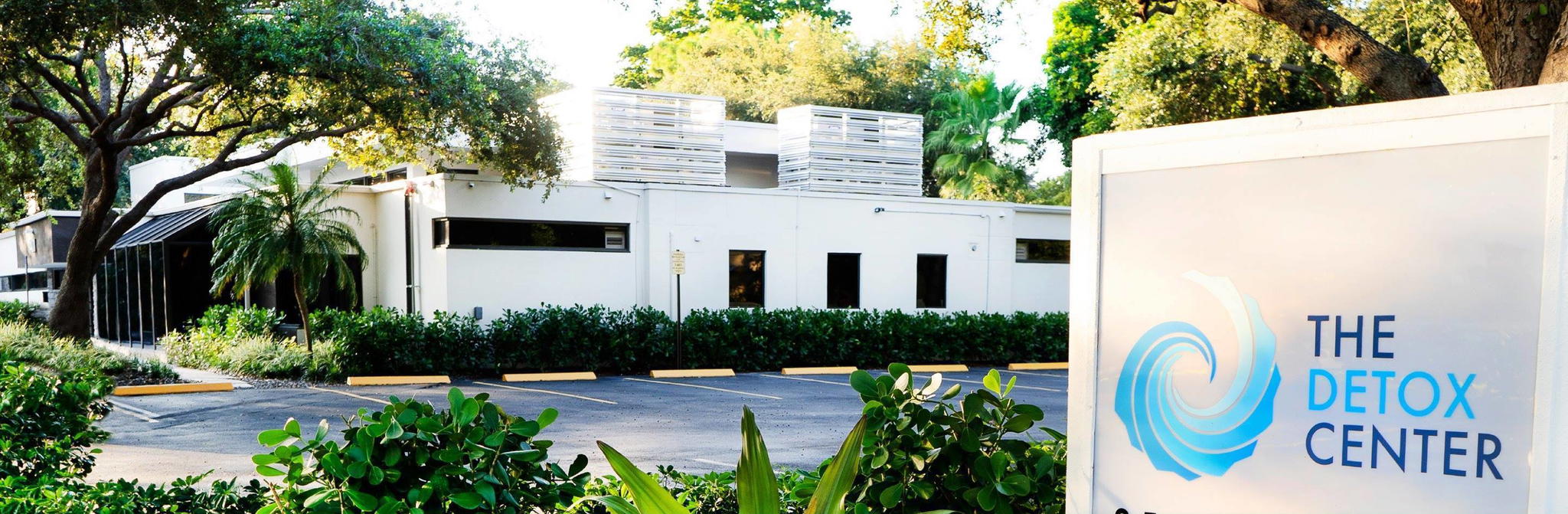
Athens, Tennessee
$$$$36 bedsTreatment CenterOpioid Treatment Program
Our drug and alcohol Detox center provides the best medical detox treatment to break the physical dependency of addiction.
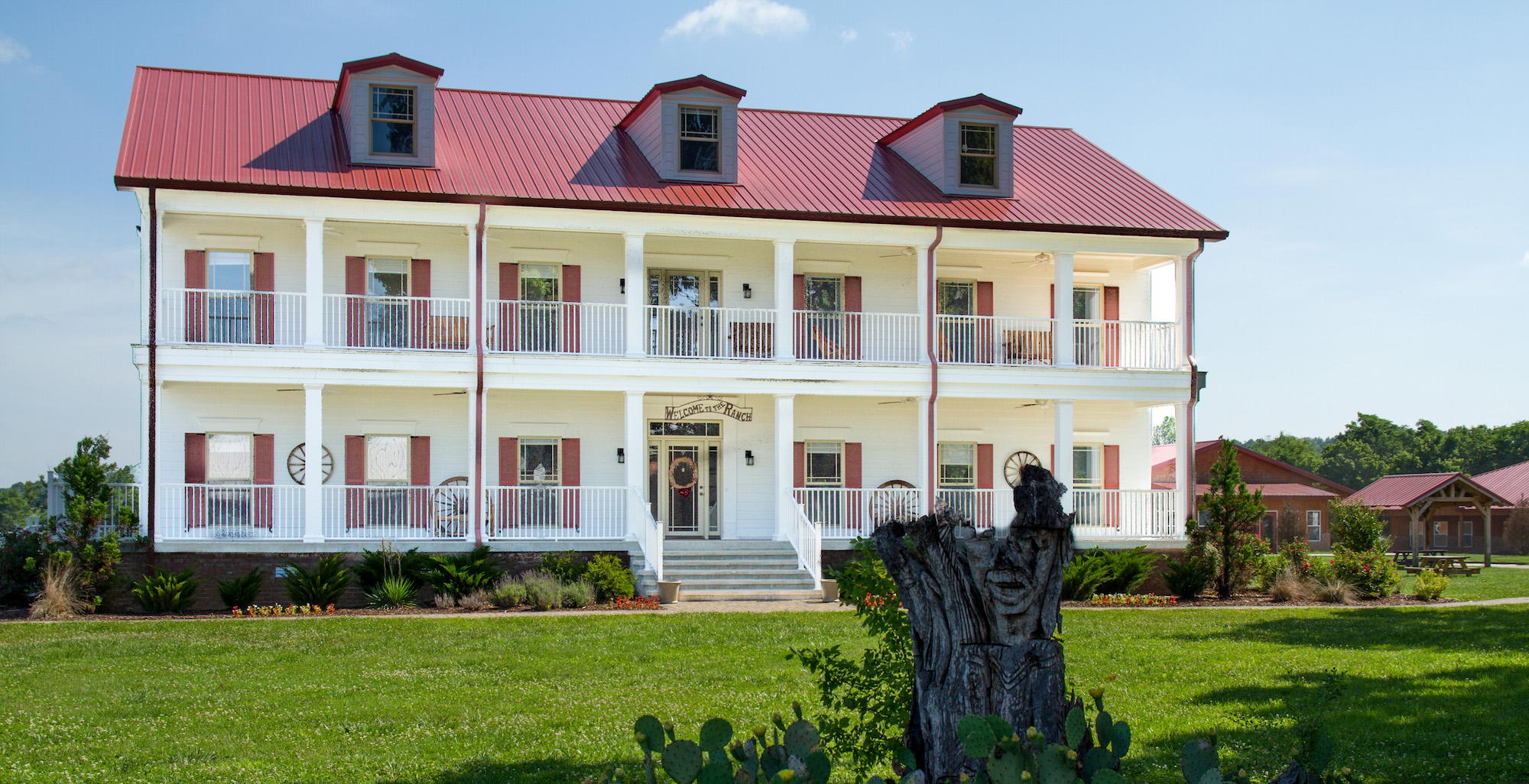
The Ranch
VerifiedNunnelly, Tennessee
$$$$100 bedsTop Luxury Rehab
The Ranch's CARF-accredited program offers various experiential modalities toward identifying and treating underlying causes of clients' need to self-medicate.
Memphis, Tennessee
Outpatient Rehab
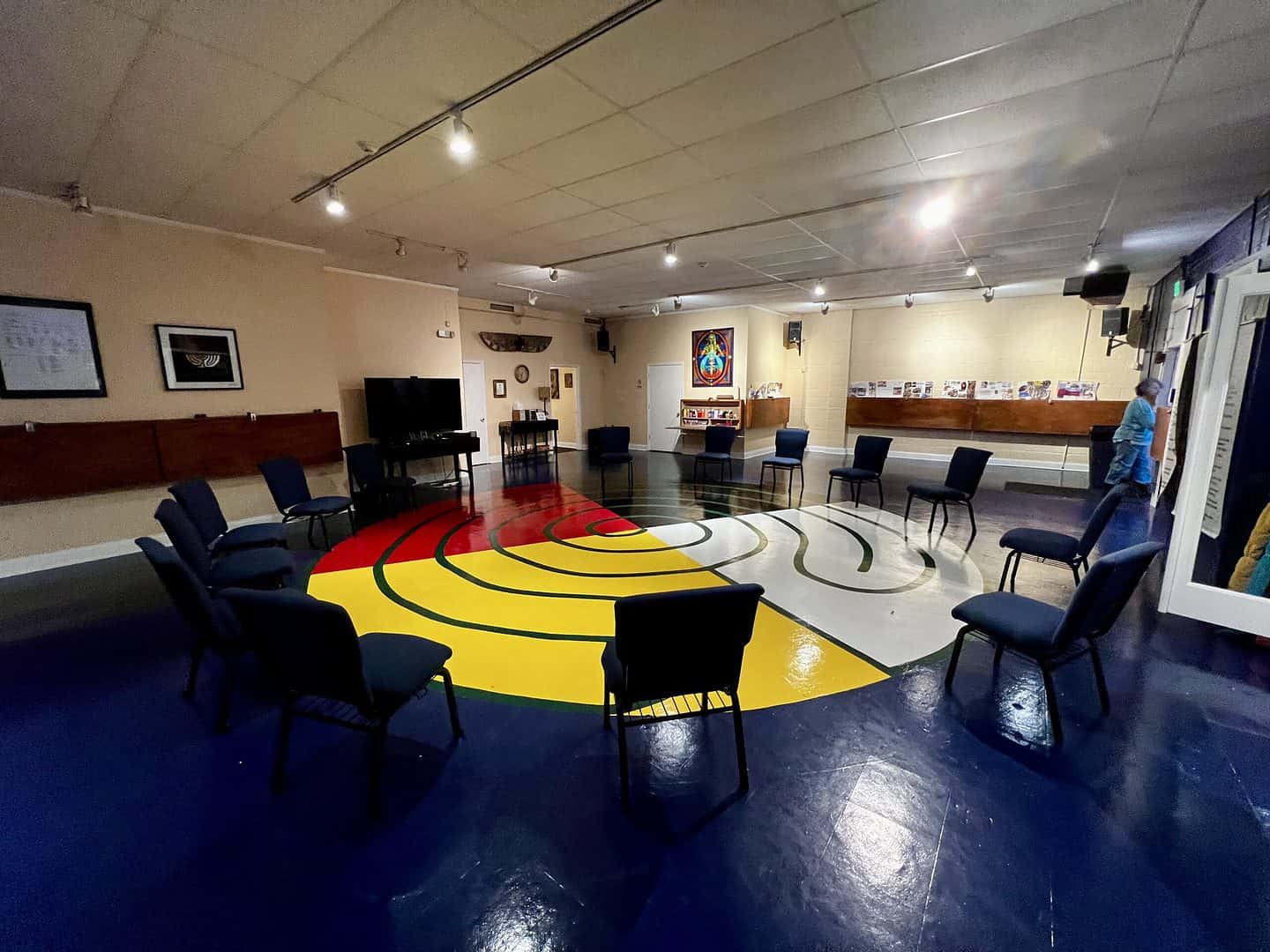
Healing Hearts Foundation is a licensed non-residential alcohol and drug treatment facility and outpatient mental health provider in Memphis, Tennessee. The 501(c)(3) nonprofit offers individual counseling, intensive outpatient treatment, EMDR, and Seeking Safety for substance use and co-occurring mental health disorders.
Chattanooga, Tennessee
Treatment Center
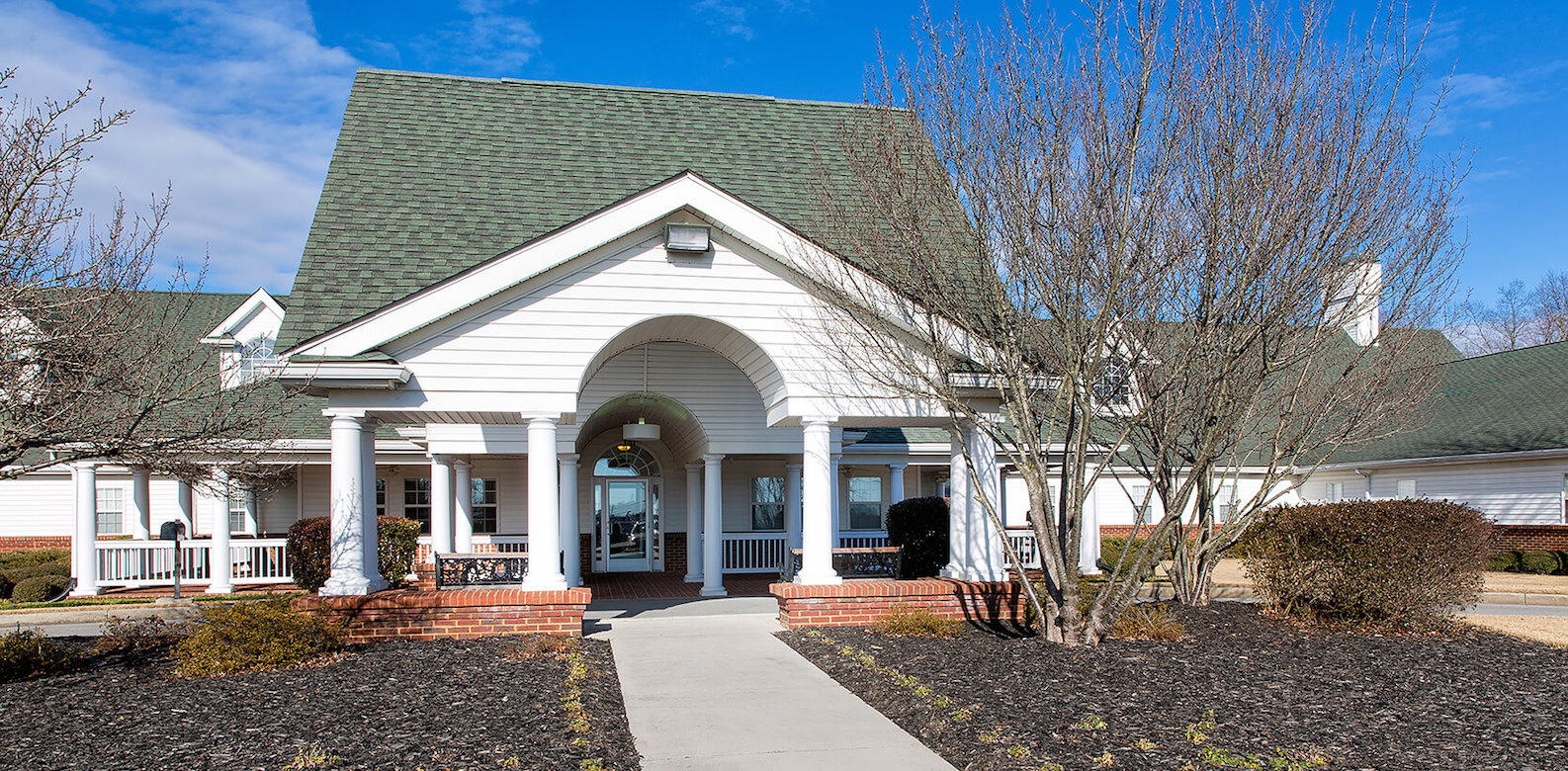
Focus treatment center Chattanooga is a drug and alcohol rehab for adolescents and adults. We are based in Chattanooga, Tennessee. Our focus is on residential addiction treatment and we further specialize in the provision of an intensive outpatient program (IOP), medical detoxification and the treatment of co-occuring disorders.
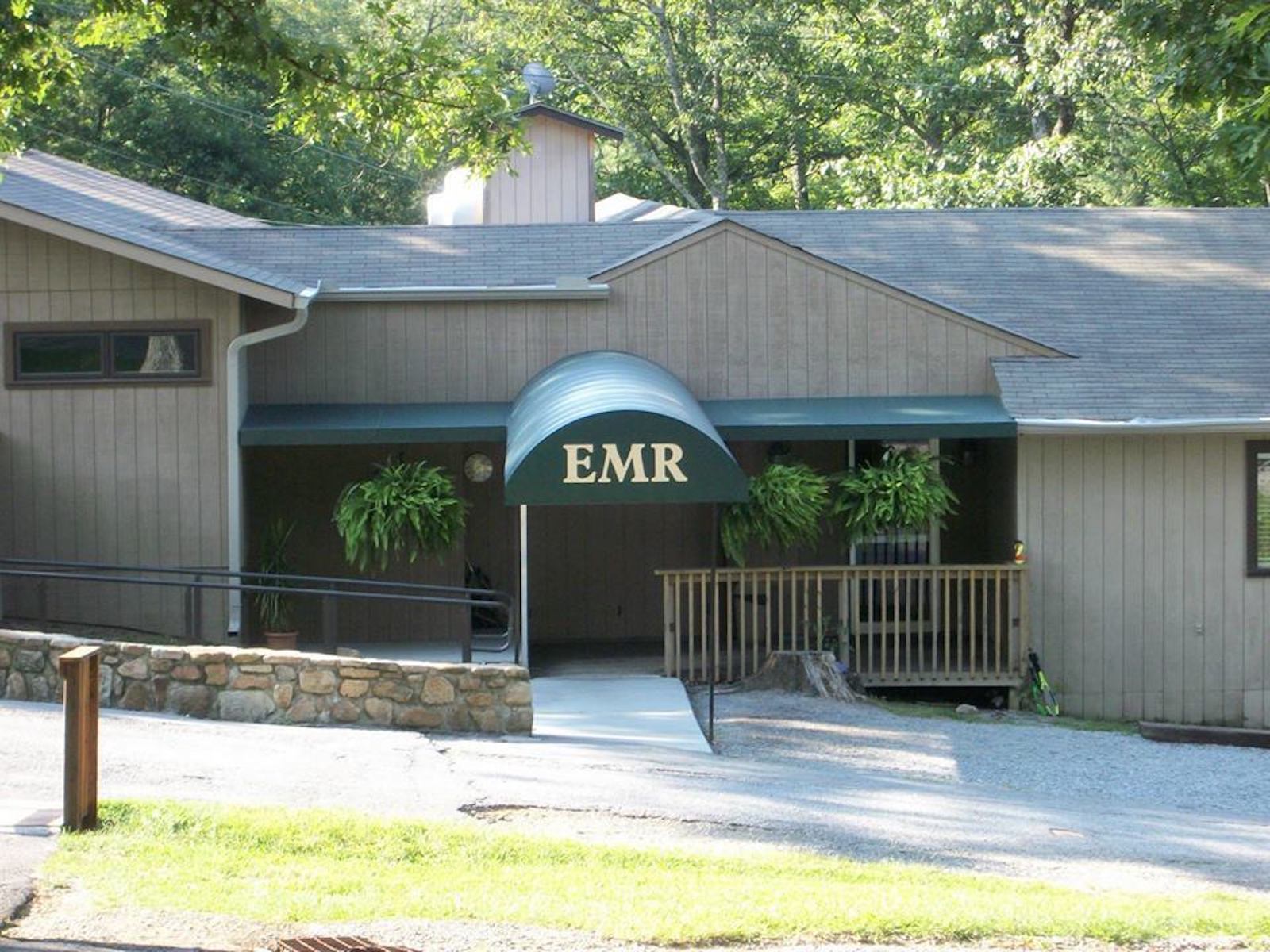
English Mountain Recovery
VerifiedPigeon Forge, Tennessee
Treatment Center
A private residential treatment facility located in East Tennessee's Smoky Mountains on 27-acres. They offer a 30-, 60 or 90-Day gender-specific treatment.
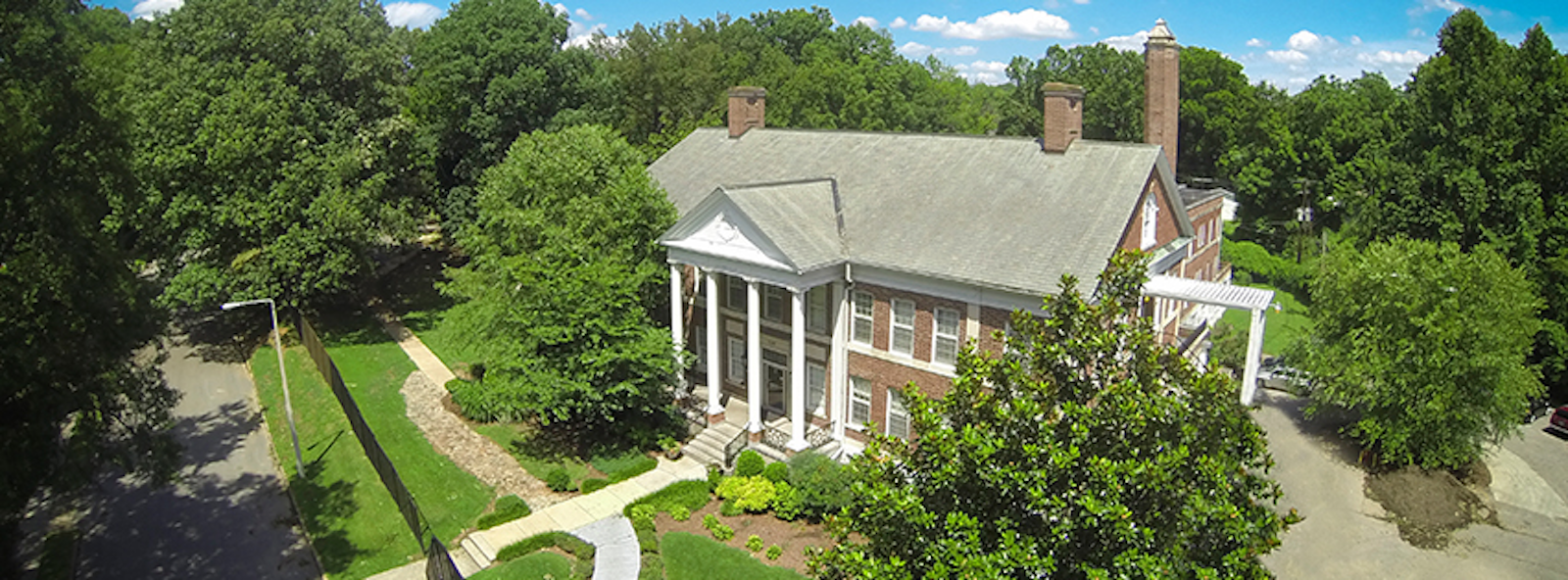
Memphis, Tennessee
Treatment Center
La Paloma Treatment Center in Memphis is a treatment facility and long-term rehab for men and women. The facility accepts clients on opioid medication.
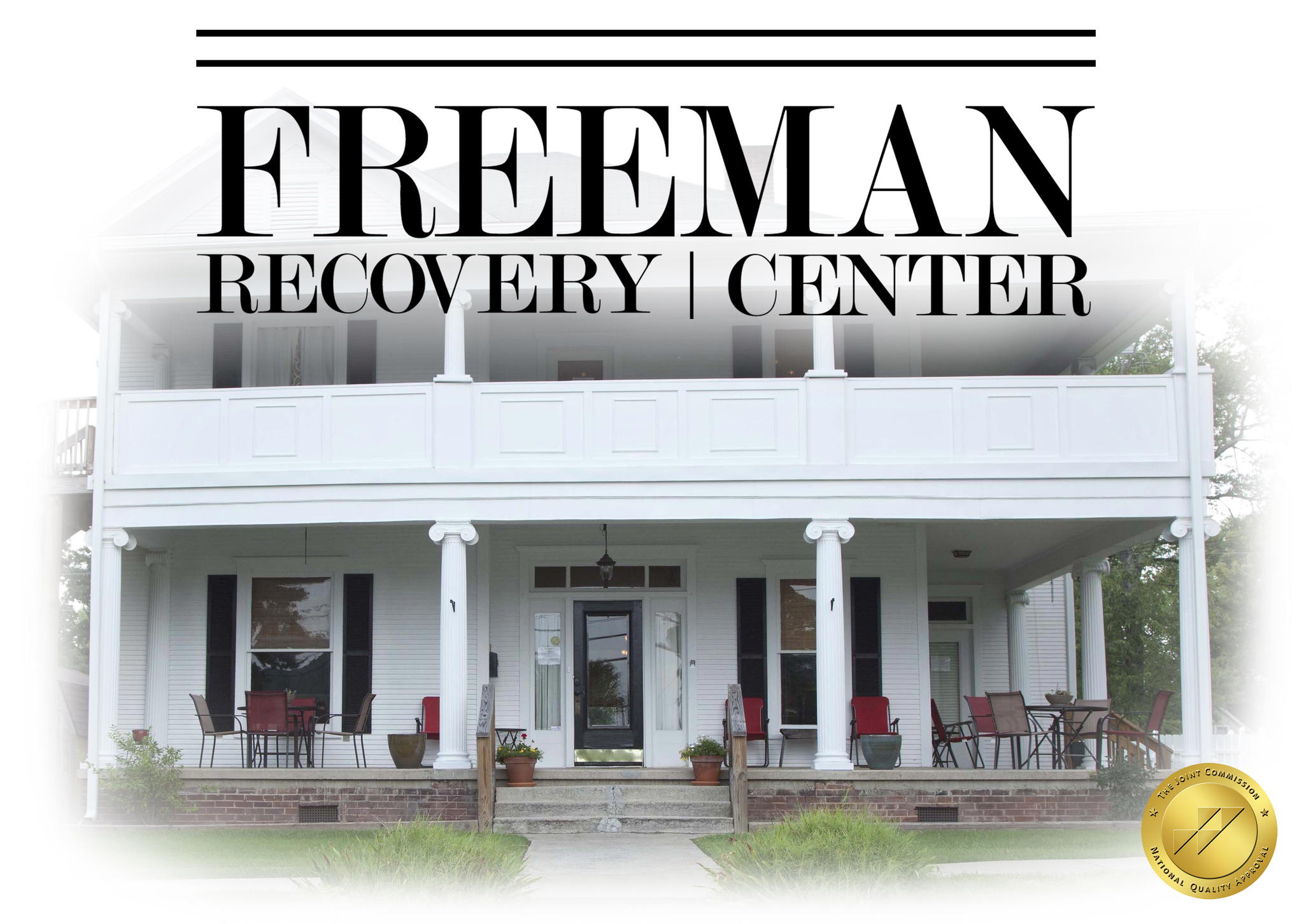
Dickson, Tennessee
24 bedsTreatment Center
Freeman Recovery Center is located outside of Nashville, TN and has become a nationally recognized brand for it's intimate setting that allows for a client-to-staff ratio for highly individualized care.
Chattanooga, Tennessee
$$$$Outpatient RehabOpioid Treatment Program
Volunteer Comp Treatment Center in Chattanooga is a detox clinic and opioid treatment program for methadone and buprenorphine clients. This treatment provider is listed as a SAMHSA-Certified Opioid Treatment Program. The facility accepts pregnant and postpartum women.
Memphis, Tennessee
Outpatient Rehab
Chosen Vessel Ministries provides IOP treatment in Tennessee. The program accepts various payment options including self-pay.
Memphis, Tennessee
Treatment Center
Grace House of Memphis is a women-only, long-term residential and outpatient substance use treatment program serving women aged 18 and over in Memphis, Tennessee. Founded in 1976 by Pat Stokes, it treats alcohol and drug use together with co-occurring mental health conditions. Admission is available regardless of ability to pay, with state-financed assistance, a sliding fee scale, and payment assistance.
Brentwood, Tennessee
Treatment CenterDetox Clinic
Provive Wellness of Brentwood offers withdrawal management, residential treatment and intensive outpatient care for substance use and co-occurring mental health conditions, just south of Nashville. A separate intensive outpatient program runs for adolescents, and the clinical team includes a psychiatric mental health nurse practitioner and therapists specializing in trauma-informed work with young adults. Provive operates a fixed fee schedule with sliding scales for eligible clients and offers financial aid to uninsured clients who cannot meet treatment costs directly; private and military insurance and self-pay are accepted.
Columbia, Tennessee
Outpatient RehabDetox Clinic
Apex Recovery provides residential, intensive outpatient and outpatient treatment for substance use disorders in Columbia, Tennessee. The program serves adults and young adults, including veterans and people with co-occurring mental health conditions, and offers cognitive behavioral therapy, motivational interviewing and trauma-focused counseling. Medication for opioid use disorder is available, including buprenorphine.
Memphis, Tennessee
Treatment Center
CMI Heathcare Services provides residential treatment in Tennessee. Serves adults. Offers MAT programming. The program accepts various payment options including self-pay.
Memphis, Tennessee
Treatment CenterOutpatient RehabDetox Clinic
CAAP Inc (Cocaine and Alcohol Awareness Program) provides residential and outpatient behavioral health services in Memphis, Tennessee, specializing in co-occurring substance use and mental health disorders for individuals who cannot afford premium care. The program offers residential treatment, outpatient services, and a dedicated Homeless Veterans Housing Program, along with DUI services and Tennessee Recovery Navigator support. CAAP accepts private insurance, military insurance, and state-financed health plans. Programs also include Uptown Manor Apartments, CAAP Place of Hope, and the Neighborhood Stabilization Program.
Memphis, Tennessee
Treatment CenterTeen Rehab Program
Memphis Recovery Centers has worked to help people conquer addiction in Memphis since 1970, and is a non-profit — which it says allows it to keep overheads down and charge reasonable rates. It provides residential treatment for adults and a separate residential program for adolescents aged 13 to 17, together with dual-diagnosis and trauma therapy for people whose substance use sits alongside a mental health condition, and treats spiritual, physical, emotional, social and occupational wellbeing as part of the same course of care. Payment can be made through Medicare, private or military insurance, or state funding.
Jackson, Tennessee
Treatment CenterOutpatient Rehab
A Mothers Love provides residential and IOP treatment in Tennessee. The program accepts various payment options including self-pay.
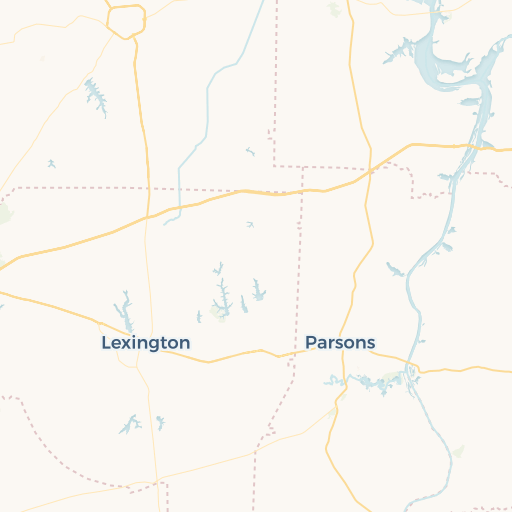
Union City, Tennessee
Counseling ServiceOutpatient Rehab
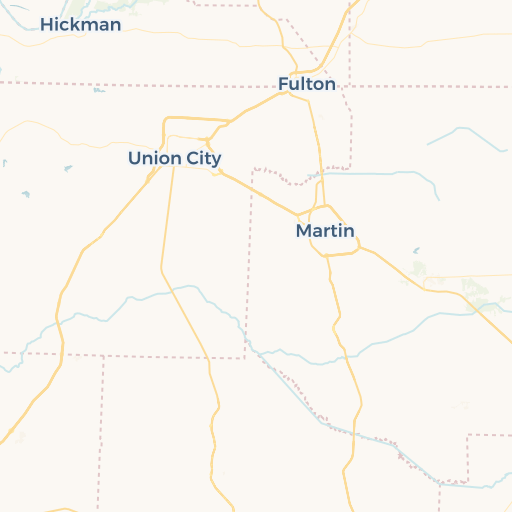
Priority Health and Addiction Medicine at 1117 South Miles Avenue, Suite 4 in Union City combines addiction medicine with primary care, and Karen Hanks, MD leads the team providing outpatient medication-assisted treatment to adults in and around Union City. Treatment pairs FDA-approved medication that reduces cravings and withdrawal with therapy that supports longer-term recovery, and the practice treats the full spectrum of substance use disorders including alcohol dependence and opioid addiction on an outpatient basis rather than requiring an inpatient stay. Medicaid and Medicare are both accepted, along with private insurance, military insurance and self-payment, and new appointments can be requested online.
Memphis, Tennessee
Outpatient Rehab
Innovative Counseling and Consulting is an outpatient behavioral health provider in Memphis, Tennessee, treating substance use, mental health and co-occurring disorders in adults and adolescents. Services include adult and adolescent counseling, community acclimation support and medication-assisted treatment, with a second location in Somerville. The agency is funded in part through a grant contract with the Tennessee Department of Mental Health and Substance Abuse Services.
Memphis, Tennessee
Outpatient RehabDetox Clinic
Customized Medical Needs in Memphis, Tennessee provides inpatient and intensive outpatient substance use treatment, with detoxification services. The program serves adults, veterans, and military members. Customized Medical Needs accepts Medicaid, Medicare, and private insurance including Beacon Health Options and GEHA.
Own or manage a facility?
Add your location to ChooseHelp
Reach people actively searching for treatment. One flat-fee Sponsored Listing — never per-call, per-lead, or per-admission fees.
Outpatient & sober living $49/mo · Residential $99/mo
Billed monthly · cancel anytime
Paid listings are always labeled as advertising — editorial reviews stay independent.