Keyword
Teenage Substance Abuse
29 articles · newest and most helpful first

Adolescent Mental Health – When to Seek Professional Help
How can you differentiate between normal adolescent behaviors and those that indicate a more serious problem? Here are some guidelines from the American Academy of Child and Adolescent Psychiatry on when to seek help and what warning signs to be on the lookout for.

For Teens That Want to Quit Marijuana – 10 Situations That Lead to Relapse and 5 Ways to Overcome Cravings
If you prepare yourself for high-risk situations and learn strategies to prevent relapse you have a great chance of being able to quit on your own – learn how to succeed here.

16-Point Safety Checklist before Sending Your Teen to Residential Treatment
Considering residential rehab treatment for your teenager? First read this warning-sign checklist to spot and avoid dangerous or ineffective programs.

5 Reasons Why Teens Abuse Drugs and Alcohol. Understand the Motivation So You Can Stop It.
The 5 most common reasons why adolescents use drugs or alcohol - Until you understand the motivation behind the drug use it’s hard to respond appropriately.

Adolescent Marijuana Addiction Self Test
Smoke marijuana? Got 2 minutes to spare for a self test? If so, answer yes or no to 12 questions to make sure you don’t have a marijuana problem.

Prevent Teen Drug and Alcohol Use – Enforce Constructive Time
The more time your teen has for 'hanging out', the greater the odds of trouble. Head-off problems by swapping out some of that free time for time spent engaged in constructive activities. Here are some ideas to get you started.

Teen Conduct Disorder – Understanding Abnormally Bad Behavior
Having serious trouble with a teen son or daughter that includes heavy drinking or drug use and problems with violence, bullying or law breaking, extreme deceit and a disregard for the rules of the house and even the rules of society? If yes, you may have a child with conduct disorder and the drinking and drug use may be just a symptom of this treatable mental illness.

If Your Teen Drinks – How to Judge the Severity of the Problem
So you catch your teen son or daughter drinking and you learn that it’s been going on for a while. What do you do now? Do they need treatment or just punishment? Is it normal? Is it a big deal?!! Get started on answering these questions by comparing your teen’s age and drinking habits to the NIAAA criteria for low, moderate and high risk teen drinking.
8 Secrets to Loving and Raising a Teen with Addiction
A little tension is normal in the parent-teen relationship, but when your teen suffers from addiction and loses control over their actions, relations in the family can get pretty damaged in a hurry. Here are 8 parenting tips on raising a child with addiction to happy and healthy adulthood while maintaining some peace in the household.

Understanding Risk and Protective Factors – Things That Increase or Decrease the Risks of Teen Drug Use
Although there are no guarantees, teens who grow up exposed to a significant number of protective factors (such as having loving and effective parents, doing well in school etc.) are far less likely to use drugs than teens who grow up exposed to many risk factors (early aggression, having peers who use drugs or alcohol, having a parent with a substance abuse problem or mental illness and others). Fortunately, parents can do a lot to increase the protective factors while decreasing the risk factors!
Inhalant Addiction - Symptoms, Risks and Treatments
Inhalant addiction is a recognized disorder by the American Psychiatric Association, and the abuse of inhalants can lead to serious health consequences and death.

Keeping Teens Safe from Incredibly Destructive and Addictive Crystal Meth
Nothing beats the devastation of a crystal meth addiction, and parents need to keep kids safe from this very addictive menace. Here's what to look for; and if you see any warning signs of meth use, don't wait for tomorrow...take action TODAY.

A Mother's Prayer. From Sadness, for Love.
We will for always remember our grown children as the innocent laughing souls they were, and it hurts us deeply when we see them in pain. Pray for love; pray that they feel God's love.

Why Therapeutic Wilderness Programs for Troubled Teens Work
You can't manipulate nature, but if you don't respect her, there are consequences. Wilderness programs can teach troubled teens to be accountable, responsible and self determined.

The Risks of Teen Drug Use - It's About More Than Addiction
With addiction and drug abuse teens are at risk for a host of peripheral social problems, including suicide, violence, mental health difficulties and poor academic performance. Get educated about the risks facing your teen, and learn what really helps if there is a problem.

Teenage Addiction: Why Teens Rarely Admit to a Problem
Don’t wait for your son or daughter to come to their senses - teens almost never self-recognize addiction and they rarely ask for help. Learn why they can’t see the truth and why this matters when picking treatment.

Teen Substance Abuse – How The Seven Challenges Program Encourages Authentic Change
You can't force authentic change and you can't control a person's true thoughts and motivations...so maybe you shouldn't even try. Does your adolescent son or daughter need substance abuse treatment or treatment for co-occurring disorders? If so, you may want to look at treatment programs or counselors using the Seven Challenges Program, an evidence based treatment program which encourages honest communication to foster an authentic motivation for change. Read on to learn more about this clinically tested teen program which is now in use in hundreds of facilities nationwide.

Adolescent Treatment – A Guide to Finding Teen-Focused Care
What do the experts suggest? Learn about the ideal values that drive effective adolescent treatment (teens aren’t just mini-adults) and learn the essential questions you need to ask to get the right care for your son or daughter.

The Importance of Teen Alcohol Use Prevention (A Few Beers DO Matter!)
While you probably don’t want to see your teen son or daughter drinking alcohol, you may not worry about a few beers as much as you’d worry if you saw evidence of marijuana or even harder drug use. The true risks of those few drinks, however, extends far beyond the risks of alcohol alone – and teens that start drinking at a young age are much more likely to develop alcohol dependency issues as adults. Read on to learn more what increased dangers face those teens who drink alcohol.
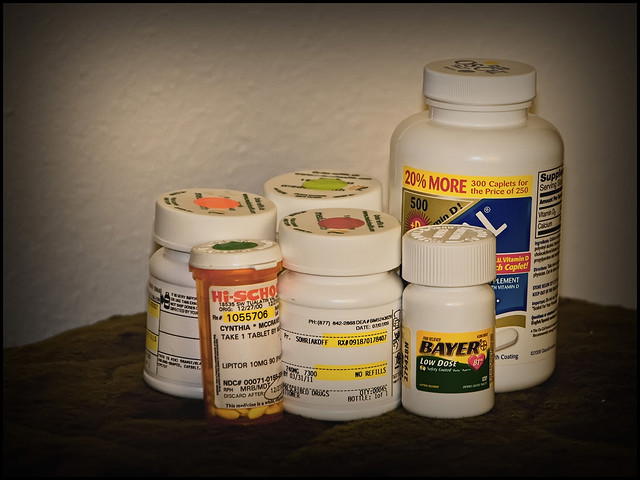
Preventing Teen Prescription Drug Abuse and Addiction
While your teen son or daughter might never consider buying heroin or cocaine from a shady street dealer, they’re more likely than you might think to abuse a pretty similar type of drug, and if they’re like most teens abusing prescription medications – they don’t even have to pay for it…getting high is as easy as opening the family medicine cabinet.

Prevent Underage Drinking – How to Send a Clear Message on Alcohol to Your Children
Parents who send a clear message to their kids about the unacceptability of underage drinking have kids that are less likely to get into trouble with alcohol – but sending a clear message about drinking doesn’t begin and end with a single conversation, rather it takes both word and deed and particularly, the setting of a positive example in your own life. Want your kids to steer clear of underage drinking? Here are 7 ways to send the right message in your home.
Parents - Prevent Drinking to Prevent Developmental Brain Damage
Adolescents are burdened with a still developing brain that’s uniquely at risk to alcohol overexposure - but that still developing brain is also very attracted to experimentation and thrill seeking, it isn’t as affected by the negatives of alcohol (teens don’t get as sleepy when drinking or as hung over after the fact) and it isn’t as capable of higher order decision making. All in all, it’s a bad combination and because of this, parental prevention efforts are very important. Parents who can prevent underage alcohol abuse can prevent developmental brain damage.