Parents - Prevent Drinking to Prevent Developmental Brain Damage
Adolescents are burdened with a still developing brain that’s uniquely at risk to alcohol overexposure - but that still developing brain is also very attracted to experimentation and thrill seeking, it isn’t as affected by the negatives of alcohol (teens don’t get as sleepy when drinking or as hung over after the fact) and it isn’t as capable of higher order decision making. All in all, it’s a bad combination and because of this, parental prevention efforts are very important. Parents who can prevent underage alcohol abuse can prevent developmental brain damage.

While it may not seem like you have much control over the behaviors of your teen children, research shows that parents have a lot more influence than they realize and that what parents say and do has a powerful influence over a teen’s likelihood to get involved with drugs of alcohol.
And this is important, because not only are teens that start drinking at a younger age far more likely to develop later in like alcohol problems – alcohol is also uniquely damaging to the still developing teen mind – and heavy drinking in adolescence can lead to permanent brain damage that can affect quality of life and cognitive abilities long after teen partying comes to an end.
Teens who start drinking before the age of 15 are 4 times more likely to become alcohol dependent at some point in life.1
Unfortunately, although the teen brain is at greater risk to alcohol caused damage, because the brain is still in development, teens are also uniquely attracted to what alcohol has to offer.
Read on to learn more about why adolescent brain development increases the odds of binge drinking and what consequences heavy drinking during adolescence can have on eventual brain development.
How Brain Development Increases the Risks of Heavy Drinking
The Adolescent Brain: Increased Risk of Brain Damage and Developmental Changes that Support Heavy Drinking - A Bad Combination
Teens don’t always make smart choices, and in some cases, like when making choices about drinking, incomplete brain development plays a role in influencing behaviors.For example:
The limbic system in the brain (responsible for regulating emotions and pleasure) develops faster than the frontal lobes, which handle higher order tasks like reasoning, decision making and impulse control. This varying rate of development increases an adolescent’s desire for novelty and excitement as it also decreases her aversion to risk and her ability to gauge the likely consequences of a given action.
Alcohol affects teen brains differently. Teens that binge drinks are less likely to feel drowsy and typically experience less loss of coordination than adult drinkers. Significantly, adolescents also typically experience milder hangovers than adult drinkers. Getting sleepy and worrying about feeling hung-over the next day are 2 factors that reduce the amount an adult may choose to drink in a session which may not have much influence in reducing an adolescent’s alcohol consumption.
Adolescents are also more likely to perceive a benefit in how alcohol affects social interactions (social lubrication) 2
The Consequences of Heavy Drinking on Brain Development
The adolescent years are a time of significant brain development and social and heavy alcohol use during this vital developmental stage can lead to enduring cognitive consequences, for example:
In one study of alcohol dependent 15 and 16 year olds, teens who had become addicted to alcohol performed significantly worse on tests that measured short term memory (they were less able to remember a serious of words or shapes 10 minutes after being shown a list or picture and asked to remember as many as possible)
Animal studies show that heavy alcohol exposure in adolescence can lead to memory problems that persist into adulthood, long after any drinking stops.
Brain imagery studies on alcohol dependent 17 year olds show that heavy alcohol use during this developmental stage influences brain growth in ways that can be seen visually. In brain scans, the hippocampuses of alcohol dependent teens were noticeably smaller than those of teens who did not abuse alcohol. The hippocampus is a primary center for memory formation and retention in the brain.3
Prevention Efforts Are Vital
Teens have it rough. Although their brains are hard wired to seek out excitement and novelty and although they are uniquely able to enjoy the pleasures of alcohol without experiencing some of the adverse effects, their brains are also still in such rapid development that the frequent use of alcohol can cause some lasting memory and cognitive impairments.
So it really comes down to parents - and to a lesser extent to schools and to the community as a whole. We cannot expect adolescents to make the right choices (their brains will hardly let them) so we must guide them to better decisions and monitor their activities to such an extent that we limit the repercussions of their harmful choices.
References
Editor’s picks

11 Reasons Why Teens Abuse Prescription Opiates – And How Parents Can Prevent It
From a study of thousands of adolescent opiate users we learn the 11 most common reasons why teens abuse pain pills. Ultimately it all comes down to easy availability and misperceptions about consequences and safety.

Social Norms Marketing for Alcohol Abuse Prevention
Heavy drinkers tend to think that other people drink more than they do (myth). If people with such misperceptions get accurate information about how much others in their community are drinking, they are more likely to reduce their overall consumption. Giving people who have incorrect beliefs about a negative behavior accurate information is called social norms marketing – and it is a cheap and effective way to reduce negative behaviors, like binge drinking, across a large population.

Understanding Risk and Protective Factors – Things That Increase or Decrease the Risks of Teen Drug Use
Although there are no guarantees, teens who grow up exposed to a significant number of protective factors (such as having loving and effective parents, doing well in school etc.) are far less likely to use drugs than teens who grow up exposed to many risk factors (early aggression, having peers who use drugs or alcohol, having a parent with a substance abuse problem or mental illness and others). Fortunately, parents can do a lot to increase the protective factors while decreasing the risk factors!

Parenting Styles that Prevent Drug and Alcohol Experimentation
Although as the parent of a teen you may wonder how much influence you have, research shows pretty clearly that what you do (or don’t do) has a huge impact on your teen’s health, happiness, and even choices. Learn which parenting styles reduce the odds of drug and alcohol abuse and which styles increase the risks – and learn how parental monitoring can keep your son or daughter safe from the worst of the dangers.
Wet Brain – Alcoholism and Wernicke-Korsakoff Syndrome
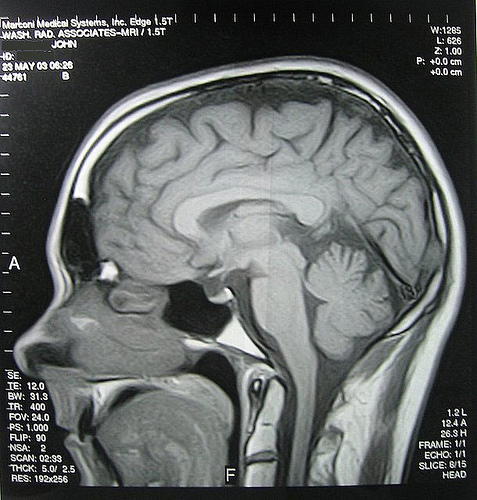
Long years of heavy drinking may lead to a thiamine deficiency, and a syndrome known as Wernicke-Korsakoff (wet brain). Much of the brain damage experienced is unfortunately irreversible.