In UK, Obesity to Become Leading Cause of Cirrhosis within 20 Years
Obesity soon to cause more liver cirrhosis than alcohol abuse in the UK

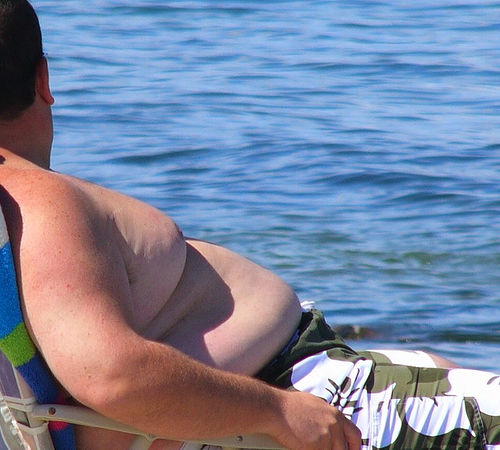
Dr. Christopher Hawkey, the president of the British Society of Gastroenterology (BSG) has called obesity England’s gravest health threat and said that within 20 years, obesity will cause more cases of cirrhosis than alcohol abuse.
Obesity is already the leading cause of less severe forms of liver disease, and there has been a 500% increase in cirrhosis cases in those aged 35 and 55 over the past ten years
Hawkey said obesity on a national scale “is almost certainly going to reverse the rise in life expectancy – so we start living shorter lives than before.”
Hawkey made his comments after a recent BSG poll showed that only 1 out of 6 people knew that excess weight gain could lead to liver disease or cancer.
More like this
Alcoholic Cirrhosis Kills 22 Year Old Londoner Who Was Denied a Liver Transplant
Britons are looking hard at the problems of teen drinking after the death of 22 year old Gary Reinbach from complications related to advanced cirrhosis of the liver.

Overweight Drinkers at Increased Risk of Liver Damage
Heavy drinking harms the liver – as does being obese – but when obese people drink heavily, the damage to the liver increases exponentially.

Yoyo Dieting Leads to Drug Withdrawal-Like Stress Response
Researchers at the Scripps Institute say that not only does Yoyo dieting fail to induce lasting weight loss, it can actually trigger a drug withdrawal-like stress response in the brain that can lead to overeating and weight gain.

Rats Fed a High Fat Diet Develop a Tolerance to the Pleasures of Eating
Rats fed an ‘all you can eat’ buffet diet of cheesecake and bacon may provide answers to questions about the root causes of overeating behaviors and obesity.

Older Women Continue to Struggle with Disordered Eating and Body Image Problems
Although we may think eating disorders are a young person’s problem, new research out of The University of North Carolina demonstrates that even after 50, women are still very prone to disordered eating and body image problems.