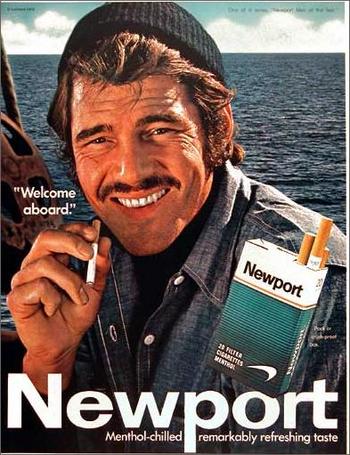
Congress Set to Ban Flavored Cigarettes - Big Tobacco Shows Clout and Holds Onto Menthol
Tobacco activists are critical of legislation that will ban flavored tobacco - but exempts the biggest selling flavored tobacco product from the ban

Legislation is set to pass through Congress that would put certain tobacco products under the purview of the FDA for the first time; and a part of this proposed bill will grant the FDA the right to ban the sale of flavored cigarettes.
Mocha, clove, cinnamon etc. – flavorings that activists say attract young smokers will be pulled from shelves should the bill pass, as it is expected to do, but the most heavily used flavoring by far, menthol, is off limits for the moment - not included in a bill as a practical measure.
Menthol is a vital chunk of a shrinking American tobacco market, and tobacco companies were not prepared to give up a quarter of sales without a hard and expensive fight. A fight Lawmakers chose to avoid – for now.
Acknowledging the political realities surrounding the bill, Senator Judd Greg of New Hampshire said, “I would have been in favor of banning menthol, but as a practical matter that simply wasn’t doable.”
Menthol is thought to increase the addictive properties of cigarettes, making an already lethal product somewhat more so. African American smokers account for 75% of all menthol sales in America, and show a 50% higher lung cancer incidence in part because of this preference for menthol.
Supporters of the bill say explain that it's better to get something passed now and to revisit the issue of menthol down the road, rather than have an ideal piece of legislation bogged down for years.
Tobacco companies retailed 17 billion dollars worth of menthol cigarettes last year. 17 billion dollars that earns them a lot of congressional clout – even over matters of public health legislation
More like this
Final Push For Mental-Health Bill
In a historic move, the US Congress passed a legislation, last week, that would require health insurers and businesses with over 50 employees to provide mental-health coverage on par with physical illnesses.

Lowered Drinking Age Increases Rates of Alcoholism and Drug Abuse
People who came of age in states with a drinking age of 18 are far more likely to have current day problems with alcohol and drug addiction than people who grew up in states that enforced a legal minimum drinking age of 21.

Congress Says No Needle Exchanges Within 1000 feet of Schools, Parks and Libraries
Congress is set to restore funding to needle exchange programs so long as they are located at least 1000 feet from any areas where children might congregate (parks, schools, libraries, colleges etc.). Workers at needle exchange clinics say that the 1000 foot rule makes getting funding impossible.
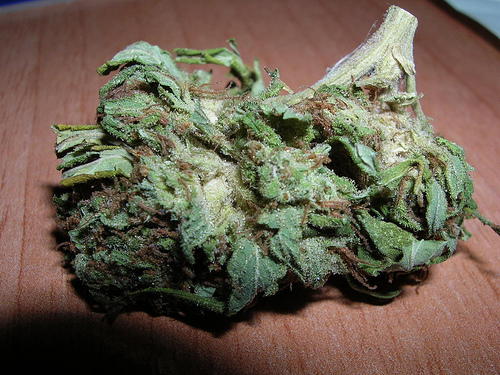
NY Passes Medical Marijuana Bill - Senate Approval Still Needed
Pending State Senate approval, New Yorkers prescribed marijuana for pain relief will be free from prosecution.

Retroactive Changes in Crack Cocaine Sentencing Laws Mean Early Release for 12,000 Federal Inmates
Changes to sentencing laws will effect 1 in 17 inmates in the entire federal corrections system.