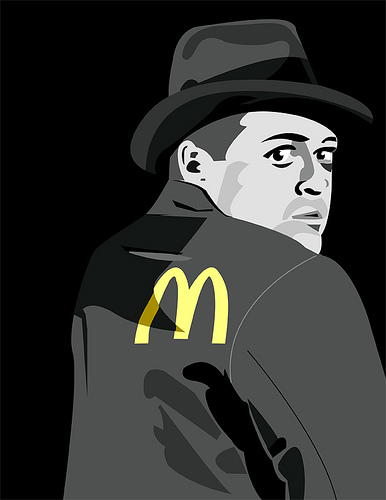
Food Placements in Movies Help Fuel Childhood Obesity Epidemic
Researchers say that food product placements in movies tend to promote high calorie and low nutrient foods and that kids and teens may be unduly influenced by these placements.

Lisa Sutherland, Ph.D. of Dartmouth Medical School led a team of researchers in investigating how movie food placements compared to television food advertisements aimed at children and in studying the likely impact of these placements.
Sutherland explained the need for such research by stating that the diet consumed by American children has been worsening for 20 years, saying, "The current situation in the United States is very serious in terms of the health of our children, and we have to look seriously at all of the factors that may be contributing to it, including the impact of product placements in movies."
The problem:
- 1% of children consume a daily diet that conforms to the recommendations in the USDA food pyramid
- Less than 20% of teens eat enough vegetables daily, and more than 80% consume too much fat each day
- Children aged 6 to 11 are twice as obese as they were 20 years ago, and adolescents aged 12 to 19 are three times as obese as they were 2 decades past
Sutherland found that both TV food ads and movie food placements aimed at children were primarily for high calorie foods, but that TV ads tended to be for sugary snacks and cereals, and movie placements were often for sugary drinks, such as soda pop.
Sutherland argues that based on previous study evidence that shows that TV ads do influence the eating preferences of children and teens that movie food placements likely do likewise. Additionally, studies done on smoking and alcohol use show clearly that young people who view such behaviors in film are more likely to try these smoking and drinking in real life.
Although many companies have pledged to restrict food advertising aimed at children, children and teens are still exposed to considerable ‘junk’ food advertising. In film the 6 companies that commission a whopping 45% of all food placements are:
- PepsiCo
- Coca-Cola
- Nestle USA
- McDonald's
- Dr. Pepper/Snapple Group
- Burger King.
The full results of the study can be read in the current edition of Pediatrics.
More like this

'Flat Tummy' Fury
At a time when there seems to be more of an emphasis on female empowerment than ever before, messages of shame related to body size still permeate our culture.

Older Women Continue to Struggle with Disordered Eating and Body Image Problems
Although we may think eating disorders are a young person’s problem, new research out of The University of North Carolina demonstrates that even after 50, women are still very prone to disordered eating and body image problems.

Anorexia Is the Most Dangerous Mental Illness – Anorexics Almost 6 Times More Likely to Die
After wading through study data on more than 17 000 people with eating disorders, researchers have determined that anorexia nervosa is the most lethal of all mental illness – by far.

Yoyo Dieting Leads to Drug Withdrawal-Like Stress Response
Researchers at the Scripps Institute say that not only does Yoyo dieting fail to induce lasting weight loss, it can actually trigger a drug withdrawal-like stress response in the brain that can lead to overeating and weight gain.
Scientists Identify Hormone that Makes Us Eat When We’re Already Full
If we all stopped eating once sated then none of us would become overweight. Unfortunately, many of us will continue to eat something tasty even after we’re full. Scientists think they’ve identified the hormone that makes us do this and have shown that if they blocked it – we probably wouldn’t overeat anymore.