Your Brain on Drugs? Irish Cocaine Researchers Say - It's Very Different
Irish researchers will reveal study data today that shows remarkable differences in the pre frontal cortexes of addicts and non addicts.

Fundamentally, we believe that addicts overcoming an addiction to cocaine, as for other drugs, must demonstrate will-power and determination – and conversely, that those addicts unable to quit somehow lack will-power.
Trinity College researchers in Ireland say differently, and will present data summarizing their research later today.
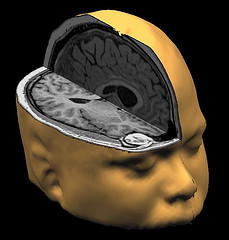
The Trinity scientists scanned the brains of cocaine addicts as they performed certain computer tasks, and observed significant differences in the activity level, and even of the structure, in the pre frontal cortexes of these addicts.
The pre frontal cortex serves as the brain's higher order thinking machine, and is responsible for impulse control, among myriad other things. It's our pre frontal cortex which grants us our humanity - and it's our pre frontal cortex which grants us will-power.
The Irish researchers, explaining the significant differences seen in the pre-frontal cortexes of cocaine addicts, cannot yet say whether the subjects were more susceptible to addiction due to this genetically altered brain structuring, or whether cocaine abuse was the cause of the alteration. They hypothesize the former, and suggest that people born with these unusual pre frontal cortexes may be more at risk to addiction and other forms of impulse control and impulsivity.
The scientists celebrate their findings as a leap forward in the knowledge cannon of cocaine addiction, and hope that their results may contribute to the development of effective pharmacological interventions for cocaine addiction treatment.
Traditional therapies use counseling models to help addicts overcome compulsions to use. The scientists suggest that these strategies alone may don’t offer addicts a great chance against relapse, and that these people really need medication and learned strategies to minimize temptation and exposure during early recovery.
Research leader Dr Hugh Garavan summarized with "This research helps us move away from thinking of drug dependence as a moral weakness and allows us to see it as more of a medical condition.
More like this

Promising Drug for Meth and Cocaine Addiction on the Fast Track to Approval
A promising new drug that seems to stop the cravings and euphoria of cocaine and meth is now on the FDA fast track to approval.

Drinking as a Teen Affects Decision Making Ability as an Adult
Early exposure to alcohol is one of the greatest predictors of later in life substance abuse. Researchers at the University of Washington think they know why - after investigating the issue using alcohol loving rats in an animal model decision making experiment.

Teens More Easily Addicted to Drugs - Say Harvard Researchers
Harvard researchers used animal model studies to learn more about how teens get addicted to drugs.

Finally Some Good News! Gene Linked to Increased Addiction Risk Also Linked to Extreme Longevity
Researchers say that people with the DRD4 7R gene are at an increased risk of ADHD and addiction but also more likely to live to extreme old age.

Smoking Cigarettes Increases Risk of Cocaine Addiction
Trying to quit cocaine? You might want to consider ditching cigarettes at the same time. New research suggests that nicotine amplifies cocaine’s effects and addictiveness…just remember not to use nicotine replacement products, such as nicotine gum or the patch, as these too increase cocaine’s effects.