How to Support Someone with a Family Member in Haiti
Many of us know someone deeply affected by the earthquake in Haiti. Even thousands of miles from the devastation, we can see the pain and worry in the faces of those we care about as they watch and wonder, or grieve, friends and family left behind in Port au Prince.

We cannot change the past, but we can offer our support to those that worry most fiercely, and in doing so we can help those we love make it through this difficult time.
How to Help
- Be there to listen – you don’t have to have answers, as long as you take the time to lend a sympathetic ear. You don’t have to cheer anyone up – just be there.
- Spend time with your loved one – you are a comfort with your presence, but also respect his or her sometimes need for space and privacy
- Be patient – during a period of great worry your loved one may display irritability, a lessening of intimacy, exhaustion, or psychosomatic illness as a reaction to the stress. Your extra understanding will be appreciated
- If possible, encourage and support healthy eating, sleep and exercise.
- Try to defray other life stresses from your loved one during this period
- Encourage your loved one to spend time away from computer or TV reports of Haiti – a constant vigilance only increases anxiety
- Understand that negative emotions are normal as a response to a disaster, but also take the time to learn the symptoms of PTSD and be ready to suggest an assessment of things don’t get better in time.
Editor’s picks
How Adverse Childhood Experiences Lead to Adult Addiction
Part 1 of a 2-part article on how childhood trauma leads to lifelong challenges – like addiction and other mental and behavioral health problems. Also, how to know if childhood trauma affects someone you love.
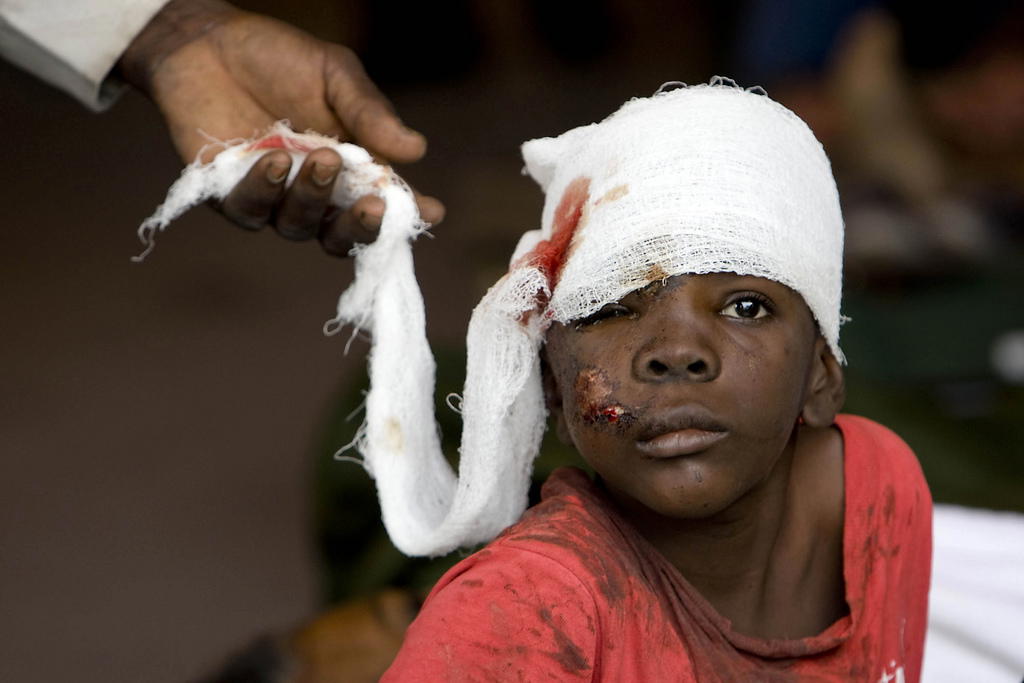
Helping Children Cope after a Disaster
A guide to how children feel and act after experiencing a disaster and what parents can do to minimize fear and other harms.
Dealing with Grief after a Disaster – The Risk of ‘Complicated Grief’
While few things hurt like the sudden loss of a loved one, grief is a necessary and ultimately healthy process. Unfortunately, people who lose family and friends to disasters may be at an increased risk of a disorder known as traumatic or complicated grief.
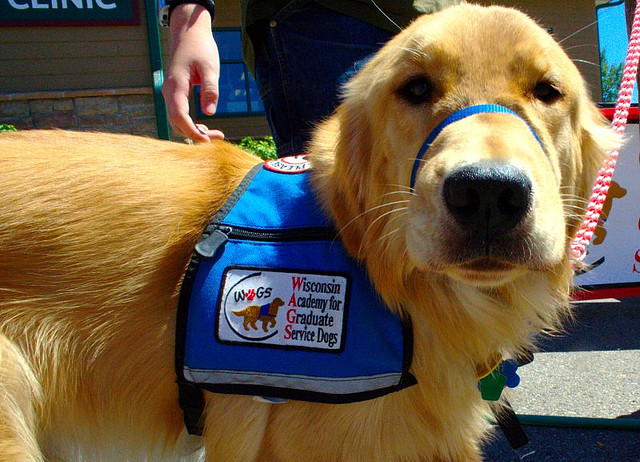
Trained Service Dogs Reduce PTSD Symptoms
Like seeing eye dogs but for those suffering from PTSD symptoms, service dogs are ever vigilant so you don’t have to be, they are trained to wake you from nightmares, block others from intruding into your personal space, watch your back and even give you a doggy hug during moments of intense anxiety. While there is little research on the relatively new idea of pairing those with PTSD with service dogs, those who are already benefiting from this canine companionship say it makes a world of difference – that it can be a literal lifesaver.
Worrying a Lot about the Earthquake in Haiti – Do You Have a Stress Disorder (PTSD)?
Although the closer you are and the more directly affected by a traumatic event the greater your risk of a stress disorder like post traumatic stress disorder (PTSD), people who witness very traumatic events can also experience stress disorders, as can people who only watch the events unfold on TV.