Dealing with Survivor Guilt
People who survived the earthquake in Haiti, whether in or out of Haiti, may be at risk of survivor guilt, which can be one symptom of a stress disorder.

People who have survived a very traumatic event when others did not may feel guilty for their survival and they may blame themselves for things they did or could have done differently in the past.
“A woman in Chicago blames herself for spending money on a car last year instead of saving towards her Haitian sister’s potential immigration.”
While some guilt about things left undid or unsaid is a normal part of the grieving experience, excessive survivor guilt can lead to feelings of depression or anxiety and it can also make people more reluctant to seek out help for the way they feel.
Treatment for Survival Guilt
If your feelings of guilt aren’t going away and are interfering with your quality of life, it’s important that you make contact with a mental health professional to discuss effective treatments that can help you get past the legacy of trauma.
Cognitive Behavioral Therapy (CBT) is commonly used to treat PTSD and survival guilt to help people change negative patterns of thinking that produce negative and hurtful moods and behaviors.
CBT can work quite quickly, it does not require of you to talk about your past or your subconscious dreams and it provides you with real world skills and techniques that you can practice in daily life to help you feel better.
Editor’s picks
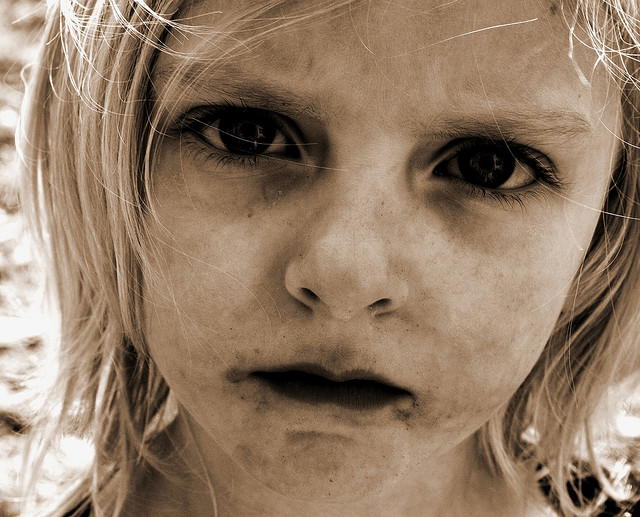
How Adverse Childhood Experiences Lead to Adult Addiction
Part 1 of a 2-part article on how childhood trauma leads to lifelong challenges – like addiction and other mental and behavioral health problems. Also, how to know if childhood trauma affects someone you love.
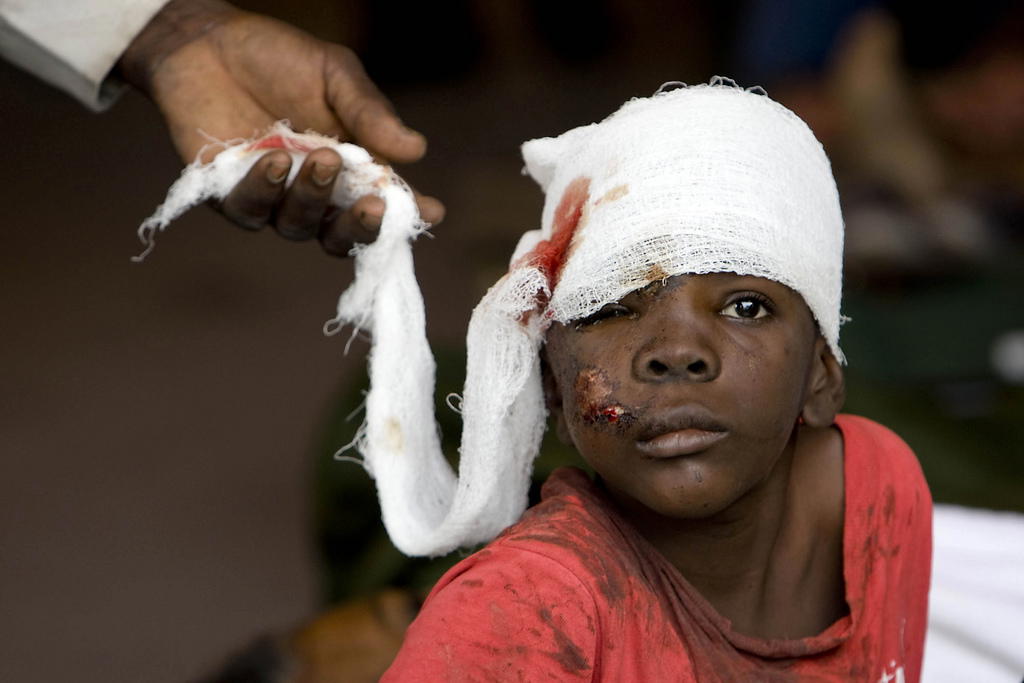
Helping Children Cope after a Disaster
A guide to how children feel and act after experiencing a disaster and what parents can do to minimize fear and other harms.
Dealing with Grief after a Disaster – The Risk of ‘Complicated Grief’
While few things hurt like the sudden loss of a loved one, grief is a necessary and ultimately healthy process. Unfortunately, people who lose family and friends to disasters may be at an increased risk of a disorder known as traumatic or complicated grief.
How to Support Someone with a Family Member in Haiti
Many of us know someone deeply affected by the earthquake in Haiti. Even thousands of miles from the devastation, we can see the pain and worry in the faces of those we care about as they watch and wonder, or grieve, friends and family left behind in Port au Prince.
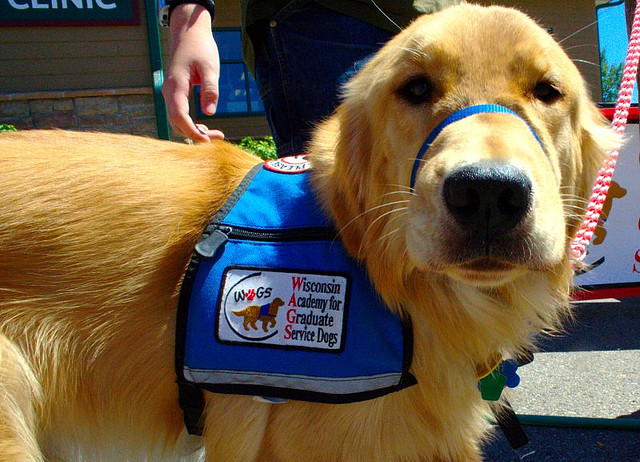
Trained Service Dogs Reduce PTSD Symptoms
Like seeing eye dogs but for those suffering from PTSD symptoms, service dogs are ever vigilant so you don’t have to be, they are trained to wake you from nightmares, block others from intruding into your personal space, watch your back and even give you a doggy hug during moments of intense anxiety. While there is little research on the relatively new idea of pairing those with PTSD with service dogs, those who are already benefiting from this canine companionship say it makes a world of difference – that it can be a literal lifesaver.