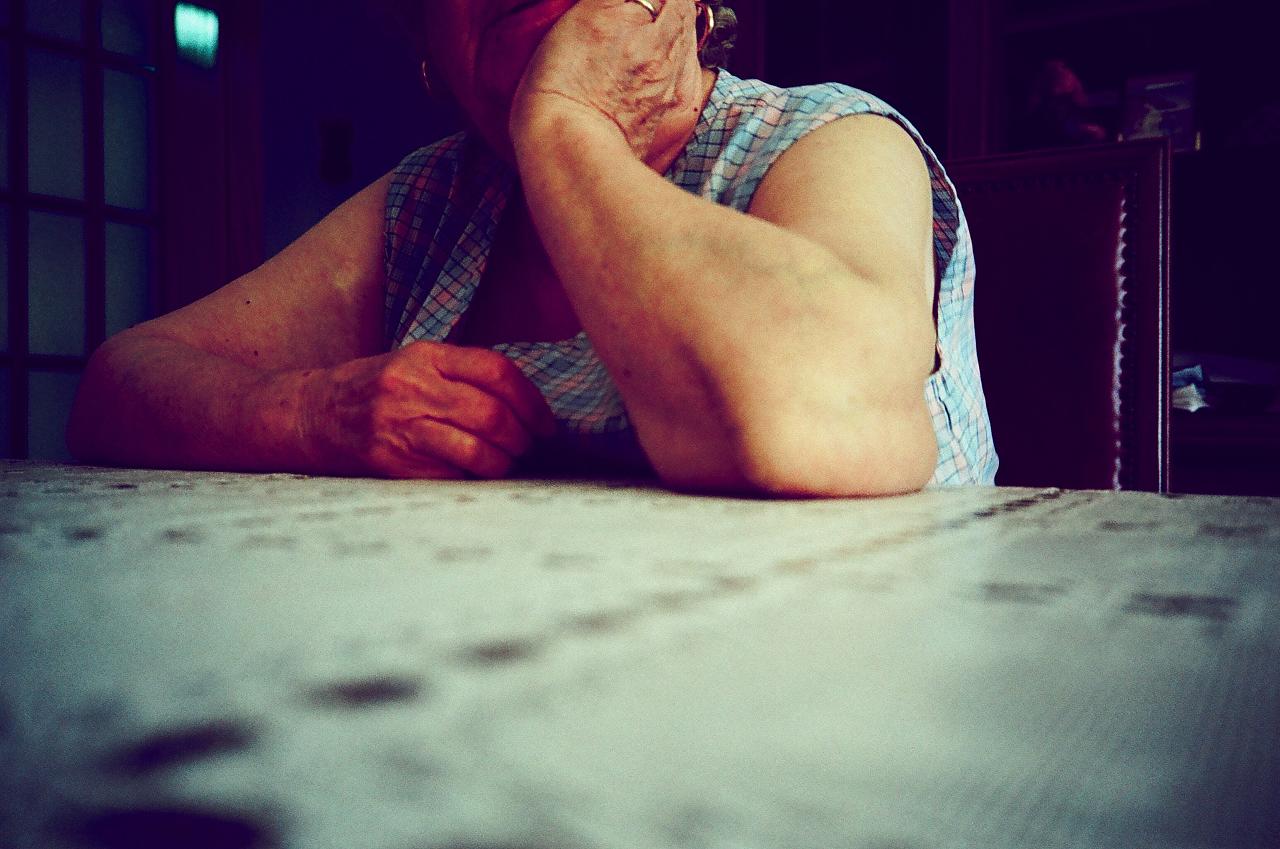
Alcohol Rehab for Older Women - It Is Never too Late
Seniors do very well in alcohol rehab, and since the risks of drinking increase as we age, older women who drink too much need help right now.

Alcohol Rehab for Older Women
Post menopausal women who abuse alcohol are at a much greater risk for certain cancers. Old age compounds the negative health effects of alcohol and as we age we lose our resiliency to the damage of abuse.
Health Risks
Older women who abuse alcohol:
- Are 50% more likely to get breast cancer
- Post-menopausal women who consume just
two drinks a day double their risk for endometrial cancer (the most
common cancer of the female reproductive system, accounting for 6% of
all cancer diagnoses in women)
- Are at greatly increased risks for liver, gastrointestinal and pancreatic cancers
Medication Interactions
As people age they often take more prescription medicines and so risk negative drug interactions and increasing intoxication or exacerbated physical damage. Age also leads to weakened bones and an increased risk for drunken injuries, most notably falls that lead to fractures or mobility-compromising injuries such as broken hips.
Why We So Rarely Intervene When Older Women Drink too Much…
It's not fair, but women suffer more from alcohol consumption than men, and the rate of increased damage just gets worse with age. Problematically, although relatively few men start drinking very late in life, a lot of women do - and they are also among the least likely group to ever seek help for their drinking.
We Don't Do Them A Favor By Letting Them Drink
We too often deny seniors treatment out of misguided feelings of compassion. In reality, by trying to spare the elderly the pain of treatment, we shorten their life, ruin their health, and greatly diminish their quality of life.
If mom or grandma is drinking too much, she deserves to be treated with respect and with humanity. The elderly, especially the young-old, should have decades to enjoy their freedom and their grandchildren - and through inaction we rob them of what they deserve.
Alcohol Rehab for Older Women
No reason, whether grief, illness or loneliness ever justifies alcohol abuse or dependency; and alcohol is not a healthy or effective solution to the problems of aging.
Older people may feel embarrassed to need treatment, and these feelings of shame too often deter them from getting help. Therefore, families need to act and get them into treatment - regardless of the age of onset.
The elderly do very well in addiction treatment and tend to comply with treatment directives better than younger participants.
Treatments Work
Older women with alcohol abuse problems or alcoholism can get effective treatment in any mixed-age alcohol treatment program. Though they do not require age-specific treatment, finding a treatment program targeted at older adults may help alleviate some embarrassment.
Editor’s picks

Late-Onset Alcoholism – Alcohol Rehab for Older Adult
Late-onset drinking: The causes and consequences, the differences between late-onset and early-onset drinking and the unique treatment needs of older alcoholics.
7 Characteristics of Effective Addiction Treatment for Older Adults and Seniors
It's a given that older adults and seniors do better in treatment programs with peers of a similar age, but what else do you need to look for to find a great addiction treatment program that's going to work well for an older adult or a senior?
10 Barriers to Addiction Treatment for Older Adults
Older adults find it difficult to access good, knowledgeable and age-appropriate treatment programs. Here are ten major reasons why seniors are under served in this area.

Substance Abuse & Addiction Risk Factors for Older Americans
When older Americans use drugs it’s often for the same reasons that teenagers do: to cope, out of curiosity, and from a lack of passions. Feelings of mortality, boredom and loneliness are common precursors.
It's Never Too Late for Help: Alcohol Abuse and The Elderly
Estimates put the number of alcohol dependent seniors in the millions, and only a fraction of these are getting the help they need. For a number of reasons, alcohol abuse in the elderly often goes undiagnosed; and too often, elderly alcoholics are never presented with the treatment options that could greatly improve their health and quality of life. Old age is not a valid reason for self destructive drinking, and families do not offer kindness to older relatives when they attempt to spare them the pain and difficulty of addictions treatment. The elderly deserve the same access to treatment as the rest of the population, and since alcohol is especially debilitating to older bodies, the time for any needed treatment is now.