
Hope for Families of Dual Diagnosis Addicts. Why Things Are Better Than They Seem!
Hope is vital. Without hope, family gives up and the dual diagnosis addict lose necessary and beneficial support. Learn why treatment works, and why you have to keep hope alive!

Family watching a loved one succumb to addiction often feels powerless to exert change, and when a psychiatric condition complicates things, family often feels helpless to make things better.
While it's true that a dual diagnosis complicates treatment, treatment still works and works quite well, and there is always hope for a better tomorrow.
It's not going to be easy, recovery from addiction never is, but it's possible, and it's the only acceptable outcome.
Hope
Hope is an intangible. Hope is hard to measure, hard to quantify, and hard to put into practice; yet without a belief that change is possible, family cannot do much of value.
It's natural to get discouraged after your efforts are rebuffed and you cannot seem to influence positive change. The things that work are not always intuitive nor what feel good, but if family does get informed, and does start to act in a concerted manner to exert change, the odds are high that a dual diagnosis addict will also take some steps towards recovery. And this is fantastic, because once walking that path, the road to health is open and wide, and there is a great chance that addiction can be overcome.
Here are three reasons why treatment works for dual diagnosis patients…three reasons why families need to keep hope alive.
1. Enforced sobriety
Many dual diagnosis patients take drugs or alcohol as a way of self medicating the negative symptoms of their psychiatric condition. Intoxication can bring a temporary reprieve from these negative symptoms, but over time, using drugs or alcohol always exacerbates the severity of the mental health challenge.
There is real therapeutic power in a period of enforced sobriety. A few weeks away from drug or alcohol abuse can improve mental health symptoms substantially, even without any of the additional and beneficial therapies of drug treatment. Sobriety reduces the assault on the chemicals of the mind, and allows for a natural healing of psychiatric symptoms.
Sobriety without therapy is probably not going to be enough, but it does make a real difference, and it is a real start to recovery.
2. Medication
Whether or not the dual diagnosis addict has been diagnosed and medicated while still using, the corresponding use of drugs or alcohol greatly reduces the efficacy of these otherwise very effective psychiatric medications.
Addicts using don’t often take medications on schedule and most of these drugs do not work well when taken with other intoxicants.
Getting into treatment, getting sober and receiving appropriate medication can greatly reduce symptoms severity, and can get the dual diagnosis addict feeling better and thinking more clearly.
With a reduction in symptoms severity, the addict in recovery can participate more intensely in the recovery process, can take ownership over the process, and can experience in part what getting sober and getting healthy feels like.
Getting sober and getting medicated can get the addict in recovery feeling so much better that they once again want sobriety as a lifestyle, and have them once again hopeful for a life free from the pains of abuse, and the clouding of mental illness.
3. Inspiration from Others
Recovery at its best doesn’t happen alone.
Dual diagnosis addicts are often trapped within a web of
hopelessness and irresponsibility, and without transitioning to a belief in recovery
and an ownership over the process, sustained betterment is unlikely.
A dual diagnosis is tough, and it's unfortunate that anyone
must endure the trial-but equally-there is no point in wishing away what life
brings. Recovery is possible.
Recovering in a group with others also facing similar life challenges can inspire, and the authentic inspiration of witnessing other dual diagnosis addicts get better is not easily mimicked outside of the group recovery environment.
You can’t say it's impossible when you watch someone else that you know suffers as you do get better. You can’t say you can’t do it when others do.
A period in a residential rehab brings many things to the table, and sobriety and professional therapy (medication) help greatly, but unless that recovering addict can be made to believe in the possibility of a life without abuse, and believe that they must ultimately choose to participate in this recovery, all else is irrelevant. Group therapy in rehab brings the hope towards recovery, hope that is so desperately needed.
Recovery and Hope
No one says it's going to be easy and no says it's fair either – but recovery is possible. Keep hope alive, believe that it is possible (it is) and work towards getting the dual diagnosis addict into a program where they will get sober, get medicated; and hopefully, get inspired.
Family can do a lot, and they can take steps to get a loved one into appropriate treatment, but at the end of the day recovery happens from within, and without belief, determination and inspiration, recovery can’t hold.
Help them find the inspiration they need. Help them get into a group recovery environment.
Editor’s picks
Can You Have a Relative That Needs Treatment Committed?
When they are a danger to themselves or to others, can you have them committed? Will the state do what you cannot, and force someone in need of treatment to get help?

Post Traumatic Stress Disorder and Drug or Alcohol Abuse
PTSD and substance abuse go hand in hand, and since each condition exacerbates the severity of the other, alcohol or drugs are never a good idea. Get help at a facility that combines effective treatments for PTSD and substance abuse, and turn the corner to a brighter tomorrow.

Seasonal Alcoholism – The Link between Seasonal Affective Disorder and Substance Abuse
Don’t try chasing away those winter blahs with a few drinks to lift your spirits, you may be suffering from undiagnosed Seasonal Affective Disorder and by using alcohol as self medication you are greatly upping your risk of a substance abuse problem.

Elements of Effective Treatment for People with Co-Occurring Disorders
People with co-occurring disorders need treatment which integrates substance abuse and mental health therapies at the same time. Read on to learn more about 8 elements of effective co-occurring disorder treatment programs.
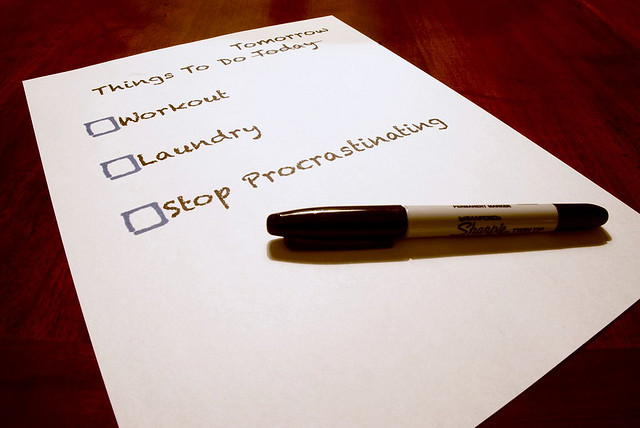
Keep Yourself Feeling Great! Maintain Wellness and Prevent Worsening Psychiatric or Emotional Symptoms with This Easy Exercise
Create wellness sheets and have a reminder of what you need to do every day, and once in a while, to keep yourself feeling good and to prevent worsening psychiatric or emotional symptoms.