
Family Support After Rehab. Keeping a Dual Diagnosis Addict Sober
Drug rehab is a great step forward, yet it's only the beginning of the recovery journey - and the months and years after rehab present some pretty significant challenges to the dual diagnosis addict in recovery. Family can help, but they have to be tough.

Family can do a lot, and after rehab (or other drug treatment) family support can make all the difference. Enabling never helps, and family needs to learn effective supportive strategies, strategies that ensure ownership over the recovery process remains firmly on the shoulders of the dual diagnosis addict. You can help, but you can’t do it for her!
Support, Not Enabling
There is a fine but certain line between family support and enabling behaviors, and when a loved one suffers a dual diagnosis (mental heath challenges with addiction) determining where support ends and enabling begins can seem an impossible task!
Dual diagnosis patients, especially those newly in recovery, do face significant life and sobriety challenges and family social support can be of fundamental importance. Family support behaviors that go beyond assistance and allow the recovering addict to regress in the process of recovery are enabling behaviors, and do nothing to help alleviate the pains of a dual diagnosis addiction.
Structure
In addition to continuing aftercare therapy, what dual diagnosis addicts in recovery need most - are structure and proactive support.
Many addicts (while using) live very unstructured, ruminating and unproductive lives; lives not fit for much beyond lengthy periods of daily intoxication. One of the most significant things family can do for the dual diagnosis addict in recovery is simply to promote a minimum structuring of daily life.
The addict in recovery will no longer be permitted to live free from responsibilities and enjoy financial and other support. They will be required to actively participate in the world as they are able, and they will benefit from this enforcement of structure. We all need things to do and places to be, and none of us excels blowing in the wind. Structure helps, and it helps the dual diagnosis addict enormously.
Contingent Support
No more free lunch!
Tough love can be pretty tough! It's not often what feels right, and it can be awfully tough to follow the brain when the heart screams help.
But for most families, the initial periods of sobriety and recovery follows a lengthy period of active use, and most families will have first-hand experience on the manipulations of the using addict. Addicts by nature manipulate to protect their lifestyle and their drug or alcohol use, and newly in recovery dual diagnosis addicts will very likely continue to try the same manipulations that have long worked well for them.
Family can exert an enormous positive influence simply through discussing contingent support in a calm and reasoned manner with the in recovery addict, and then ensuring that they abide by any pre agreed upon arrangements.
Family may decide that a dual diagnosis addict in recovery may receive familial financial support as long as they are attending aftercare treatment. This type of arrangement can work well for all involved, and family can influence continued growth through positive and constructive support. But the addict in recovery must live up to their end of the bargain…no excuses – no more manipulations.
The support of an educated and caring family does wonders for a dual diagnosis addict or alcoholic in new recovery, but just as the addict learns of a new way in rehab, the family must also take on new roles if they truly wish to promote lasting change.
Tough love and support are rarely easy, never intuitive, but they are needed - and they can really help.
Editor’s picks

Can You Have a Relative That Needs Treatment Committed?
When they are a danger to themselves or to others, can you have them committed? Will the state do what you cannot, and force someone in need of treatment to get help?

Post Traumatic Stress Disorder and Drug or Alcohol Abuse
PTSD and substance abuse go hand in hand, and since each condition exacerbates the severity of the other, alcohol or drugs are never a good idea. Get help at a facility that combines effective treatments for PTSD and substance abuse, and turn the corner to a brighter tomorrow.

Seasonal Alcoholism – The Link between Seasonal Affective Disorder and Substance Abuse
Don’t try chasing away those winter blahs with a few drinks to lift your spirits, you may be suffering from undiagnosed Seasonal Affective Disorder and by using alcohol as self medication you are greatly upping your risk of a substance abuse problem.

Elements of Effective Treatment for People with Co-Occurring Disorders
People with co-occurring disorders need treatment which integrates substance abuse and mental health therapies at the same time. Read on to learn more about 8 elements of effective co-occurring disorder treatment programs.
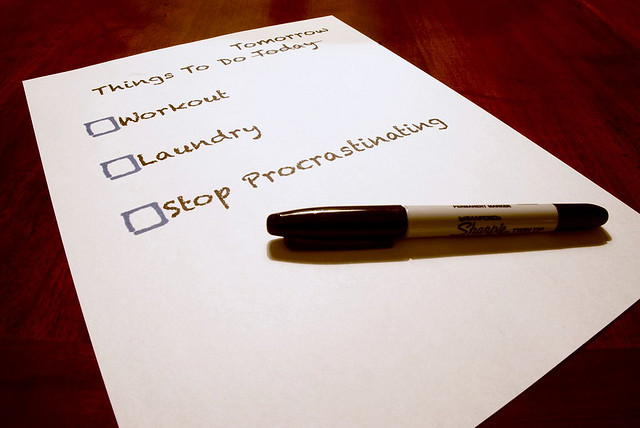
Keep Yourself Feeling Great! Maintain Wellness and Prevent Worsening Psychiatric or Emotional Symptoms with This Easy Exercise
Create wellness sheets and have a reminder of what you need to do every day, and once in a while, to keep yourself feeling good and to prevent worsening psychiatric or emotional symptoms.