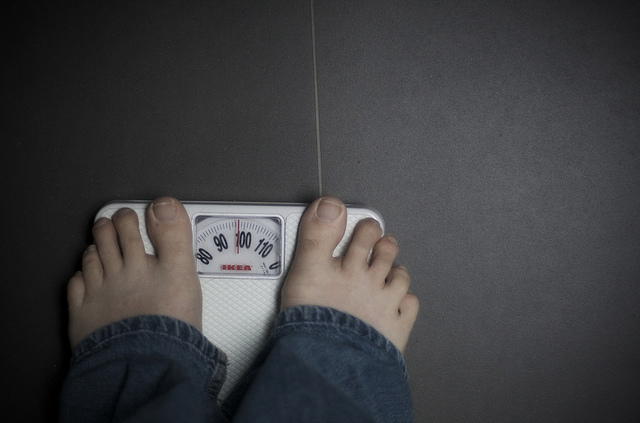
Obesity Statistics: The Scale of the Problem and Its Consequences
Obesity had nearly tripled in the last few decades and if you’re an adult in America today that’s not overweight or obese…you are in a real minority. Read on to see more obesity statistics and to learn more about the consequences and incidence rates of one of America’s greatest health challenges.

The numbers alone tell the story well enough – America’s got a big problem with obesity, and for those afflicted (and if you combine those who are overweight and those who are obese…that’s about two thirds of us) the consequences are felt through increased health care costs, a potential decrease in quality of life and a substantially elevated risk of an early death.
Obesity Statistics
- Mississippi is the nation’s heaviest state, with a 34% obesity rate, closely followed by West Virginia (32.5%), Alabama (32.2%) and South Carolina (31.5%). Colorado is the country’s least obese state, with a still substantial 21% obesity rate. 1
- 72.3% of American men and 64.1% of American women are either overweight or obese
- 16.9% of American children and adolescents are obese2
- Only 31.6% of all American adults over the age of 20 are at a healthy weight, with a BMI score between 18.5 and 25.
- From 1960-1992 to 2005-2006 American obesity rates nearly tripled, from 13.4% in the 60s to 35.1% in 2005
- Non Hispanic Black women are the racial/ethnic group with the highest obesity rate, at 49.6%. Asian Americans are the least obese ethnic/racial group, with an obesity rate of only 8.9%
- In America, an obese person pays an average of $1429.00 more per year for health care expenses than a person of healthy weight.
- Only 31% of American adults report participating in regular leisure time physical activity3
- Among women, obesity rates decline as personal income rises. Women with a college education are also less likely to be obese than women with some college only or a high school diploma.4
- People who are obese are between 50% and 100% more likely to die a premature death. The Surgeon General estimates than an annual 300 000 American deaths may be obesity caused.
- Obese people are twice as likely to have high blood pressure and over 80% of people with diabetes are either overweight or obese.
References
Editor’s picks

Chronic Stress Leads to Obesity – Cut the Stress to Shed the Pounds
Chronic stress causes brain changes that lead us to crave comfort foods and to actually strive to increase abdominal fat stores – it’s our unconscious mind working against our best intentions! Learn more about how and why stress leads to weight gain and get some tips on things you can do right now to reduce your stress load.

The Neurological Model for Food Addiction – How the Overconsumption of Food Causes Addiction-Like Changes to the Brain
NIDA researchers explain food addiction by showing how overeating can lead to changes in the dopamine pathways of the brain, and showing how these changes alter our ability to regulate impulses to eat
Are You Obese, Overweight or at a Healthy Weight? Calculate Your BMI Score Here to Find Out
Learn how to calculate your BMI Score. Although far from perfect, the Body Mass Index (BMI) score is used to determine what obesity category you fall into.
Gut Bacteria Protect Your Mental Health. Learn How to Protect Your Microbiome
Imbalanced gut bacteria may increase your risk of anxiety, depression, obesity and a host of other diseases. Learn how digestive bacteria can cause anxiety and find out how dietary changes can help you instill or protect an optimal balance of beneficial bacteria.

Childhood Obesity - How Parents Can Safely Encourage Weight Loss
Obese kids should be encouraged to lose weight for greater physical and often mental health. Learn how to encourage weight loss, without increasing the risk of an eating disorder.