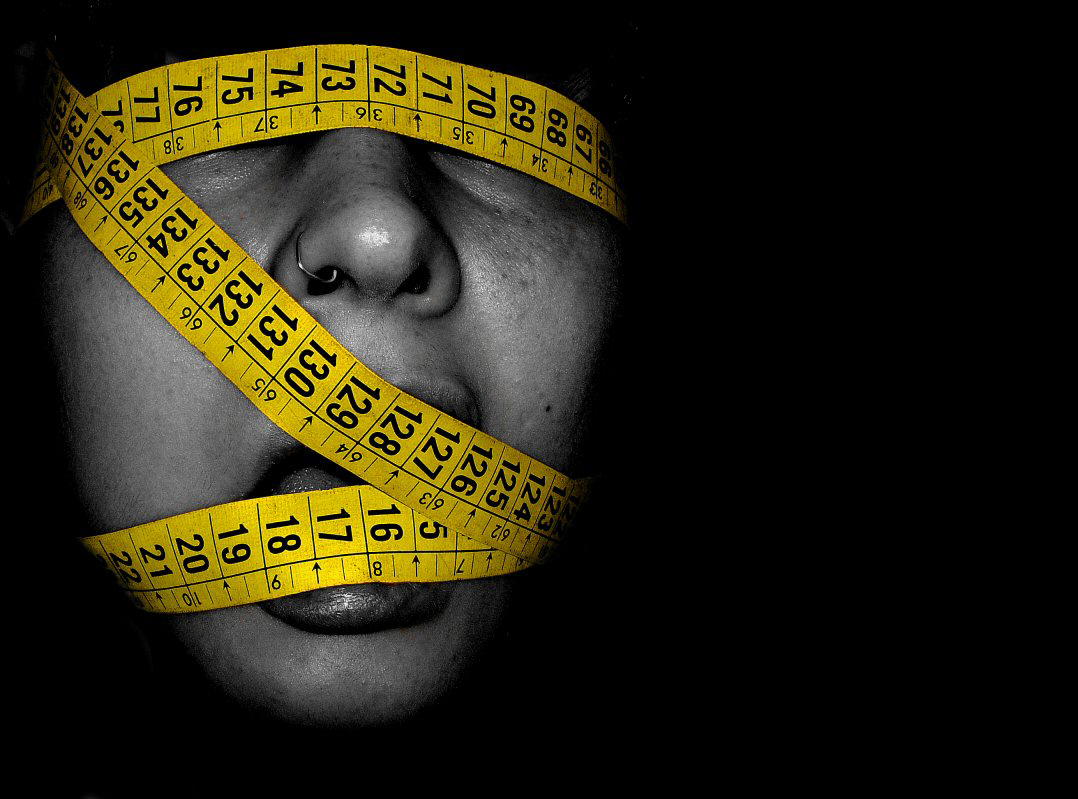
Anorexia Nervosa - Signs, Symptoms and Risks
Anorexia nervosa, the deadliest mental-health disorder, is a fixation on weight control - literally a form of self starvation. Learn the signs, symptoms and risks of the disease.

Literally self-starvation, anorexia nervosa distorts body image to the point that anorexics will feel fat - even as they waste away to death.
Anorexia is a compulsive anxiety disorder, and tends to manifest mostly in women with low self esteem, anxiety and perfectionist traits. Anorexia becomes a compulsion for control, with the control of food intake used as a coping method for otherwise difficult emotions and as a way to retain a sense of order and control over an uncontrollable world. Anorexics feel powerful while they control their weight, with every additional loss a small victory over a chaotic world.
Anorexics cannot see themselves as others do. Even as they become completely emaciated, they feel fat. Skin-and-bone anorexics will readily point to parts of their body still "showing" fat, and will never reach a satisfactory weight.
Anorexia is deadly, with as many as 20% of those diagnosed ultimately dying from complications related to self-starvation. Anorexics vehemently deny the existence of a problem and will often resist therapy, seeing treatment only as a way to "force them to eat".
Treatment for anorexia should always occur as soon as possible, the damage of anorexia being cumulative and the disease entrenching with time. In most cases, treatment for anorexia must combine medical care (to correct damage induced) and psychiatric care (to treat the compulsion).
Signs of Anorexia
Four Central Symptoms Characterize the Disorder
- A pathological fixation on getting or being fat, even when body weight is at or below A minimum normal weight for age and height
- A cessation of menstruation in post pubescent women
- A distortion in self perception of body shape or weight (feeling fat even when obviously not) or a denial of a seriously low body weight
- A determination to maintain a below minimum average body weight for age and height
Warning Signs of Anorexia Nervosa
Loved-ones concerned about the possibility of anorexia should be aware of warning signs that may point to the existence of an eating disorder. The more warning signs observed, the greater the cause for concern.
- A fixation on food or the calories in food
- Avoiding certain food groups completely
- Picking or playing with food
- Frequent excuses for not eating meals, and/or frequent denial of hunger
- Excessive tiredness or feelings of constant cold
- Compulsive exercise
- Wearing clothing that hides body shape
- Complaining of being or feeling fat, even when obviously underweight
- Depression or isolation
- Fainting and muscle weakness
- Eating only in private
- Guilt or shame about eating
- Anything that indicates an unhealthy preoccupation with food or body image
The Health Risks of Anorexia
The bodily effects of self-starvation are systematic, very serious and possibly fatal. In response to insufficient caloric intake, the body responds with an overall metabolic slowing. Continued intake deficits result in muscle and bone wasting, organ damage or failure and brain damage.
The body needs energy and nutrients – it can’t survive without them
Specific Health Effects Include:
- A slowing heart rate and lowered blood pressure - Indicative of heart muscle damage, and a risk factor for cardiac arrest
- Lowered bone density, resulting in easily broken bones
- Hair loss
- Fine downy hair all over the body - Called lanugo, this hair grows as the body without fat struggles to keep warm.
- Dehydration and electrolyte imbalances - possible kidney or liver damage or failure
- Muscle weakness, fainting and chronic fatigue
- Loss of menstruation and fertility
- Abdominal pain
- Low potassium (risk for cardiac arrest)
- Dry skin
Almost all anorexics are girls or women, and the vast majority begin compulsive dieting in their teens – and as many as 1 in 100 women must endure anorexia. The health consequences of anorexia increase proportionally with the duration of the condition, with as many as 20% ultimately dying from anorexia related complications.
Caused through a combination of social pressures and internal factors, anorexia is the most lethal of all mental health disorders and early intervention and treatment is both more successful and very necessary to limit physical damage.
Editor’s picks

Orthorexia: An Unhealthy Obsession with Healthy Eating
Did you know the fixation with healthy eating can spell disaster? Don't let your diet control your life. Learn about Orthorexia: The obsession with correct eating.
Body Dysmorphism Disorder (BDD) - Symptoms, Dangers and Treatments
People with BDD are fixated on a certain part of their face, or body - believe it to be very ugly and noticeable, and worry about it enough to influence quality to of life. In extreme cases, BDD can cause social isolation or even suicide. Understand BDD, and learn how treatment can help.

Eating Disorders in Men - More Common Than You Think
Almost 1 million American men suffer an eating disorder.
Excessive Exercise - 15 Warning Signs of Compulsive Exercise
Are you a healthy exerciser or do family and friends express concern at how often, how long and how hard you train? Is exercise fun for you, or is it something you NEED to do so you don’t feel guilty, anxious and depressed? Learn more about the warning signs of compulsive exercise and learn better and more joyful ways to weave fitness and health into your lifestyle.
5 Question Test for Eating Disorders
Take the following 5 question test to find out if you have an eating disorder.