
Acupuncture as Drug Treatment
Acupuncture is an alternative but increasingly mainstream treatment for addiction. It minimizes withdrawal symptoms and reduces experienced drug cravings.
Acupuncture has been used with increasing frequency in the treatment of drug addiction in the United States over the last 30 years, and many drug rehab centers, private practitioners and even correctional facilities employ acupuncture for the treatment of drug abuse and addiction. Although it has become increasingly accepted, there remains some opposition to the procedure and there have been few rigorously controlled studies of acupuncture's actual efficacy in the treatment of addiction. Some initial studies have presented promising findings, and a great many loosely organized studies show incredible efficacy. Personal stories also abound about acupuncture's potential as a part of comprehensive drug rehabilitation treatment programming.
What is Acupuncture?
Acupuncture is an ancient Chinese medical technique that involves the insertion of specially designed needles into the skin to induce a desired physiological response. Acupuncture has been dated back to at least 4700 years ago, and may precede even this early date.
The philosophy behind acupuncture is that the body contains a life force called Qi (pronounced chee) and that this Qi flows through the body through 14 paired channels called meridians. Proper flow of this life force is essential for correct health and balance, and when the Qi's flow is blocked or interrupted, health becomes compromised.
The way to restore the flow of Qi is through acupuncture, and as such needles are inserted into varying meridians at points in the body where these meridians travel closely with the skin. By inserting and manipulating the needles inside these meridians, the flow of Qi can be restored, and health bettered.
One obvious reason for much of the reluctance from medical professionals and governmental policy agencies to recognize acupuncture as therapeutically useful originates from its philosophical use of an ancient Chinese concept of health, as opposed to modern somatic principles of western medicine.
How does it work?
Without subscribing to a belief in Qi and ancient Chinese medicine, no one can really explain why or how acupuncture works; but it without question does work, and a common analgesic technique within Chinese hospitals is the use of electrified acupuncture needles as a replacement for anesthesia during surgeries!
There are many theories as to why acupuncture induces physiological responses in the body, but three of the most credible are that it influences the release of endorphins, that it influences the release or reuptake of neurotransmitters, or through a gate keeper theory of pain management.
Some proponents argue that the manipulation and insertion of needles at certain parts of the body causes a corresponding release of endorphins in the brain, and this can explain some of the remarkable analgesic properties of the technique, and since the endorphins also influence the pain and reward centers of the brain, could explain how acupuncture seems to reduce withdrawal and cravings.
Others opine that the effects of acupuncture are realized through an alteration of neurotransmitter levels in the brain. It is hypothesized that the insertion of needles may influence neural levels of noradrenalin and serotonin.
Lastly and most commonly presented as explanation, is the gate keeper theory. Proponents of this theory argue that the brain can only process so many concurrent stimuli, and when the nervous system becomes overloaded through the progressive insertion of many needles throughout the body, it loses its ability to recognize other unrelated stimuli. This makes another convincing argument for the remarkable analgesic properties of the technique.
The Use of Acupuncture in Drug Treatment
Although western science remains unable to explain it, acupuncture seems to provide recovering addicts with relief from the physiological effects of withdrawal, from the cravings back to abuse, and from the depression often induced by initial recovery.
Rigorous clinical studies have yet to demonstrate convincing evidence, but anecdotal evidence, and some less comprehensive studies, indicate that there is a very positive effect to the use of acupuncture in drug treatment.
Various studies have shown that the use of acupuncture causes better completion rates in drug programming and that recovering addicts report less physical withdrawal symptoms, less cravings to use, and less associated depression while receiving concurrent acupuncture therapy.
Many holistic treatment centers now incorporate acupuncture therapy as a part of a greater framework of treatment within a drug rehab.
Conclusion
Anecdotal and initial scientific evidence points strongly towards a real benefit to the inclusion of acupuncture with a drug treatment framework, and although the physiological mechanisms leading to symptoms betterment remain obscured, the technique does seem to offer treatment of value.
Acupuncture on its own is unlikely to induce lasting behavioral change and long term sobriety, but when used as an adjunct to other conventional therapies it may reduce the discomfort of recovery, and induce a better physical readiness for rehab participation.
The Limits of Acupuncture in Drug Treatment
The only comprehensive and clinical study of acupuncture and addiction has been funded by the National Institute of Drug Addiction (NIDA) and although the study did indicate a positive correlation between recovery and acupuncture, the eventual recovery rates were not as impressive as had been hoped.
Acupuncture advocates explain that the mediocre results occurred as a result of the methodology that tested acupuncture alone against a measure of recidivism. Acupuncture they explain is an excellent treatment aid to the physical symptoms of drug withdrawal, and even to the mental effects of recovery; but it does nothing to change drug seeking behaviors, nor does it solve any of the problems that may lead users back to abuse. Acupuncture is only truly beneficial when it is combined with a more comprehensive program, which also includes therapy, group meetings, nutrition and other aspects of a total rehabilitation package.
Editor’s picks

Prayers In 12 Steps Drug Treatment Programs
Although no one can deny the effectiveness of secular techniques in rehab, we exist as spiritual beings, and an addiction is an ailment of the spirit as much as a disease of the body. We need tools such as those offered through private therapy and cognitive peer groups to combat temptation when it arises, but for those lucky enough to posses a strong belief in God, through prayer and faith; temptation is avoided, resolve strengthen, and sobriety enhanced.

The Benefits of Meditation in Drug Treatment
As addictions professionals recognize and promote the benefits of more holistic programs of recovery, the value of meditation in drug treatment is increasingly recognized and offered as adjunct therapeutic programming in comprehensive drug rehabs.

The United Nations on 'Addiction Treatment Rights'
No matter what you’ve done or who you are, you are entitled to drug addiction treatment that is respectful of your dignity and rights as a human being.
Biofeedback in Addiction Treatment
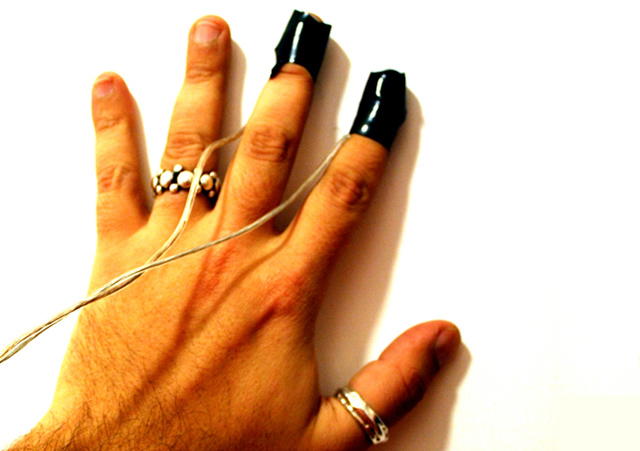
Biofeedback Therapy is a relatively new form of alternative therapy that uses specialized instruments and technology to measure quantifiable reactions and responses of the body.

Want Quality Treatment? Evidence-Based Therapies Increase Your Chances of Lasting Addiction Recovery
If you want to be sure you'll get value and benefit from an addiction treatment program, make sure they offer evidence based therapies - interventions that are actually proven to work!