
Why Women Are at a Greater Risk of Depression
One woman in 8 will succumb to depression during a lifetime. Why are women at a greater risk of this disorder than men? Scientists aren’t yet sure, conclusively, but they have some theories.

Twice as many women as men succumb to depression during any given year.
Scientists can't yet explain this huge gender gap, but they have some theories about what makes women more vulnerable:
Hormonal differences
Fluctuating levels of estrogen and progesterone during a monthly menstrual cycle cause premenstrual syndrome, and in some women, may cause a very severe form of PMS known as PMDD, premenstrual dysphoric disorder, a form of cyclical depression.
PMDD causes symptoms of PMS severe enough to cause problems in daily life.
Pregnancy
Having a baby increases a woman's chances of depression. The causes of postpartum depression remain unknown, but are likely a combination of hormonal and environmental factors, combined with the stress of care giving.
Infertility may also cause stress, anxiety and depressed mood, which may lead to a clinical condition.
Menopause
The fluctuating hormonal levels of perimenopause and menopause, as well as the changing estrogen levels after menopause, can all increase a woman's risk of depressive symptoms.
Women who experienced an earlier in life episode of depression may be at greater risk during menopause.
Poverty
Living in poverty increases the risks of depression. Women, especially single mothers, are at greater risk of poverty than men.
Discrimination
Women may experience lower pay or underemployment as a consequence of their gender. Stress, powerlessness and frustration emerging from discrimination can increase the risks of depression.
Care Giving Stress
Stress is a major cause of depression and women are at greater risk of care giving stress. Women are more likely to be single parents than men and are more likely the caregiver tending to the needs of multi generational extended family relatives.
Trauma or Abuse
Women are more likely than men to suffer sexual abuse or trauma.
Editor’s picks
Antidepressants, SSRIs - FAQs
Answers to common questions about a frequently prescribed class of antidepressant medication.

Cognitive Behavioral Therapy (CBT) for Depression
An evidence based (proven to work) kind of psychotherapy for the treatment of depression; CBT helps people change the way they think, so they can change the way they feel.

Seasonal Affective Disorder (SAD)
For as many as 15% of people in some parts of the country, as autumn days shorten into winter nights, life gets harder. SAD is a seasonally induced depression that begins as the days shorten and doesn't lift until the first sunny days of spring. It's a common but very treatable disorder.

Sexual Dysfunction and Anti Depressants (SSRIs)
Depression can cause sexual dysfunction and depression medications can actually worsen the problem. Here are the facts about SSRIs and sexual dysfunction, as well as solutions to the problem.
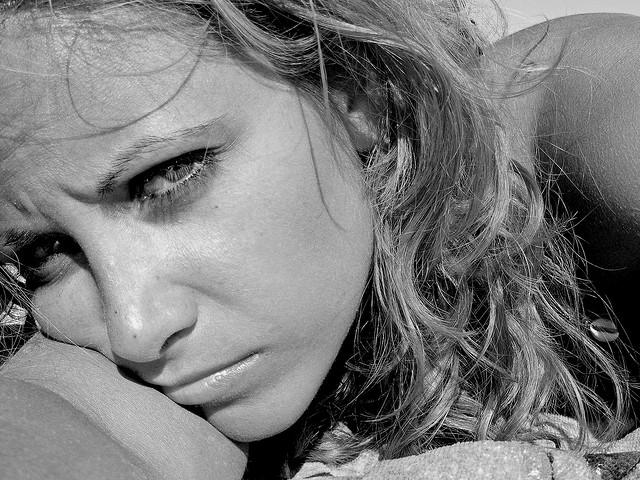
Depression and Relationships – Living with a Depressed Spouse
Depression and healthy relationships don’t often go hand in hand – after all, people experiencing depression have trouble caring about their own life, let alone the wants and needs of those around them. Nevertheless, depression treatments work well and an understanding partner can be invaluable to someone going through mental illness – and there is light at the end of the tunnel. Learn what you can do to help when your romantic partner suffers from depression.