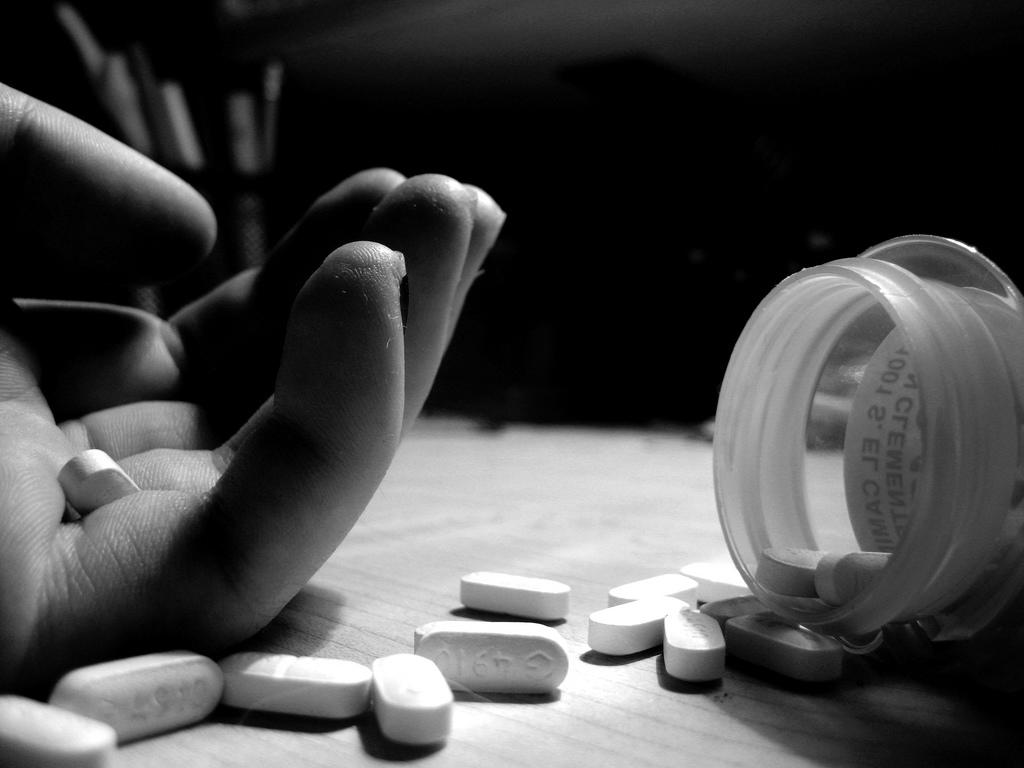
Teen Suicide Risk Factors and Warning Signs
Teens with depression and other mental illnesses or those that abuse drugs or alcohol are at a greatly elevated risk for suicide. Learn the risk factors and warning signs of this preventable tragedy.

Teens with depression are some 12 times more likely to attempt suicide. It is vital that teens experiencing this mental health condition receive appropriate treatment and vital that those close to a teen with depression get educated about the signs and risk factors of suicide.
Factors that increase the risks of teen suicide include:
- Having a mental illness, such as depression or bipolar
- A substance abuse problem (or a co occurring problem of substance abuse and mental illness)
- An earlier suicide attempt
- Living through the suicide attempt of a loved one
- Having access to a gun in the home
- Being in jail
- A history of violence or abuse in the family
- Having a familial history of suicide
- A recent traumatic incident (the loss of a loved one, legal troubles, a hard break-up, etc.)
- Impulsiveness and aggressiveness as personality types
- Having parents with mental illness
- GLBT sexual orientation
- Others
80% of those that successfully commit suicide talk about their intentions at least once prior to the act. Teen suicide is enormously preventable, if only those close to teens are able to spot the warning signs and prepared to act in the face of evidence that points towards suicidal thoughts or intent.
Warnings signs of teen suicide include:
- Sudden changes in personality
- Sudden change in sleeping patterns
- The use of drugs or alcohol
- A sudden lack of concern about personal appearance or hygiene
- A sudden decline in school performance
- Engaging in unnecessary risky behaviors
- Frequently talking and thinking about death or dying
- An inability to accept praise
- Social withdrawal
- No longer feeling interested in activities that used to bring pleasure
- Frequently complaining of boredom
- Frequently complaining of aches or pains, such as stomach aches or headaches, that have no apparent physical cause
- Running away from home
- Engaging in violent activities
Dramatic warning signs include mentioning, writing about, drawing of or otherwise indicating a desire to commit suicide, including:
- Writing a practice suicide note
- Saying, “I want to die,” or “I am going to kill myself” or other variations
- Giving away possessions
- A sudden brightened mood after a long period of depression
- Hinting around the issue, “If I were ever to die, I would want…”
Don't Wait - Act
Respond to any indication of thoughts of suicide by getting immediate professional help. It is nearly impossible to overreact to the threat of suicide, but very easy to tragically under react. Have a mental health professional evaluate the problem as soon as possible.
If you think that suicide is imminent, DO NOT LEAVE THE TEEN ALONE, UNDER ANY CIRCUMSTANCES.
1-800-273-TALK Is a 24 hour a day toll free suicide helpline funded by the US Dept of Health and Human Services. Anyone in crisis and needing to talk or anyone concerned about the behaviors of a loved one can call for free, at any time, day or night.
Editor’s picks
Antidepressants, SSRIs - FAQs
Answers to common questions about a frequently prescribed class of antidepressant medication.

Cognitive Behavioral Therapy (CBT) for Depression
An evidence based (proven to work) kind of psychotherapy for the treatment of depression; CBT helps people change the way they think, so they can change the way they feel.

Seasonal Affective Disorder (SAD)
For as many as 15% of people in some parts of the country, as autumn days shorten into winter nights, life gets harder. SAD is a seasonally induced depression that begins as the days shorten and doesn't lift until the first sunny days of spring. It's a common but very treatable disorder.

Sexual Dysfunction and Anti Depressants (SSRIs)
Depression can cause sexual dysfunction and depression medications can actually worsen the problem. Here are the facts about SSRIs and sexual dysfunction, as well as solutions to the problem.

Depression and Relationships – Living with a Depressed Spouse
Depression and healthy relationships don’t often go hand in hand – after all, people experiencing depression have trouble caring about their own life, let alone the wants and needs of those around them. Nevertheless, depression treatments work well and an understanding partner can be invaluable to someone going through mental illness – and there is light at the end of the tunnel. Learn what you can do to help when your romantic partner suffers from depression.