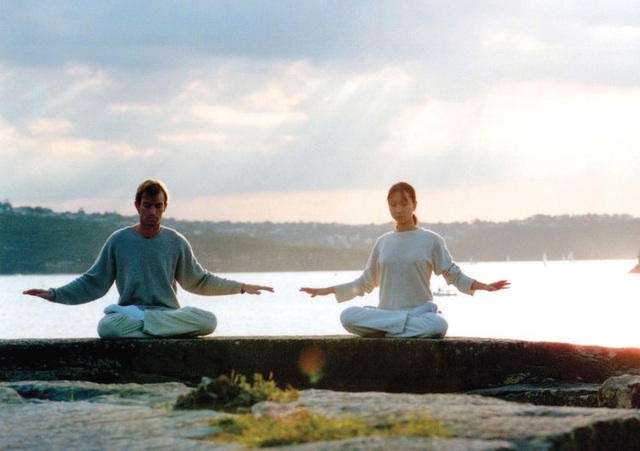
Addiction Recovery & Meditation: 8 Ways Meditation Keeps You Sober
If you aren’t meditating already, here are 8 very good reasons for you to consider taking it up. Whether you’re still drinking or using and trying to control yourself, just starting off with treatment or long down that winding and difficult recovery journey, stopping yourself from taking that next drink or line or hit is always going to be a challenge. Fortunately, while you may never be able to erase temptation from your life, you can take some steps to build up your resilience against cravings as you also build up your overall levels of health and happiness.

If only there was something we could do that didn’t take much time each day and didn’t cost any money and almost magically removed much of the stress from life as it also brought more joy and equanimity and a better ability to manage temptations… Hey wait a minute – meditation can do all that!
If you’re trying to control your urges to take drugs or drink alcohol, there are a number of very compelling reasons to add a session of meditation into your daily routine, and not very many valid reasons for not doing so.
Not convinced? Here are 8 reasons why you should consider learning to meditate!
8 Fantastic Benefits of Meditation
1. Meditation reduces your stress level
This alone is reason enough for most of us to get started. Meditation won’t do much to remove stressors from your life (your boss may still be a difficult person even after you meditate) but it will help you to respond to stressful events in your life without feeling as frantic on the inside – and since stress is a major cause of relapse, for those in recovery, eliminating any stress is a very good thing.
Stressful life events can trigger your sympathetic nervous system into a ‘flight or fight’ response which causes an increased heart and respiration rate, a narrowing of the blood vessels and other physical changes – the body gets ready to run or fight in response to a threat. Meditation increases the activity of the sympathetic nervous system’s opposite, the parasympathetic nervous system. The parasympathetic nervous system controls bodily functions in moments free from danger or stress. Increasing the activity of the parasympathetic nervous system results in lowered respiration and pulse rate, improved blood flow and lower blood pressure, better digestive function and a better ability to handle stress without feeling your blood pressure rise.
2. Meditation improves immune function
The abuse of opiates and some other drugs can decrease the effectiveness of the immune system, and few people emerge from drug or alcohol abuse in pristine health. Fortunately, research shows that just a few weeks of daily meditation can improve immune function and keep you feeling as good as you should.1
3. Meditation can control pain and keep you off opiate analgesics
Meditation is a proven pain management technique that may help you to avoid, or minimize your use of, problematic and addictive opiate drugs.
4. Meditation can lower your blood pressure and stave of heart disease
Anyone who has abused drugs or alcohol for long could do well to treat the heart with a little TLC; after all, all those nights of whiskey and cigarettes and cocaine and whatever else can do a lot of damage. Fortunately, research shows that regular meditation practice can lower blood pressure and even prevent the onset of heart disease. You can’t go back in time, but you can start taking better care of yourself, starting from today.2
5. Meditation increases your empathy and compassion for others
The behaviors of addiction are necessarily selfish, and this can wreak havoc on relationships with the people we care about most. Fortunately, with kindness and right actions you can rebuild most relationships, and meditation is a great way to improve your relationships with those you love as the practice transforms you into more generous, compassionate and empathetic person.
It’s not only anecdotal evidence which illustrates how meditation can transform you into a nicer-to-be-around person, brain imaging scans done on experienced meditators shows that meditation leads to a greater neural response when confronted with the negative emotions of others. Basically, brain scans show that meditation really does amp up compassion and empathy!3
6. Meditation may slow down the aging process
The bad news for those of us who’ve drank more than our fair share over the years is that drinking alcohol has been implicated as something that shortens the length of telomeres, which are the protective caps situated at the end of chromosomes. Shortening telomeres are thought to influence the cellular aging process so anything you do to make your telomeres shorter increases the rate at which you age.
Fortunately, although you can’t undo what’s done, you can take steps now to preserve your telomeres. Preliminary research indicates that meditation may be something that protects against telomere shortening by decreasing things like chronic stress and emotional reactivity that are also thought to accelerate the aging process by shortening telomeres.4
7. Meditation can help build up your sense of spirituality
For thousands of years Buddhist monks, Hindu Yogis, Christian mystics and people from a thousand other spiritual traditions have used meditation as a way to connect with the divine and enhance a personal spiritual understanding.
Whatever your religion or spiritual take on the world, meditation can probably help you too become more connected to the powers, joys and mysteries of life. And whether you’re still drinking or using, trying to stop or on an ongoing journey of recovery, building a personally relevant spirituality is a very useful thing to do.
8. Last but certainly not least…meditation will bring joy into your life
MRI scans show what meditation enthusiasts preach to anyone who’ll listen, meditation brings more joy into your life, and it’s pretty hard to argue against more happiness in life, right?
References
- 1. Laboratory for Affective Neuroscience: Alterations in Brain and Immune Function Produced by Mindfulness Meditation.
- 2. New York Times: Can Meditation Curb Heart Attacks
- 3. Regulation of the Neural Circuitry of Emotion by Compassion Meditation: Effects of Meditative Expertise
- 4. Can Meditation Slow Rate of Cellular Aging? Cognitive Stress, Mindfulness, and Telomeres.
Editor’s picks
What is Adventure Therapy?
What is adventure therapy and why is it an effective in the treatment of substance abuse? Understand this form of experiential therapy and how it promotes overall well-being.

Medical Marijuana - How to Avoid Abuse and Addiction
Marijuana is a valid medicine, and like many other medicines, it has a potential for abuse. However, with medical marijuana, you're usually left to decide how much and how often to use on your own. Here's a guide to making sure your medicine doesn't start causing more problems than it solves.

Tai Chi for Better Mental Health – The Evidence
Tai Chi is known to yield physical health benefits like improved muscle strength and balance, but can it also alleviate symptoms of depression and anxiety, reduce stress and improve mood and self esteem? Read on to find out what clinical researchers say about Tai Chi as a treatment for psychological well-being.

Harvard Researchers Say Electrical Acupuncture Works Well as a Treatment for Opiate Addiction
A study on electrical acupuncture demonstrates its possibilities as a form of opiate addiction treatment.
Considering Milk Thistle for Alcoholic Liver Disease – an Overview and Review of the Evidence
If you have alcoholic liver disease should you be taking milk thistle? The research evidence is inconclusive, but a number of studies show real benefits and no studies show significant harms. Read on to learn more about this potentially life-saving herbal medicine.