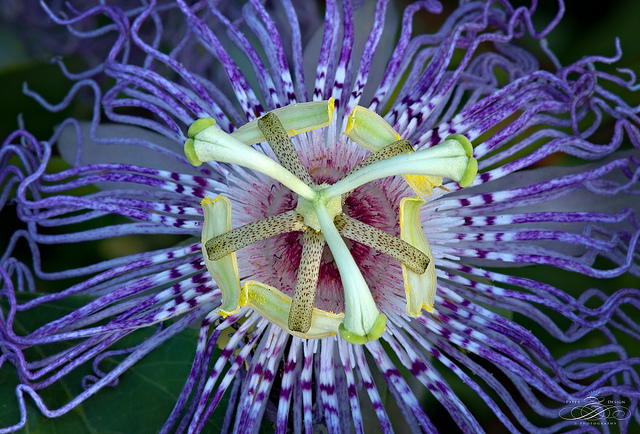
Passionflower to Treat Opiate Withdrawal Symptoms
Learn more about this herbal medicine that’s research-proven to reduce the agitation, irritability, insomnia and anxiety of an opiate withdrawal.

Looking for a non pharmaceutical treatment for opiate withdrawal symptoms?
Well, consider passionflower – a herbal medicine that’s research-proven to ease the mental symptoms of opiate withdrawal.
What Is Passionflower?
Passionflower (Passiflora incarnata) is a perennial vine that’s been used medicinally for hundreds of years.
Passionflower works by increasing the activity of the GABA system in the brain, similarly to benzodiazepines, though unlike benzos – passionflower won't cause addiction.
In addition to helping with opiate withdrawal symptoms, people also use passionflower to treat anxiety, insomnia, asthma, symptoms related to menopause, ADHD, high blood pressure, pain, fibromyalgia, seizures, and other conditions.
Passionflower for Opiate Withdrawal Symptoms
Research Supporting Passionflower Plus Clonidine
Clonidine is commonly prescribed for opiate withdrawal symptoms.
Researchers at Tehran University of Medical Sciences compared the use of clonidine alone to clonidine plus passionflower extract as a treatment to ease opiate withdrawal symptoms.
The Study
65 opiate dependent study subjects were randomly assigned to one of 2 groups:
- Subjects in the first group received a daily dose of up to 0.8 mg clonidine plus 60 drops of passionflower extract.
- Subjects in the second group received the same daily dose of clonidine plus 60 drops of an inert placebo substance.
The researchers tracked the severity of opiate withdrawal symptoms for all subjects from the first day of abstinence to day 14 post-abstinence.
The Results
- Subjects given passionflower extract as well as clonidine had less severe mental withdrawal symptoms than subjects given clonidine alone. Subjects in the passionflower plus clonidine group experienced less agitation, irritability, insomnia and anxiety than subjects in the clonidine plus placebo group.1
Research Supporting Passionflower to Reverse Opiate Dependence
The results of an experiment published in the journal Pharmaceutical Biology indicate that passionflower extract may at least partially reverse opiate dependence.
- Opiate tolerant mice experience precipitated withdrawal after taking the opiate antagonist naloxone.
- In this study, pretreatment with a single dose of passionflower decreased the withdrawal symptoms experienced after naloxone injection.2
Passionflower as an Anxiety Treatment
Passionflower may also work as an anxiolytic medication.
- In one study (which lacked a placebo group) passionflower was found as effective as oxazepam in the treatment of generalized anxiety disorder.
- In another study, subjects given passionflower before surgery had less anxiety than subjects given a placebo. The passionflower did not adversely affect recovery from anesthesia.3
Passionflower for Virility?
As an aside, consider that passionflower may also protect male virility against the degrading effects of daily marijuana use.
In an animal-model study, male mice given THC each day for a month experienced decreased sperm counts, mounted females less frequently and impregnated fewer mates.
- However, mice given THC and passionflower extract experienced no such sexual side effects.4
So if a heavy marijuana habit seems to impair your libido or virility, consider a marijuana break, or if not that - consider adding a passionflower supplement to your daily routine.
Safety Considerations?
According to the National Institute of Health, (NIH) passionflower is:
- Likely safe when taken orally in amounts normally found in food.
- Possibly safe when taken for less than one month as a medicine.
- Possibly unsafe when taken orally in large amounts.
- Not safe during pregnancy or while breastfeeding.5
Side effects can include dizziness, confusion, altered states of consciousness and inflamed blood vessels.5
Worrisome Interactions?
Passionflower may cause sleepiness and may increase the sedative effects of other sedative herbs and drugs, such as:
- Benzodiazepines
- Z drugs
- St John’s Wort
- Valerian root
- And others
The herb may also affect blood thinning medications like Coumadin and older antidepressants like MAOs and MAOIs.
Where to Buy Passionflower?
Passionflower is not FDA regulated as a medication; you can buy passionflower extract and supplement pills at health stores or through Amazon or other online retailers.
The supplement is quite affordable, starting at roughly 10 cents per daily dose.
References
Editor’s picks
What is Adventure Therapy?
What is adventure therapy and why is it an effective in the treatment of substance abuse? Understand this form of experiential therapy and how it promotes overall well-being.

Medical Marijuana - How to Avoid Abuse and Addiction
Marijuana is a valid medicine, and like many other medicines, it has a potential for abuse. However, with medical marijuana, you're usually left to decide how much and how often to use on your own. Here's a guide to making sure your medicine doesn't start causing more problems than it solves.
Tai Chi for Better Mental Health – The Evidence
Tai Chi is known to yield physical health benefits like improved muscle strength and balance, but can it also alleviate symptoms of depression and anxiety, reduce stress and improve mood and self esteem? Read on to find out what clinical researchers say about Tai Chi as a treatment for psychological well-being.
Harvard Researchers Say Electrical Acupuncture Works Well as a Treatment for Opiate Addiction
A study on electrical acupuncture demonstrates its possibilities as a form of opiate addiction treatment.
Considering Milk Thistle for Alcoholic Liver Disease – an Overview and Review of the Evidence
If you have alcoholic liver disease should you be taking milk thistle? The research evidence is inconclusive, but a number of studies show real benefits and no studies show significant harms. Read on to learn more about this potentially life-saving herbal medicine.