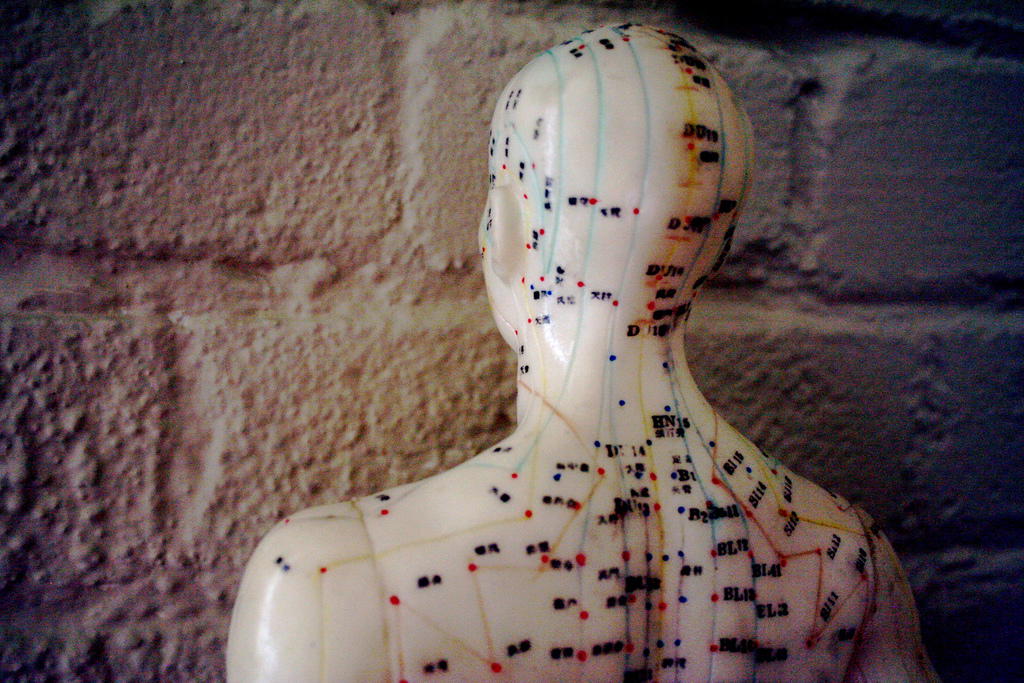
Acupuncture Works as Well as CBT for PTSD
Researchers at University of Louisville School of Medicine ran an experiment on acupuncture as treatment for PTSD and they found that it worked as well as the more conventional treatment of cognitive behavioral therapy.

An enormous number of Americans experience the debilitating symptoms of PTSD. This year, 3.5% of Americans will live through PTSD and a poll of adults aged between 45 and 59 indicates a lifetime prevalence rate of nearly 10%.1
Cognitive behavioral therapy works well as a PTSD treatment, but as many as a third of those afflicted with the disorder will go on to experience a chronic course and need ongoing care.
Some of these people may go one to find relief through an unexpected treatment – the ancient Chinese art of acupuncture.
Acupuncture as a Treatment for PTSD
Acupuncture is now a National Institute of Health (NIH) endorsed complementary therapy for a range of conditions and there is some strong evidence that the technique may work very well for those with PTSD.
One study which provides strong preliminary evidence of acupuncture's utility as a PTSD treatment comes from researchers at University of Louisville School of Medicine, who compared the effectiveness of acupuncture to cognitive behavioral therapy and to no treatment on a group of study subjects all suffering with PTSD.
The researchers measured changes in anxiety, depression and overall impairment. 73 study subjects with PTSD were randomly assigned to one of three control groups, subjects in one group received no treatment, subjects in a second group received 12 weeks of group cognitive behavioral therapy and study subjects in a third group received 12 weeks of acupuncture.
The Results
- 12 weeks of acupuncture and provided symptoms relief equal to 12 weeks of group cognitive behavioral therapy.
- Both of these treatments provided greater symptoms relief than no treatment.
- Symptoms relief endured for subjects in both the acupuncture and group CBT groups endured for at least 3 months post intervention.
The Commentary Based on the study results, the researchers suggest that acupuncture may be an effective and acceptable (low side effect) treatment for PTSD. They call for larger more controlled studies to build on their preliminary results.2
References
Editor’s picks

Medical Marijuana - How to Avoid Abuse and Addiction
Marijuana is a valid medicine, and like many other medicines, it has a potential for abuse. However, with medical marijuana, you're usually left to decide how much and how often to use on your own. Here's a guide to making sure your medicine doesn't start causing more problems than it solves.
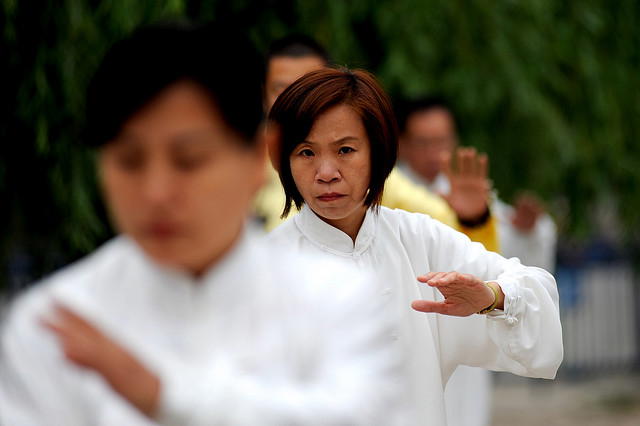
Tai Chi for Better Mental Health – The Evidence
Tai Chi is known to yield physical health benefits like improved muscle strength and balance, but can it also alleviate symptoms of depression and anxiety, reduce stress and improve mood and self esteem? Read on to find out what clinical researchers say about Tai Chi as a treatment for psychological well-being.
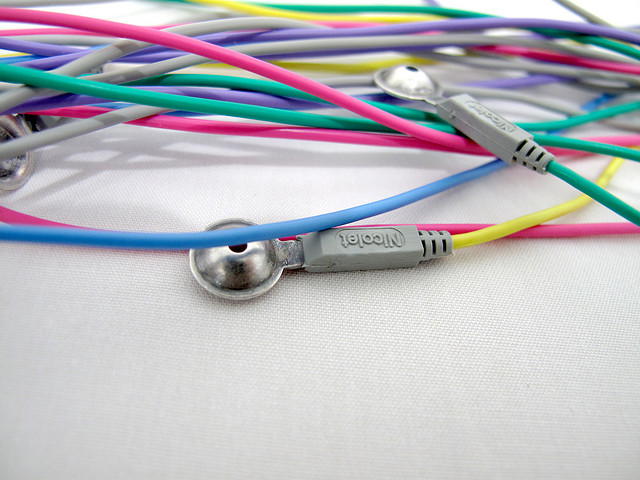
Harvard Researchers Say Electrical Acupuncture Works Well as a Treatment for Opiate Addiction
A study on electrical acupuncture demonstrates its possibilities as a form of opiate addiction treatment.
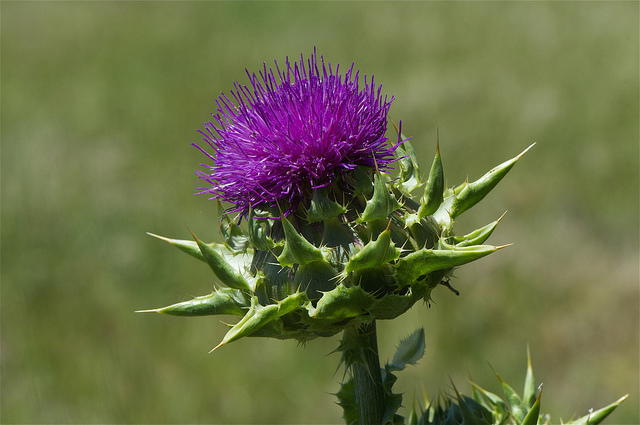
Considering Milk Thistle for Alcoholic Liver Disease – an Overview and Review of the Evidence
If you have alcoholic liver disease should you be taking milk thistle? The research evidence is inconclusive, but a number of studies show real benefits and no studies show significant harms. Read on to learn more about this potentially life-saving herbal medicine.
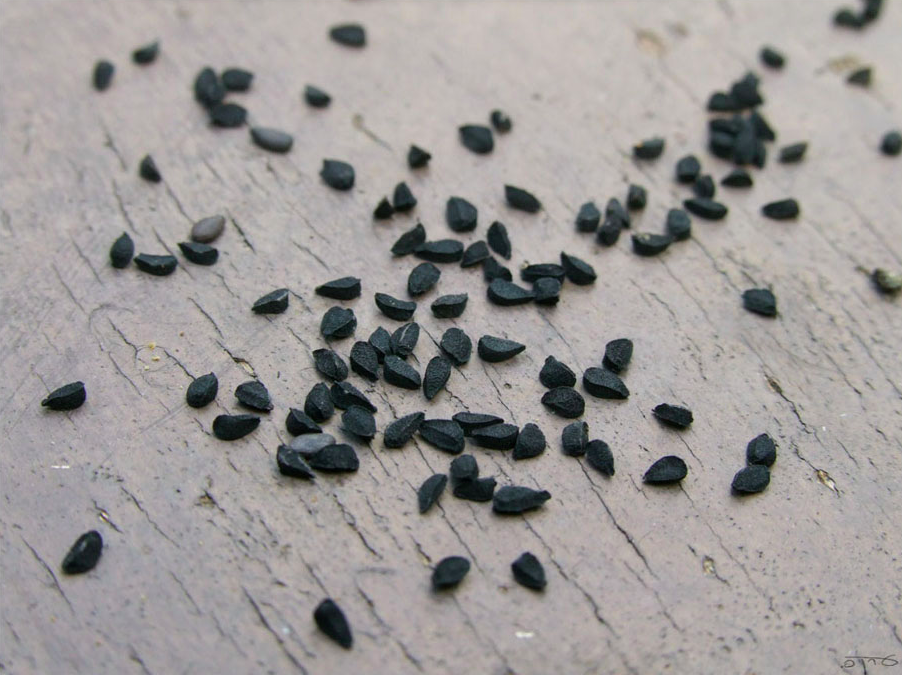
Nigella Sativa (Black Seed) a Natural Opiate Withdrawal Cure?
Used for thousands of years as a traditional medicine, nigella sativa is a safe and effective complementary medicine that treats everything from cancer, to arthritis - and possibly opiate withdrawal. Learn more about the benefits (and risks) of this affordable and natural home-remedy for opiate withdrawal.