
A Review of the Science Supporting Meditation as a Treatment for Substance Abuse
Can sitting quietly and focusing on mindfulness of breath really help you to manage cravings and overcome relapse as well as other forms of addiction treatment? Read descriptions of a few clinical research studies which show just how well the ancient practice of meditation seems to work as a complementary treatment for substance abuse and addiction.

Can the simple act of being mindful and aware of your life as you live it help you to overcome addiction as it also brings more joy and serenity into your day to day life? Read on to learn what modern clinical research is discovering about the ancient philosophy and practice of mindfulness meditation and find out if it might be just what you need to improve the health and happiness of your everyday life.
Mindfulness Meditation and Substance Abuse
People have turned to the spiritual plane for answers to life’s greatest challenges since the dawn of time, but do these ancient spiritual traditions and practices truly offer us the health benefits we demand in this modern pharmaceutical world?
Here is a brief review of some clinical research proving just how useful mindfulness meditation can be as a part of any addiction recovery program.
Mindfulness Meditation as Aftercare for Relapse Prevention
To test whether a mindfulness based relapse prevention program might outperform standard aftercare relapse prevention programs, researchers took 168 adult substance abusers, all of whom had just finished an intensive inpatient or outpatient addiction treatment program, and randomly assigned half to 8 weeks of mindfulness meditation based relapse prevention training and the other half to a standard relapse prevention aftercare program.
All study subjects were assessed for substance use at the completion of the intervention, and at 2 and 4 months following the completion of the intervention.
The results:
- Study subjects who completed the mindfulness based relapse prevention program had significantly lower rates of substance use over the 4 month follow up assessment period. In addition to this, Subjects who completed the mindfulness program also reported decreased cravings and improvements in acceptance and awareness.1
Mindfulness Meditation to Reduce Stress Related Alcohol Abuse and Alcohol Related thought Suppression
A significant percentage of persistent alcoholics drink, at least in part, as a coping response to stressful situations. Unfortunately, the more a person drinks the more likely they are to experience very stressful events, which leads then leads to ever more drinking. Additionally, although it seems intuitive to try to reduce thoughts about an activity we don’t want to engage in, active though suppression about alcohol has actually been found to increase drinking.
To find out if mindfulness meditation training might help alcoholics improve their capacities to handle stress and to reduce alcohol thought suppression, researchers found 37 adult long term alcoholics living in a therapeutic community and randomly divided these participants into 2 groups. One group received mindfulness based training and the other group participated in a standard evidence based alcoholic treatment support group.
The results:
- 10 weeks of mindfulness training resulted in significantly greater stress reduction and frequency of alcohol treated thought suppression than participation in a support group.2
Vipassana Meditation for Incarcerated Substance Abusers
In a controlled study in a prison environment, incarcerated substance abusers were provided with either a course on Vipassana meditation or with the prison’s standard substance abuse treatment program.
Prisoners were followed through incarceration and after release and were measured for return to drug and alcohol use.
The results:
- The prisoners who received the Vipassana meditation training used significantly less alcohol, marijuana and cocaine after release than the prisoners who received the ‘standard’ addiction treatment program. The Vipassana subjects and also showed improvements in psychiatric and social outcomes as compared to the standard treatment group.3
References
- 1. Mindfulness-Based Relapse Prevention for Substance Use Disorders: A Pilot Efficacy Trial. (mindfulrp.com, 2011)
- 2. Substance Abuse.30, 205-305. Mindfulness training modifies cognitive, affective, and physiological mechanisms implicated in alcohol dependence: Results of a randomized controlled pilot trial (mindfulrp.com, 2011)
- 3. PubMed: Mindfulness meditation and substance use in an incarcerated population.
Editor’s picks

Medical Marijuana - How to Avoid Abuse and Addiction
Marijuana is a valid medicine, and like many other medicines, it has a potential for abuse. However, with medical marijuana, you're usually left to decide how much and how often to use on your own. Here's a guide to making sure your medicine doesn't start causing more problems than it solves.

Tai Chi for Better Mental Health – The Evidence
Tai Chi is known to yield physical health benefits like improved muscle strength and balance, but can it also alleviate symptoms of depression and anxiety, reduce stress and improve mood and self esteem? Read on to find out what clinical researchers say about Tai Chi as a treatment for psychological well-being.

Harvard Researchers Say Electrical Acupuncture Works Well as a Treatment for Opiate Addiction
A study on electrical acupuncture demonstrates its possibilities as a form of opiate addiction treatment.
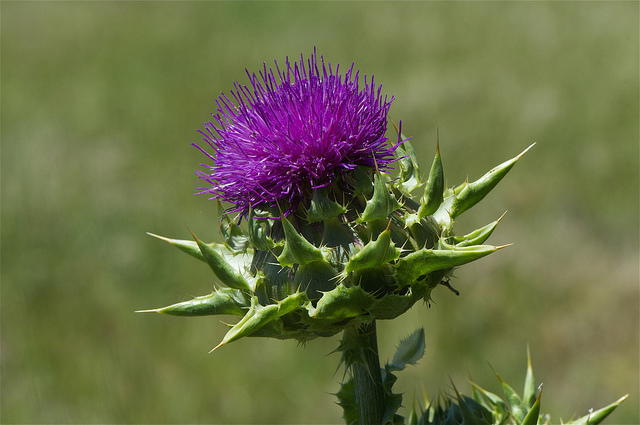
Considering Milk Thistle for Alcoholic Liver Disease – an Overview and Review of the Evidence
If you have alcoholic liver disease should you be taking milk thistle? The research evidence is inconclusive, but a number of studies show real benefits and no studies show significant harms. Read on to learn more about this potentially life-saving herbal medicine.
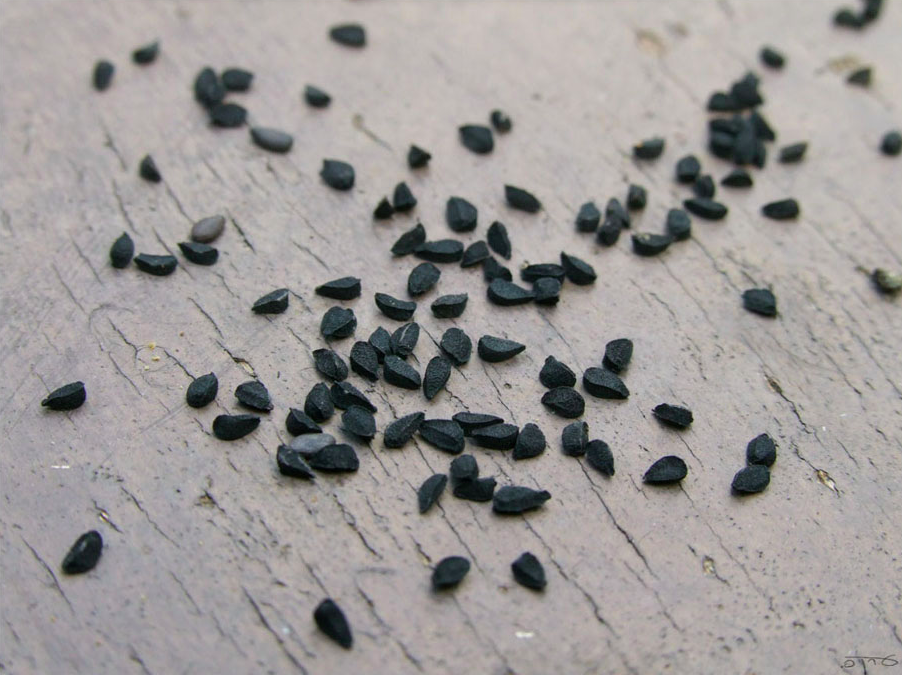
Nigella Sativa (Black Seed) a Natural Opiate Withdrawal Cure?
Used for thousands of years as a traditional medicine, nigella sativa is a safe and effective complementary medicine that treats everything from cancer, to arthritis - and possibly opiate withdrawal. Learn more about the benefits (and risks) of this affordable and natural home-remedy for opiate withdrawal.