
Beta Blockers for Anxiety
A high blood pressure medication that can reduce the physical symptoms of anxiety.

You walk up to give a speech and you feel your heart pounding and a tightness in your chest. You look down at your notes and see your hands shaking and realize that everyone in the room sees your tremor as well as you do. You start to feel worse, your physical symptoms of anxiety actually start increasing the anxiety you feel in your mind.
Now imagine having first taken beta blockers to control the physical symptoms of anxiety and walking up to the podium, still feeling anxious inside, but breathing slowly and steadily, with a normal heart rate and a steady hand – looking to all the world a confident public speaker ready to go. You may still feel anxiety about the event, but without physical symptoms, your anxiety is more manageable.
What Are Beta Blockers?
Beta Blockers are a type of medication used to lower blood pressure and increase blood flow in the body. These medications were used originally as medications for people with high blood pressure, angina, arrhythmias and other cardiac conditions.
They are now also sometimes prescribed to people who deal with anxiety disorders, such as social anxiety disorder or panic disorder. In addition to their cardiac effects, beta blockers can help people with clinical anxiety control the physical symptoms of the disorder, such as a racing heart beat or shaking hands. Controlling the physical symptoms helps people with anxiety better manage the mental and emotional symptoms that coincide.
These medications are not generally prescribed to people with anxiety for continual use, but can be beneficial for occasional use, such as prior to an anxiety inducing situation, such as a social gathering, a flight or a speech.
How Do Beta Blockers Work?
Beta blockers work by blocking certain neurotransmitter receptors, known as the beta-receptors, in the brain and in other parts of the body. These beta receptors are activated by norepinephrine and epinephrine (adrenaline) and when activated cause bodily symptoms such as a racing heart rate, shortness of breath and shaking.
When the beta blockers plug these beta-receptors, even if your brain releases adrenaline, it has no or little effect; the adrenaline can’t activate the plugged up beta receptors to make anything happen.
Situations of high anxiety induce the release of adrenaline. Beta blockers reduce the consequences of this adrenaline, keeping your heart beat slow and stable and your breathing normal; and this in turn helps you to better manage emotional symptoms of anxiety.
Studies have shown that people on beta blockers perform better in high anxiety situations than people not on the medication.
Do Beta Blockers Cause Side Effects?
Most people tolerate these medications very well. Some people may experience side effects that can include;
- Feeling dizzy
- Fatigue
- Cold feeling hands
- Erectile dysfunction
- Sleeping problems
- Feelings of depression
People with very low resting heart rates or breathing problems may not be able to take beta blockers safely.
Editor’s picks

PTSD - Post Traumatic Stress Disorder
Answering some frequently asked questions about Post Traumatic Stress Disorder (PTSD).
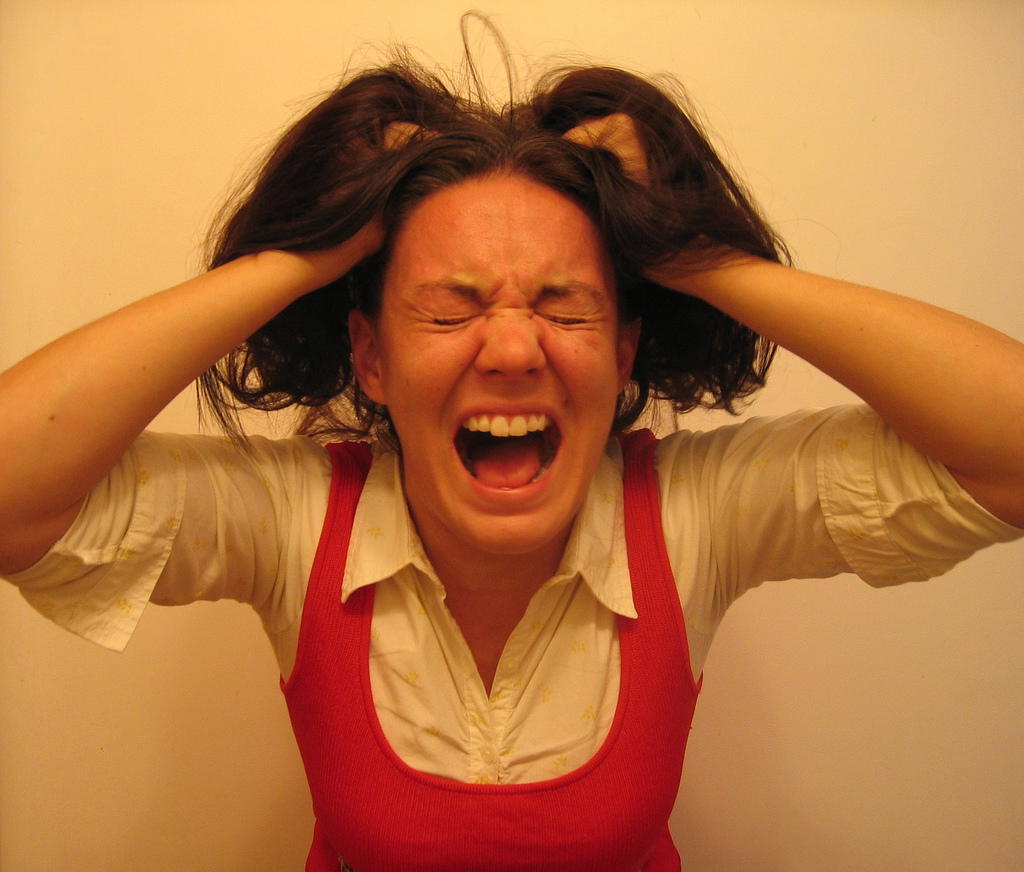
9 Ways to Deal with Stress; Stress Management Techniques
Chronic stress can lead to mental and physical health conditions. Minimizing your stress exposure is best, but many of us can’t practically eliminate stress – so instead we must learn to manage the stress we do experience.

Specific Phobia
Anxiety in a dangerous situation is healthy; anxiety in a safe situation is not. A phobia is an unreasonable fear that can reduce quality of life. Phobias are very treatable but very few people with specific phobia get help.

Stressed or Anxious? Why (and How) to Control Your Breathing
Find out why anxious breathing makes you feel bad and learn a simple, 30-second Deep Breathing Exercise that restores your inner calm.

25 Ways to Prevent and/or to Cope With Anxiety and Panic Attacks
Try a few of the following real-life tips from panic patients and therapists to prevent anxiety and panic and to retake control when panic strikes.