
Anxiety Statistics – Prevalence Numbers
More than 40 million American adults have an anxiety disorder; making anxiety disorders America’s most common mental health condition.

If you suffer from an anxiety disorder, you certainly do not lack for company – anxiety disorders are America’s number one most commonly occurring mental health disorder.
Most anxiety disorders are very treatable but most people with these conditions never get appropriate treatment. If you are one of the more than 40 million Americans who sufferers with any form of anxiety disorder in any given year, get help and get better!
Who Gets Anxiety?
- In any year, 40 million adults (over the age of 18) experience an anxiety disorder, making anxiety disorders America’s most prevalent mental health disorder.
- Anxiety disorders rob the US economy of roughly 40 billion dollars per year in lost productivity (Journal of Clinical Psychiatry, July 1999)
- 75% of people with anxiety disorders experience the first symptoms of that disorder before the age of 21.5 years.
- 6.8 million Americans suffer with generalized anxiety disorder (twice as many women as men endure the condition)
- 19.2 million American adults have specific phobia (twice as common amongst women)
- 15 million American adults have social phobia and many of these men and women (women are twice as likely to have the disorder) also suffer a concurrent substance abuse problem or additional anxiety or mood disorder.
- 7.7 million Americans adults have PTSD
- 2.2 million American adults fight OCD
- 6 million American adults have panic disorder and many more experience panic attacks. More than 30% of people with panic disorder will develop agoraphobia.
Unless otherwise indicated, all statistics are sourced from the National Institute of Mental Health’s Publication on Anxiety Disorders
Editor’s picks

PTSD - Post Traumatic Stress Disorder
Answering some frequently asked questions about Post Traumatic Stress Disorder (PTSD).
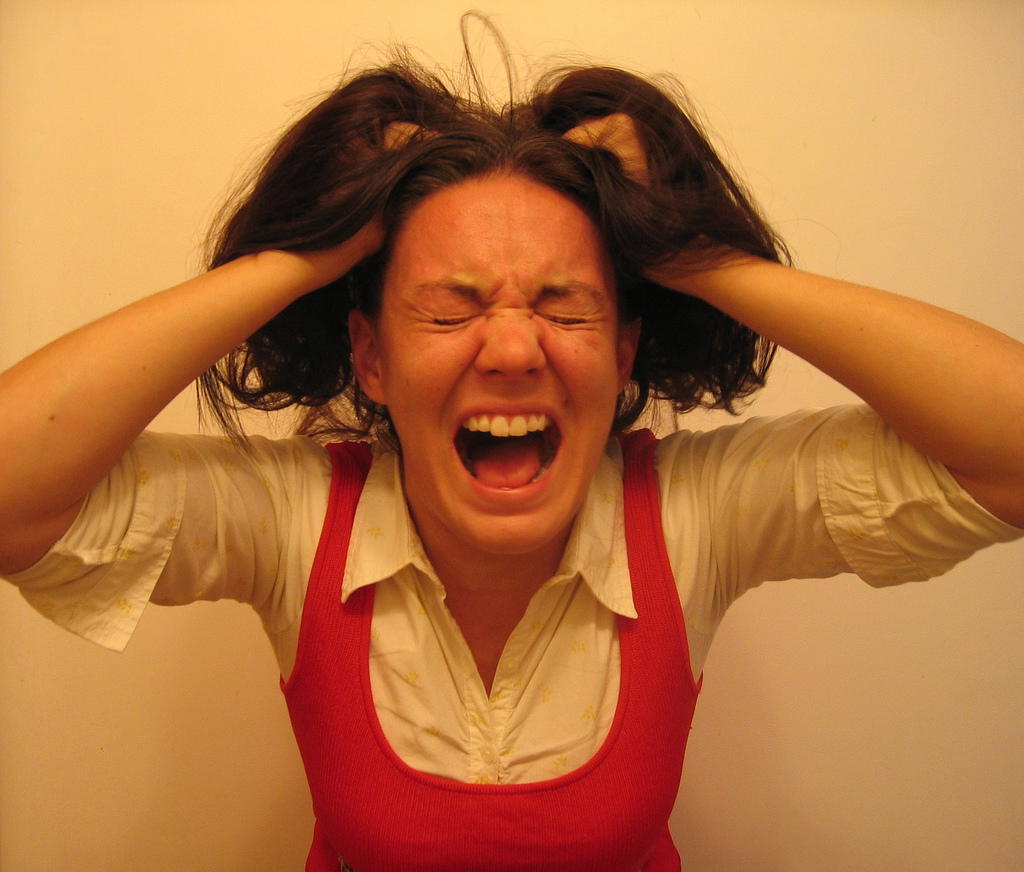
9 Ways to Deal with Stress; Stress Management Techniques
Chronic stress can lead to mental and physical health conditions. Minimizing your stress exposure is best, but many of us can’t practically eliminate stress – so instead we must learn to manage the stress we do experience.
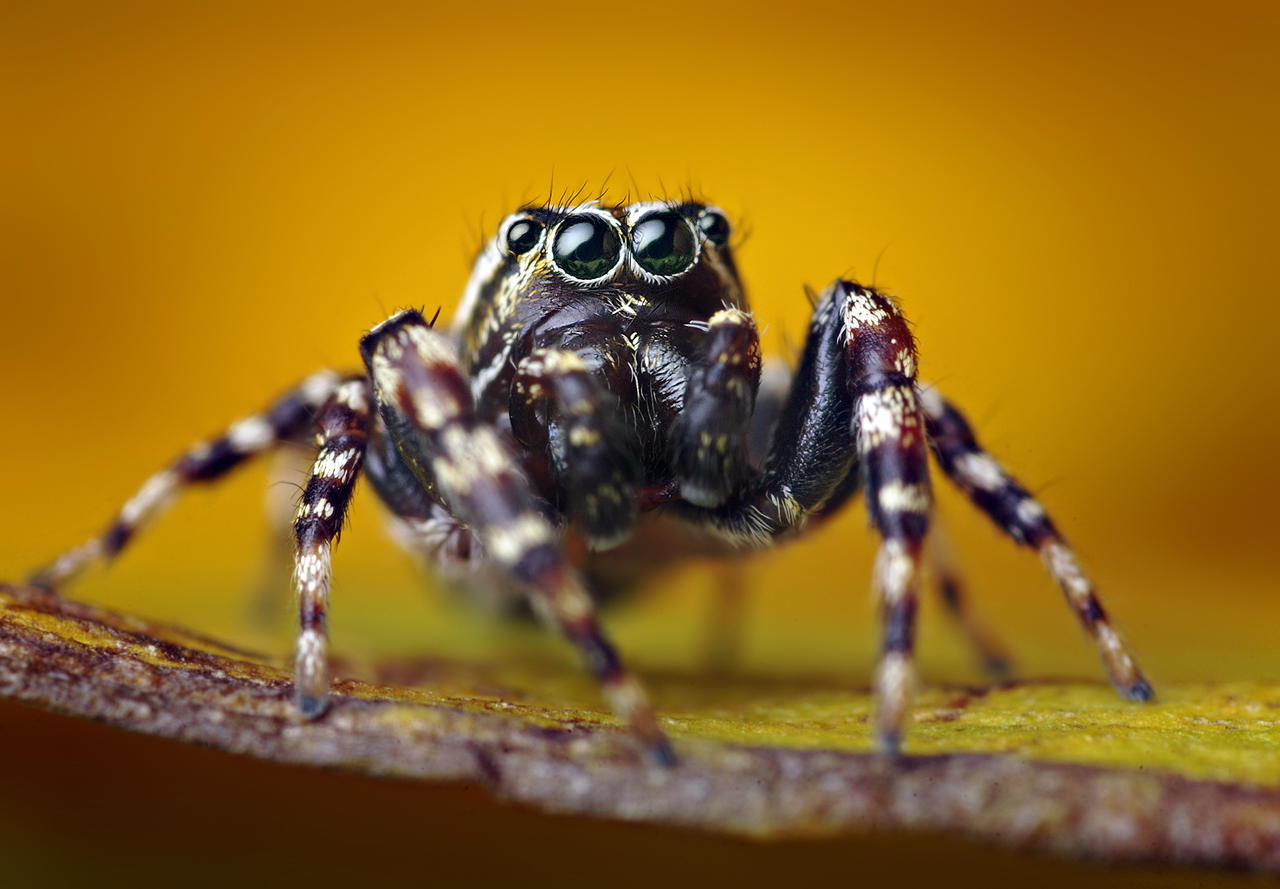
Specific Phobia
Anxiety in a dangerous situation is healthy; anxiety in a safe situation is not. A phobia is an unreasonable fear that can reduce quality of life. Phobias are very treatable but very few people with specific phobia get help.

Stressed or Anxious? Why (and How) to Control Your Breathing
Find out why anxious breathing makes you feel bad and learn a simple, 30-second Deep Breathing Exercise that restores your inner calm.

25 Ways to Prevent and/or to Cope With Anxiety and Panic Attacks
Try a few of the following real-life tips from panic patients and therapists to prevent anxiety and panic and to retake control when panic strikes.