Alcohol and Anxiety – Why They Don’t Mix
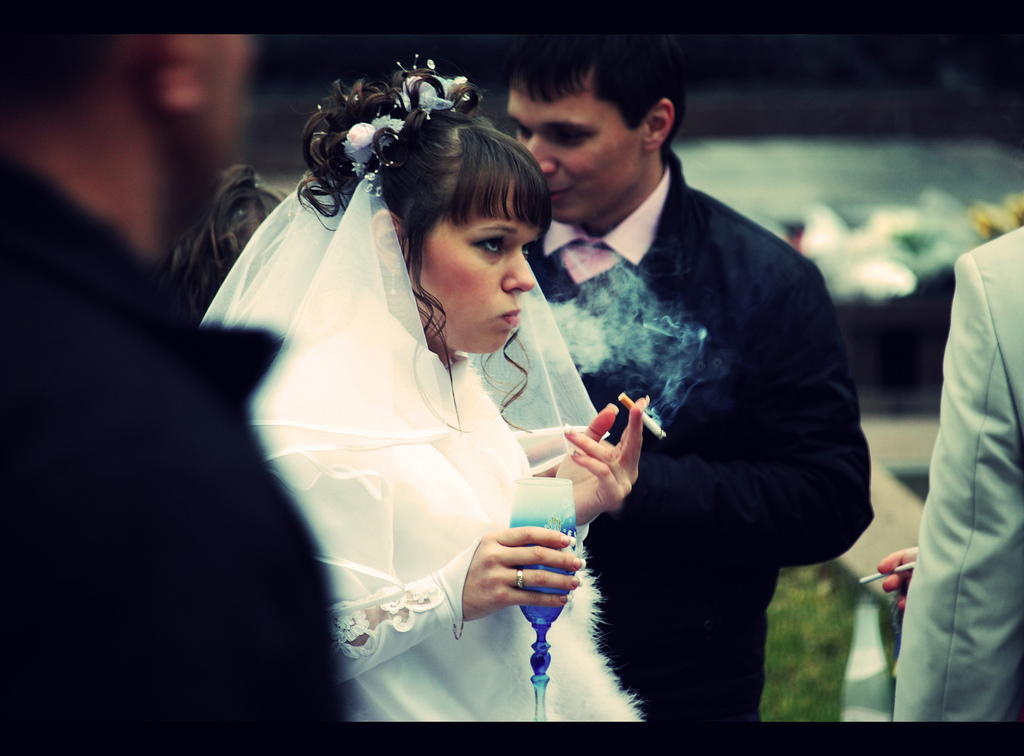
Although a drink or two can reduce anxiety temporarily, in general, alcohol makes anxiety worse; and sometimes significantly so.

Alcohol is a no-no for most people with anxiety disorders, but people who experience anxiety, particularly disorders like PTSD, social anxiety disorder and panic disorders, are 2 to 3 times more likely than people in the general population to develop a substance abuse problem.
People with anxiety are clearly drawn to the use of alcohol and drugs, but how does a substance (alcohol) that temporarily abates anxious feelings actually exacerbate these conditions?
Reasons Why Heavy Alcohol Use and Anxiety Don’t Mix
- Many people find that while alcohol can temporarily reduce symptoms of anxiety, the day after alcohol use, anxiety symptoms rebound with severity. There can be a real temptation to counter these exacerbated anxiety symptoms with alcohol once again, and this can start off a very negative spiral into alcohol abuse or alcoholism.
- Binge drinking can cause physiological changes in the body that can trigger a panic attack
- People abusing alcohol (or other drugs) may be less compliant on anxiety treatments, such as medications; and even if taking these medications as directed, alcohol may lessen their efficacy.
- Alcohol withdrawal symptoms (which can include anxiety) can induce (or awaken) an anxiety disorder in some people. People who suffer from an anxiety disorder may endure more severe alcohol withdrawal symptoms
- People abusing alcohol may cause themselves family, workplace or legal problems that serve to increase anxiety provoking thoughts
Don’t cope with anxiety through the use of alcohol or drugs. Although a tempting self-medication solution, these substances always make things worse.
If you find that you do have a problem with both anxiety and alcohol or drug abuse/addiction, remember that treatment for the two conditions needs to be integrated to be effective.
Editor’s picks
PTSD - Post Traumatic Stress Disorder
Answering some frequently asked questions about Post Traumatic Stress Disorder (PTSD).
9 Ways to Deal with Stress; Stress Management Techniques
Chronic stress can lead to mental and physical health conditions. Minimizing your stress exposure is best, but many of us can’t practically eliminate stress – so instead we must learn to manage the stress we do experience.
Specific Phobia
Anxiety in a dangerous situation is healthy; anxiety in a safe situation is not. A phobia is an unreasonable fear that can reduce quality of life. Phobias are very treatable but very few people with specific phobia get help.
Stressed or Anxious? Why (and How) to Control Your Breathing
Find out why anxious breathing makes you feel bad and learn a simple, 30-second Deep Breathing Exercise that restores your inner calm.

25 Ways to Prevent and/or to Cope With Anxiety and Panic Attacks
Try a few of the following real-life tips from panic patients and therapists to prevent anxiety and panic and to retake control when panic strikes.