Codeine and Promethazine Cough Syrup Addiction and Withdrawal
Syrup, syzurp, lean - whatever it's termed - it's dangerous, addictive and the detox is tough.

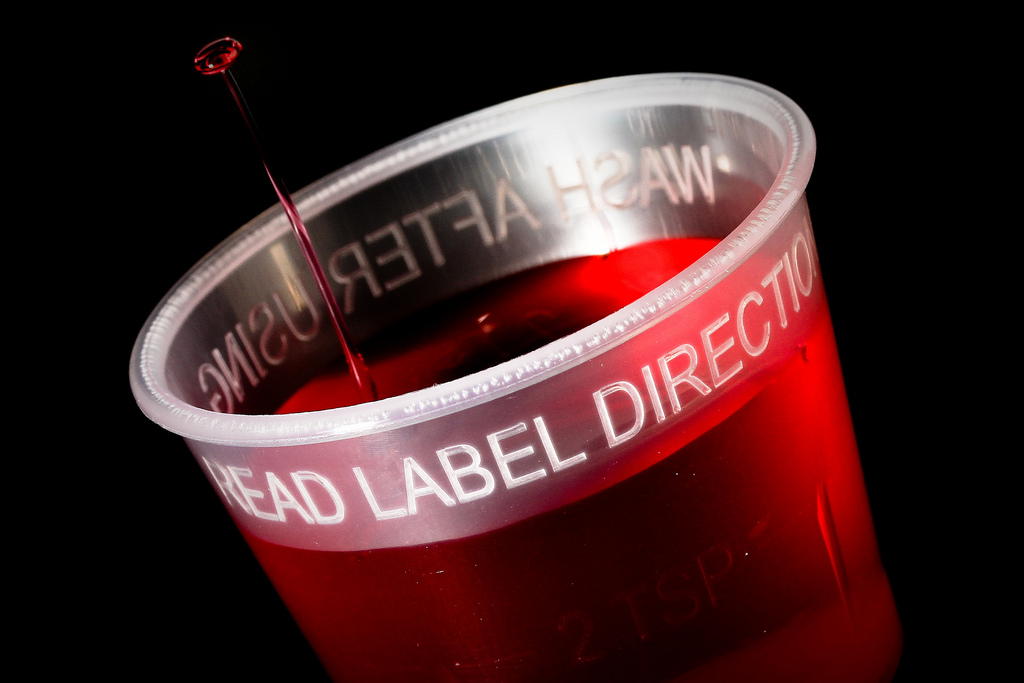
Prescription cough syrups containing codeine and promethazine offer potent cough suppression to legitimate users, and a euphoric high when abused.
Also known as syrup, syzurp, lean and purple sprite, users mix a small quantity of cough syrup with a soda, and often a hard candy, and sip on the narcotic cocktail feeling it's slowing, relaxing and mood lifting effects. While made famous in Houston Texas, and still a serious challenge there, experts now see use of the drug radiating outwards across the country.
It's relatively cheap, perceived as cool and gives a very enjoyable narcotic high – but like all narcotics, it's also very addictive, and when taken in large quantities, can be lethal.
Risks of Overdose
Both codeine and promethazine work as central nervous system depressants – working together to intensify the pleasant and very relaxed high of the drug. This combined sedative effect increases the risks of overdose however, as both drugs will slow respiratory activity. There have been several high profile deaths involving an overdose of cough syrup – deaths that seem to have had little effects as a deterrent across youth culture.
Cough Syrup Addiction
Codeine is a derivative of morphine, and although less potent than heroin will produce a similar type of dependency. Houston youths questioned about their "syrup" use reported feeling addicted to cough syrup after abusing it only once. Once addicted, users will need to consume the drug multiple times daily and will develop a tolerance, needing more of the drug to experience the same effects, and increasing the risks of overdose.
Cough Syrup Withdrawal
With a cessation of use, the user will enter quickly into a state of withdrawal. A codeine withdrawal, similar to a heroin withdrawal, is characterized by symptoms of nausea, pain, anxiety, diarrhea, insomnia and irritability. Symptoms will last for a few days with intensity, before subsiding. All opiate addicts (codeine is an opiate) may choose to use methadone or buprenorphine as an alternative to a quick detoxification.
Withdrawal pains are extremely unpleasant.
A codeine and promethazine addict will likely need some help to get better. Some can do it alone, cold turkey, but for most, the pains of detox and the cravings to use overwhelm good intentions and willpower. Detox is tough, but there are medications and therapies that can help – and make more humane an otherwise tortuous few days.
Even after detoxified though, those that receive no relapse avoidance therapy are likely doomed to repeat the pains of opiate detoxification. Users in recovery can expect a period of strong, but gradually lessening cravings. Participating in a formal program of recovery can help a lot, and gives recovering syrup addicts the tools they'll need to make it through the first tough months. Addicts can attend addiction treatment therapies on an in or outpatient basis.
Even brief experimentation with codeine containing cough syrup can lead to a tough and painful addiction. The recreational abuse of cough syrup can also be fatal, and the line between a great high and respiratory failure, and death, is a fine and scary one.
Those suffering an addiction should consider detoxing under medical supervision, for safety and increased comfort – and detox without therapy offers a very shaky foundation for a drug-free life.
Editor’s picks
Cocaine Addiction - What Happens in the Brain? Why Is It So Hard to Just Stop?
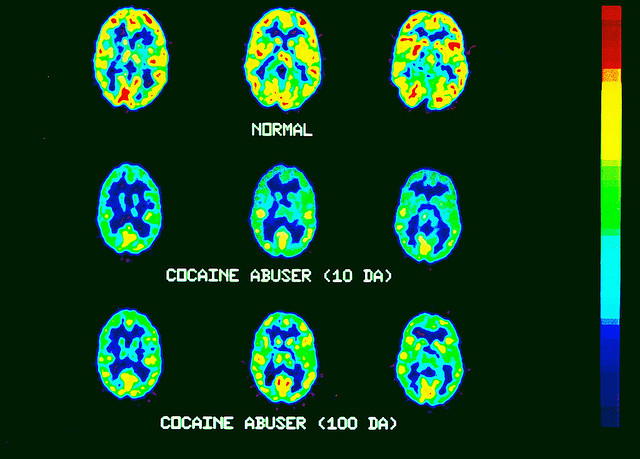
Learn how gradual and imperceptible changes to the brain’s structure and function lead people steadily from recreational use to heavier use to addiction.

Addicted to Alcohol? Learn About Alcoholism & Treatment
The difference between alcohol abuse and alcohol addiction (alcoholism), what puts you at risk of becoming an alcoholic and what to do once you’ve crossed that invisible line to addiction.

A 2 Question Drug Abuse Test That Predicts Your Odds of Having a Problem
Drug abuse test: do you have a substance use disorder? Well, if you’re not sure, answer the following 2 questions honestly and find out – 92.3% of people that can answer no to both questions do not have a problem.

Oxycontin Addiction Treatment: Rehab or Suboxone/Methadone?
This article examines the different treatment options for Oxycontin addiction. It looks at who should go to rehab versus who should go to Medication Assisted Treatment like Suboxone or methadone treatment. An explanation is given for what each treatment is and what would be expected of the addict for each option.

The Dangers of Cocaine Use while on Suboxone or Methadone
Here are 4 excellent reasons to avoid cocaine use while on Suboxone/methadone: cocaine reduces the effectiveness of Suboxone or methadone (which means more opiate withdrawals), increased risk of overdose, poly-drug addiction and resumption of a drug seeking lifestyle.