
APA Recognizes and Describes Marijuana Withdrawal Syndrome
Although for years people believed that marijuana wasn’t addictive, we now know that a small percentage of people will become marijuana dependent. For years researchers also believed that quitting marijuana resulted in no syndrome of withdrawal symptoms – but a growing body of research evidence now shows that marijuana withdrawal symptoms are very real and that they can be very serious. In light of this evidence, the American Psychiatric Association has proposed including cannabis dependence in the upcoming edition of the DSM-V. Here are the proposed DSM-V diagnostic criteria for marijuana withdrawal.

About 10% of people who ever use marijuana will become dependent on it at some point in life.
Those that become dependent will experience symptoms like continuing to use the drug despite realizing the harms it does to physical, mental or social well being, or experiencing strong drug cravings (heavier smoking increases the risks of dependence).1
For a long time, however, both researchers and marijuana users believed that quitting marijuana resulted in no or very minimal symptoms of withdrawal.
Research evidence from the last couple of decades, likely fueled by ever increasing cannabis potency, has shown pretty conclusively that marijuana withdrawal symptoms are real and that they can be serious enough to impair a person’s ability to get clean on his or her own.
In light of this growing body of evidence, The American Psychiatric Association (APA) has proposed adding marijuana withdrawal to the coming edition of the bible of psychological classification, the Diagnostic and Statistical Manual of Mental Disorders, the DSM- V.
The Proposed Diagnosis of Marijuana Withdrawal Symptoms for the DSM-V
Under the proposed guidelines, a person would be diagnosed with marijuana withdrawal symptoms if he or she:
1. Had recently stopped using marijuana after having used it heavily for a long time
2. Experiences at least 3 of the following withdrawal symptoms within several days of stopping marijuana use:
- Anger, irritability or feelings of aggression
- Depressed mood
- Feelings of restlessness
- A loss of appetite (or weight loss)
- Insomnia or other sleeping problems
- Feelings of anxiety or nervousness
- Physical symptoms of withdrawal, such as headache, stomach pains, increased sweating, fever, chills or shakiness. To count as a symptoms of withdrawal at least one of the above listed physical symptoms must be present and the severity of the symptom(s) must be great enough to cause substantial discomfort
3. The symptoms of withdrawal are severe enough to cause the person substantial problems with functioning at work or in social situations – or significant impairment in functioning in other important areas
4. The symptoms of withdrawal cannot be better explained by another physical or mental health condition2
References
- 1. Cannabis and Mental Health: Universities of Queensland and Sydney and St. John of God Hospital, DSM V Substance Use Disorders Workgroup American (archived from acar.net.au, 2011)
- 2. Psychiatric Association: DSM-V Proposed Revisions, R 25, Cannabis Withdrawal (archived from dsm5.org, 2011)
Editor’s picks
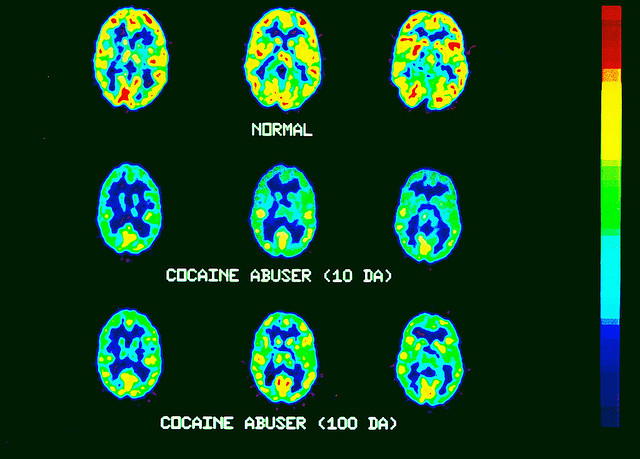
Cocaine Addiction - What Happens in the Brain? Why Is It So Hard to Just Stop?
Learn how gradual and imperceptible changes to the brain’s structure and function lead people steadily from recreational use to heavier use to addiction.

Addicted to Alcohol? Learn About Alcoholism & Treatment
The difference between alcohol abuse and alcohol addiction (alcoholism), what puts you at risk of becoming an alcoholic and what to do once you’ve crossed that invisible line to addiction.

A 2 Question Drug Abuse Test That Predicts Your Odds of Having a Problem
Drug abuse test: do you have a substance use disorder? Well, if you’re not sure, answer the following 2 questions honestly and find out – 92.3% of people that can answer no to both questions do not have a problem.

Oxycontin Addiction Treatment: Rehab or Suboxone/Methadone?
This article examines the different treatment options for Oxycontin addiction. It looks at who should go to rehab versus who should go to Medication Assisted Treatment like Suboxone or methadone treatment. An explanation is given for what each treatment is and what would be expected of the addict for each option.

The Dangers of Cocaine Use while on Suboxone or Methadone
Here are 4 excellent reasons to avoid cocaine use while on Suboxone/methadone: cocaine reduces the effectiveness of Suboxone or methadone (which means more opiate withdrawals), increased risk of overdose, poly-drug addiction and resumption of a drug seeking lifestyle.