
What Is Suboxone?
Suboxone is an opiate replacement drug that takes away opiate withdrawal symptoms and drug cravings without getting you high. Suboxone is a medication that works similarly to methadone, but unlike methadone, it can be taken home in month long doses and it doesn’t cause such a difficult withdrawal. If you’re addicted to opiates, Suboxone can get you feeling normal again so you can get your life back on track.

Suboxone is an FDA approved medication that is used to help people stop abusing opiate drugs.
Suboxone helps people by taking away the symptoms of opiate withdrawal and drug cravings that are normally associated with quitting or reducing use. Suboxone is an opiate replacement drug. You replace your opiate of abuse (heroin, OxyContin for example) with Suboxone, an opiate that won’t get you high but that will keep you from feeling sick.
Suboxone works similarly to methadone, but there are some significant differences. Suboxone can be taken home in month long doses, it is a safer medication than methadone and it is easier to stop using Suboxone than methadone.
What’s in Suboxone?
Suboxone contains 2 active ingredients:
- Buprenorphine
- Naloxone
Buprenorphine is a partial opiate agonist. It enters the brain and fills and activates the opiate receptors, like opiate drugs do. With opiate receptors filled, the body does not go into opiate withdrawal and drug cravings are lessened or eliminated. However, as buprenorphine is only a partial opiate agonist it does not stimulate the opiate receptors enough to cause intoxication in someone with an opiate tolerance.
After you take suboxone, the buprenorphine in the medication fills your opiate receptors and you stop feeling sick, you stop craving drugs and you don’t get high. Using suboxone, you start to feel normal again and you can get your life back on track.
Naloxone is an opiate antagonist that is added to Suboxone to reduce the likelihood of abuse and diversion.
- If you take Suboxone as directed, the naloxone within is not activated and does nothing.
- If you try to abuse Suboxone (injecting it, for example) the naloxone is activated. Once activated, the naloxone fills the opiate receptors in the brain and turns them off all at once. With all opiate receptors inactivated at once, you go into immediate and intense opiate withdrawal. The naloxone blocks other opiates from activating these receptors, so taking opiates after naloxone has no effect – once in a precipitated naloxone withdrawal, there is no reversing it.
The naloxone in Suboxone makes it a difficult drug to abuse. This makes it safer for the user and enables doctors to prescribe this medication in mont- long take home doses. Methadone, which is very easily abused, is much more tightly regulated.
How Do You Get Suboxone?
Suboxone can only be prescribed by doctors that are specially licensed to do so, and these doctors can only prescribe Suboxone to a limited number of patients. Ask your doctor for a referral to a Suboxone prescribing doctor, or visit the Federal Govt. Buprenorphine Physician and Treatment Locator.
Suboxone isn’t a miracle cure to drug addiction. You will still need to work your recovery and staying drug abuse free always takes effort and commitment. Taking Suboxone, however, gets you feeling normal and healthier again in a hurry, and from there you are in a much stronger position to work on your continuing recovery.
Editor’s picks

Methadone Side Effects - What to Expect?
Thinking about using methadone but worried about the side effects? Well, firstly, know that while there are some side effects associated with the drug, it is a very well tolerated medication and most people find the side effects to be very manageable. Secondly, a lot of misinformation surrounds methadone, so some of what you may have heard may be untrue. Learn more about the side effects of methadone and learn if it might be a form of addiction treatment that will work for you.

OTC and Prescription Medications Used to Alleviate Suboxone Withdrawal Symptoms
A list of SAMHSA recommended medications for managing the withdrawal symptoms that occur during Suboxone tapering.
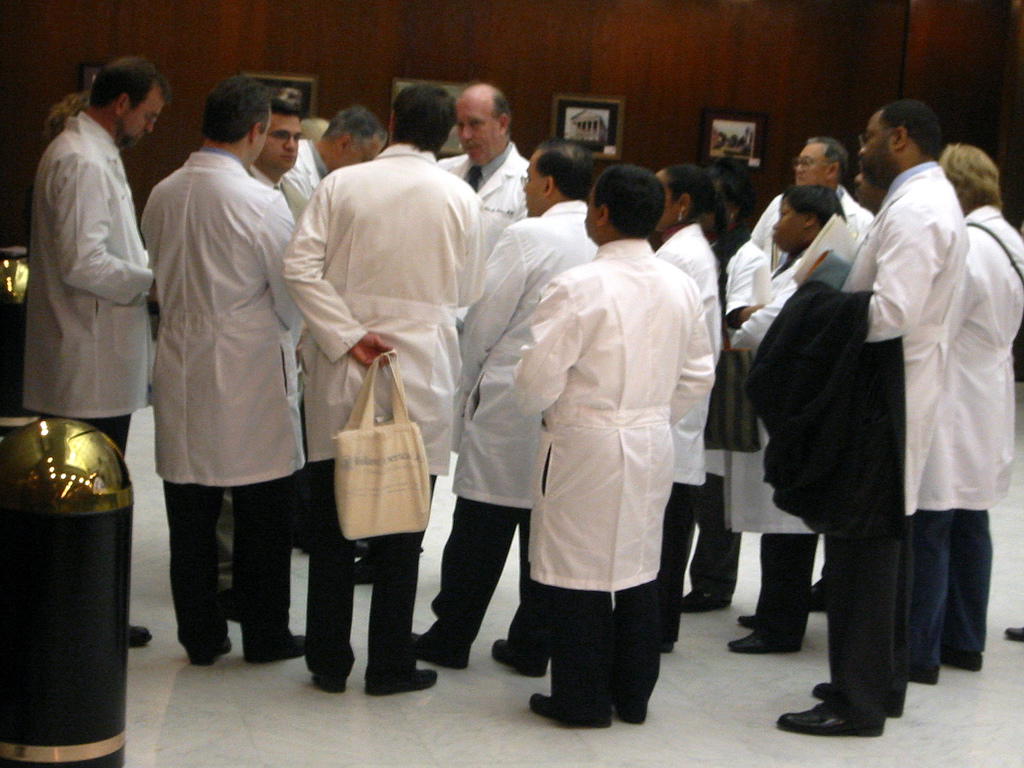
Why Is It Sometimes Hard to Find a Suboxone Doctor? The 100 Patient Limit
The DATA 2000 Act made it possible for doctors to treat opiate addiction with controlled substances from clinics and private offices. Office based treatment with Suboxone is convenient and perfectly suited to the needs and wants of many considering the recovery process, but frustratingly, it is not always easy to find a doctor capable of prescribing Suboxone in your area. Read on to learn why not all doctors can prescribe this medication and to find out how to find a doctor that can!

Avoiding Methadone Overdose During the Dangerous First 2 Weeks
Your risk of overdose is higher during the first 2 weeks on methadone than it was before you started. Learn how to stay safe until you get stabilized.
MAT Tapering - Don't Get Stuck! How to Avoid Common Pitfalls.
If you choose to taper, don't trip-up on common problems - learn how to handle fear, complacency, physical/emotional withdrawal and cravings.