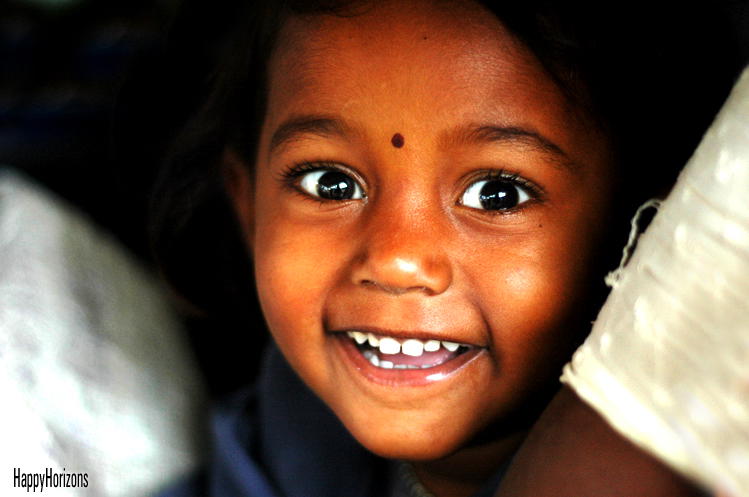
No Diets! How Parents Can Help Kids Learn Healthy Eating Habits
Teach your kids to love their bodies - start by loving your own! Learn why what parents do matters a whole more than what we say, and put into practice easy strategies to keep your kids safe from eating disorders.

Teens learn eating disorder behaviors, and often, they learn them in the home from a young age, and from well meaning parents or relatives. No one single factor causes an eating disorder, but kids that learn good eating habits, a healthy body image and great self esteem in the home, are almost completely inoculated against the risks.
Kids aren’t great listeners, but they sure watch what we do! You can talk all you want, but ultimately, your actions carry far more influence than your words, and through positive modeling you can help your kids stay safe.
Great Eating Disorder Prevention Strategies
- Don’t diet! Having a parent or relative that diets teaches kids that controlling food intake is a good way to be happy. There is no greater familial risk factor for eating disorder promotion than a culture of dieting within the family.
- Be comfortable with your body. Learn to love your own body so your kids won’t be ashamed of theirs – whatever shape it comes in. Teach your kids that appearance and body size are just a small and relatively insignificant part of a person, and enjoy your life in your body - your kids are watching!
- Never criticize anyone else for their appearance. Making fun of anyone, whether a stranger or someone in the family, and whether done in fun or not – reinforces the importance of being thin, and the consequences of not being "ideal".
- Never allow teasing based on body size. Although siblings will tease each other, and there's not a whole lot you can do to put a stop to it completely, never allow them to tease based on weight, or physical appearance. It can be hurtful – and it can linger.
- Model healthy eating. Eat as a family, at the table, and eat healthy but satisfying meals. Don't count fat or calories, just eat sensibly. Enjoy eating, food is delicious and pleasurable – it should never be anything but!
- Model healthy activity. If you don’t want your kids parked on the couch – make sure you get off it too.
- Just as you would never criticize a teen for being too fat, you should be careful with praise based on appearance – they tend to send the same kind of message. You never want your child's self worth tied to weight or looks, so compliment them on areas that really matter.
Be happy in your body, satisfied and sated at the table and healthy in your activity choices. Be a good role model – and you do so much to prevent against the tragedy of an eating disorder.
Editor’s picks

Orthorexia: An Unhealthy Obsession with Healthy Eating
Did you know the fixation with healthy eating can spell disaster? Don't let your diet control your life. Learn about Orthorexia: The obsession with correct eating.
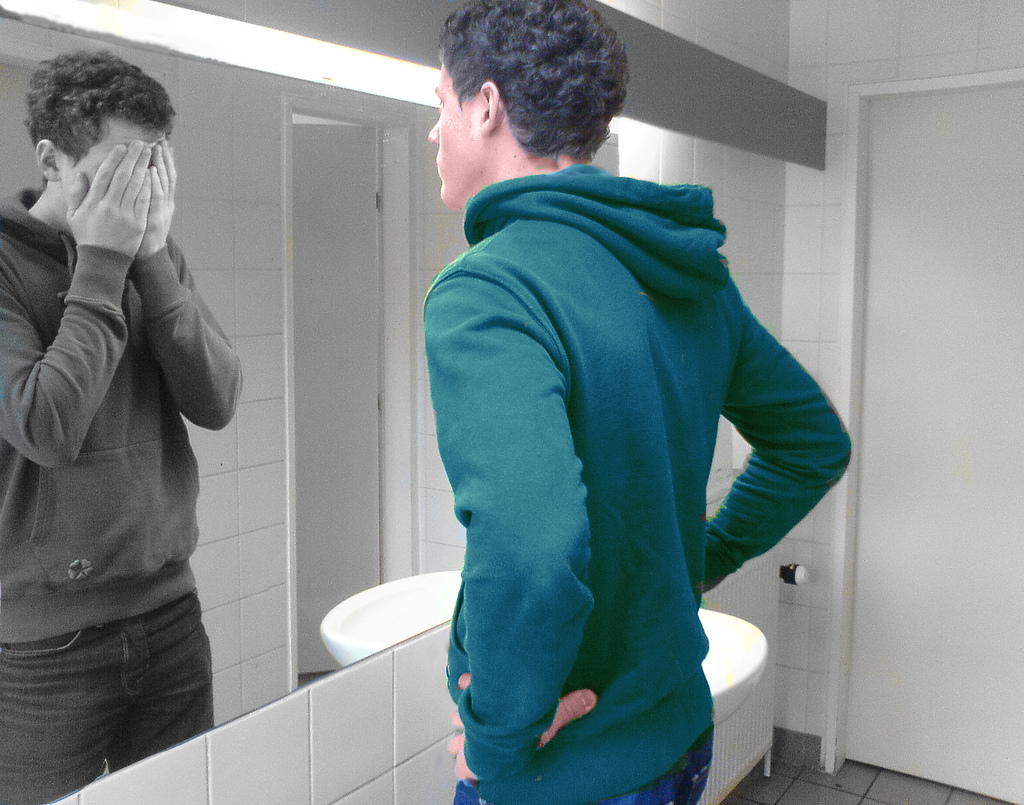
Body Dysmorphism Disorder (BDD) - Symptoms, Dangers and Treatments
People with BDD are fixated on a certain part of their face, or body - believe it to be very ugly and noticeable, and worry about it enough to influence quality to of life. In extreme cases, BDD can cause social isolation or even suicide. Understand BDD, and learn how treatment can help.
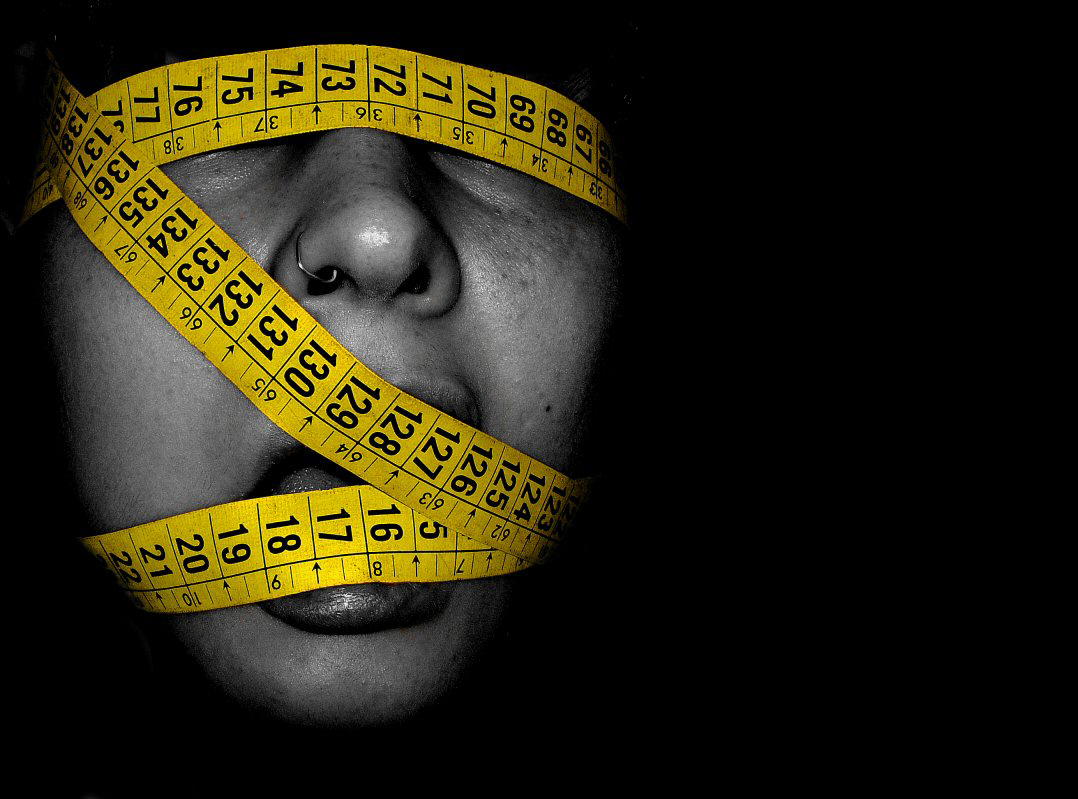
Anorexia Nervosa - Signs, Symptoms and Risks
Anorexia nervosa, the deadliest mental-health disorder, is a fixation on weight control - literally a form of self starvation. Learn the signs, symptoms and risks of the disease.
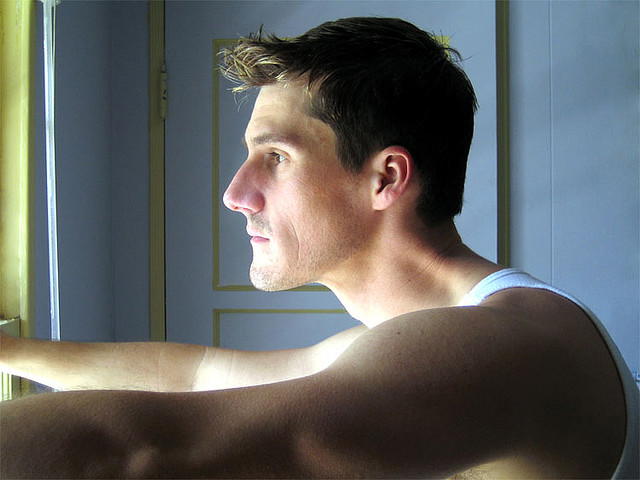
Eating Disorders in Men - More Common Than You Think
Almost 1 million American men suffer an eating disorder.
Excessive Exercise - 15 Warning Signs of Compulsive Exercise
Are you a healthy exerciser or do family and friends express concern at how often, how long and how hard you train? Is exercise fun for you, or is it something you NEED to do so you don’t feel guilty, anxious and depressed? Learn more about the warning signs of compulsive exercise and learn better and more joyful ways to weave fitness and health into your lifestyle.