GHB (Gamma-Hydroxybutyrate) Addiction
An addiction to GHB can develop in only weeks of heavy use, and once addicted, GHB addicts face a serious and possibly dangerous syndrome of withdrawals.

Maybe because the hangover after a night of GHB clubbing isn't as severe as for alcohol, people underestimate the addictive dangers of the club drug GHB – but GHB, when taken to excess over a period of weeks, can cause a psychological and physical addiction, with a serious syndrome of withdrawals.
Heavy regular users of GHB will develop a tolerance to the intoxicating effects of the drug and will need to take more and more GHB to get the same high. The beginnings of tolerance are the beginnings of addiction, and an addiction to GHB can happen fast.
Casual users are not greatly at risk for addiction (although they are at risk for a potentially fatal overdose) but anyone taking the drug daily, or especially if consuming the drug more than once a day for a period of weeks, will likely develop a physical dependence on the drug.
GHB Dependence and Withdrawal
Once addicted, any attempt to stop using the drug will result in an almost immediate withdrawal symptoms (in as little as one hour). Symptoms of withdrawal will vary in intensity depending on the length and intensity of the GHB habit, but will last from between 5 and 15 days, and can include:
- Insomnia
- Anxiety
- Tachycardia
- Sweating
- Psychosis
- Bone
and muscle pains
- Tremor
- Confusion
- Nausea and vomiting
At least one patient is thought to have died from severe GHB withdrawals.
GHB in the Brain
GHB gets you high by influencing multiple systems in the brain (this accounts for the peculiar sensation of speeding and slowing simultaneously while high.)
GABA
GHB interacts with the GABA systems of the brain and this causes its sedative effects. The GABA system is the same as is affected by alcohol or benzodiazepines, and although the interactions with GHB are slightly different, the syndromes of withdrawal off of drugs like alcohol and GHB are quite similar - and dangerous.
Dopamine
GHB also interacts directly with dopamine systems in the brain and it is speculated that the intense and dangerous hallucinations experienced in severe withdrawals result from a distortion in these dopamine systems.
GHB Addiction
In addition to the development of a serious and possibly dangerous physical dependence, heavy GHB users will likely develop an addiction to the GHB high..
GHB detox and withdrawal may need to occur under medical supervision, and GHB addiction treatment should never end with the end of detox. Ideally, GHB addicts need to learn coping and relapse prevention strategies to have any real chance at maintaining recovery.
Editor’s picks
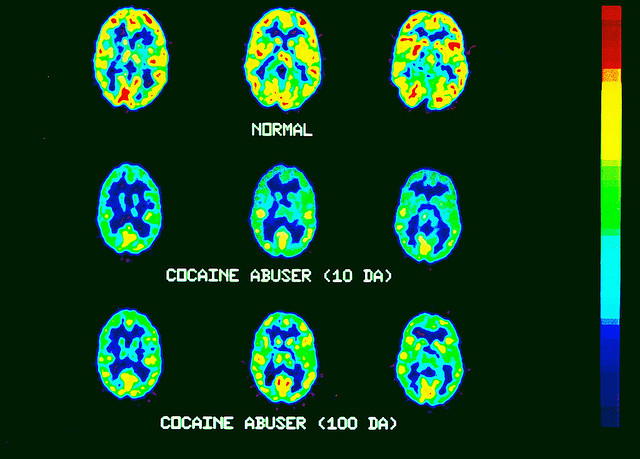
Cocaine Addiction - What Happens in the Brain? Why Is It So Hard to Just Stop?
Learn how gradual and imperceptible changes to the brain’s structure and function lead people steadily from recreational use to heavier use to addiction.

Addicted to Alcohol? Learn About Alcoholism & Treatment
The difference between alcohol abuse and alcohol addiction (alcoholism), what puts you at risk of becoming an alcoholic and what to do once you’ve crossed that invisible line to addiction.

A 2 Question Drug Abuse Test That Predicts Your Odds of Having a Problem
Drug abuse test: do you have a substance use disorder? Well, if you’re not sure, answer the following 2 questions honestly and find out – 92.3% of people that can answer no to both questions do not have a problem.

Oxycontin Addiction Treatment: Rehab or Suboxone/Methadone?
This article examines the different treatment options for Oxycontin addiction. It looks at who should go to rehab versus who should go to Medication Assisted Treatment like Suboxone or methadone treatment. An explanation is given for what each treatment is and what would be expected of the addict for each option.

The Dangers of Cocaine Use while on Suboxone or Methadone
Here are 4 excellent reasons to avoid cocaine use while on Suboxone/methadone: cocaine reduces the effectiveness of Suboxone or methadone (which means more opiate withdrawals), increased risk of overdose, poly-drug addiction and resumption of a drug seeking lifestyle.