South Dakota Drug & Alcohol Rehab Centers
40+ treatment centers in South Dakota
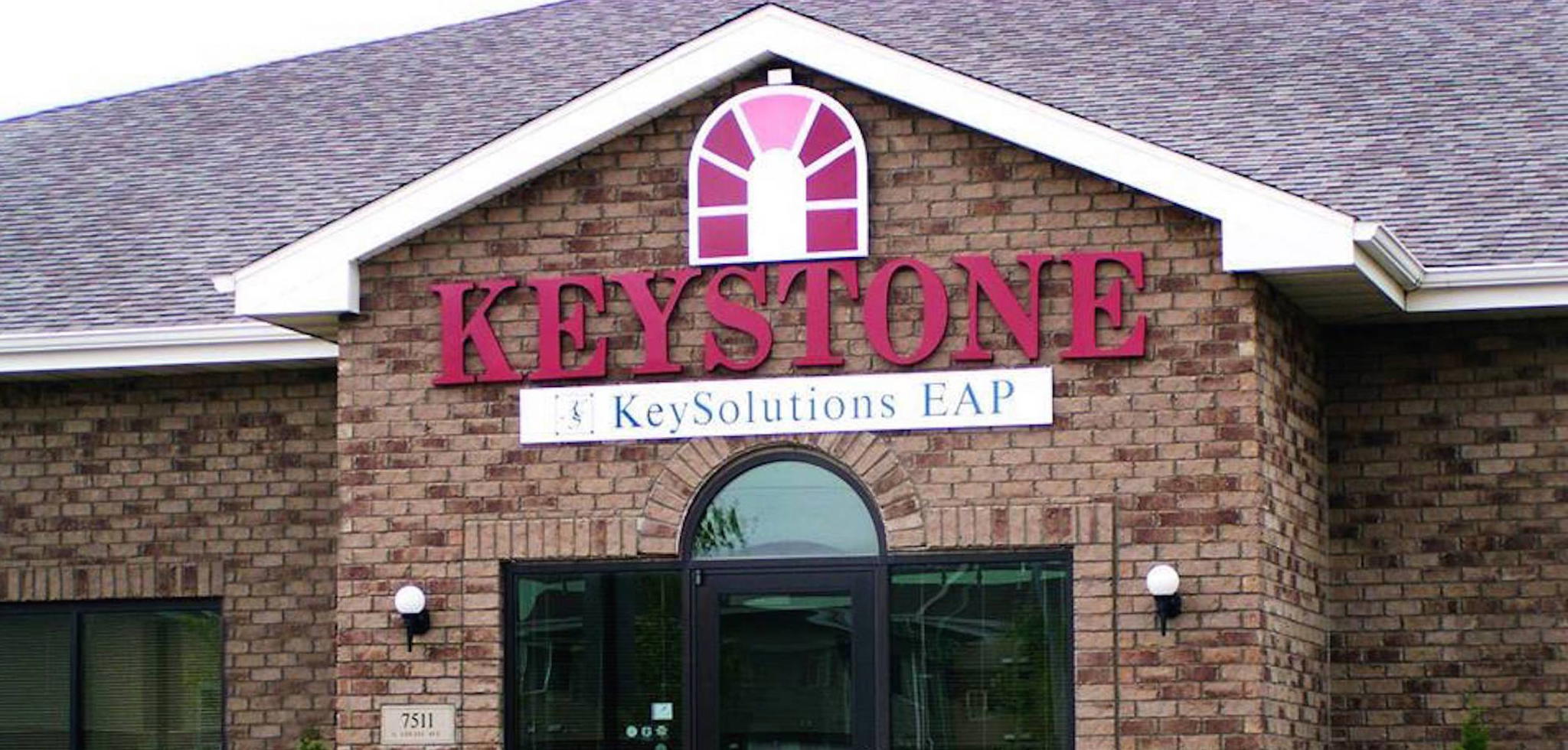
Canton, South Dakota
Treatment CenterOpioid Treatment Program
A premier residential and outpatient drug & alcohol rehab center, located in Canton, South Dakota. The Keystone treatment center offers alcohol, drug and gambling treatment programs for adults, young adults and teens. On 30 acres of shaded lawns in South Dakota, we offer a rehabilitation atmosphere of quiet dignity, comfort, rest and meditation - all of vital importance for the recovering individual.
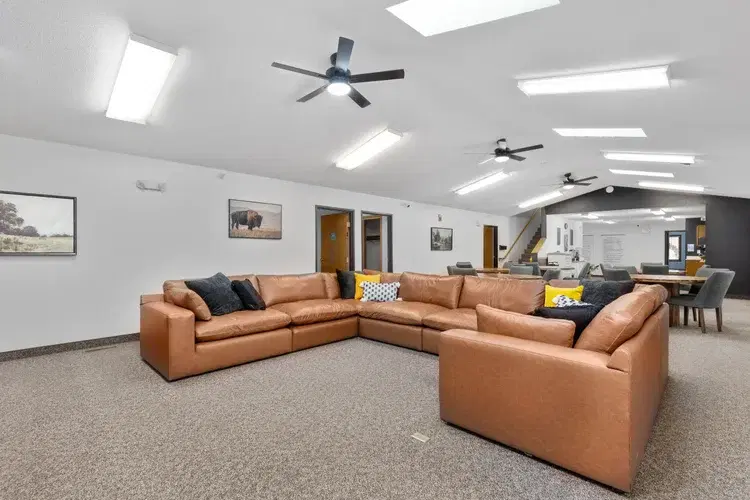
Rapid City, South Dakota
Treatment CenterDetox Clinic
Buffalo Plains Recovery provides ASAM 3.7 medically supervised detox, residential treatment, partial hospitalization and intensive outpatient care from a quiet residential facility on East Fairlane Drive in Rapid City, with same-day admissions available. The program treats alcohol, opioid, stimulant and benzodiazepine dependence and offers medication-assisted treatment for opioid use disorder; it is licensed by the South Dakota Department of Social Services and accredited by the Joint Commission. South Dakota Medicaid and Medicare are accepted, along with most major insurers including Blue Cross Blue Shield, Aetna, Cigna and TRICARE.
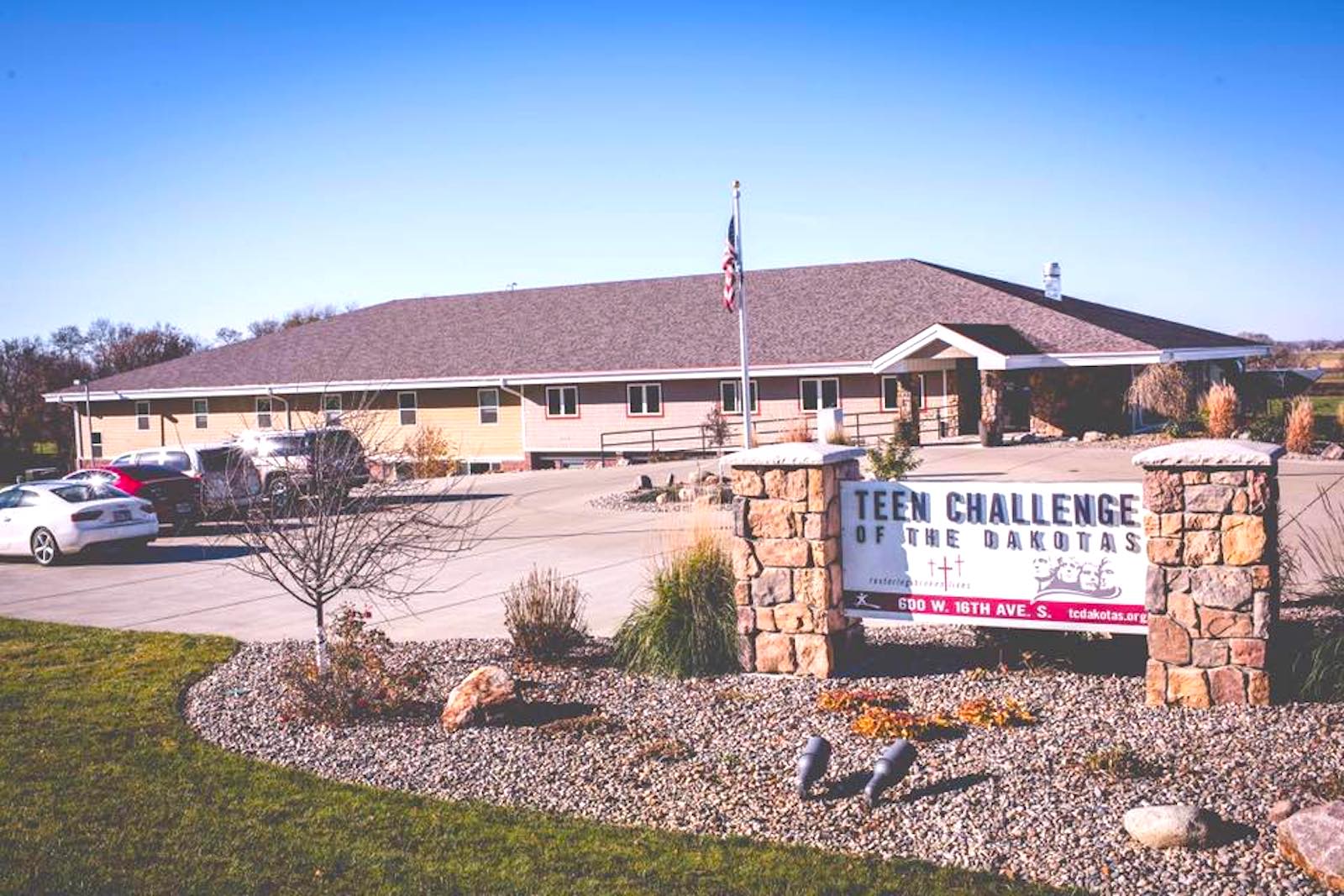
Brookings, South Dakota
$$$$Teen Rehab Program
Teen Challenge of the Dakotas is an adolescent program for criminal justice clients and young adults. We are based in Brookings, South Dakota. Our focus is on Rehab for Young Adults treatment and we further specialize in the provision of a faith-based recovery program and long-term inpatient treatment (30 days+).
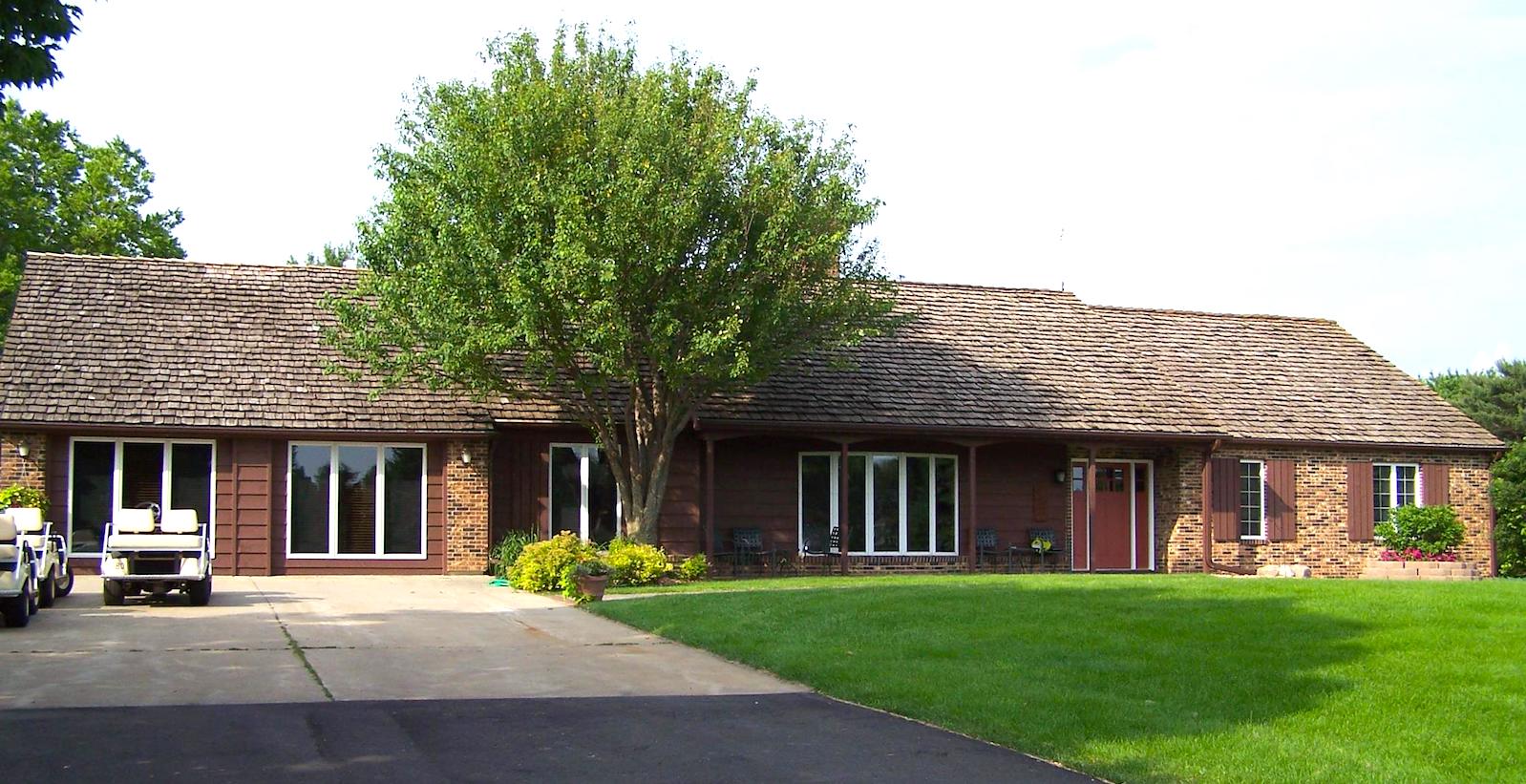
Sioux Falls, South Dakota
$$$$Treatment Center
Tallgrass Recovery & Sober Living Homes is a drug and alcohol rehab for adults. Payment assistance is available - check with facility for details.
Rapid City, South Dakota
Treatment CenterMental Health Center
Behavior Management Systems, operating as West River Mental Health, provides residential substance use treatment alongside a full spectrum of behavioral health services in Rapid City, South Dakota. Its programs include counseling, psychiatric care, case management, children and family services, emergency mental health, and telehealth, with addiction treatment integrated across service lines. The organization accepts Medicaid, Medicare, and private insurance.
Sioux Falls, South Dakota
Outpatient Rehab
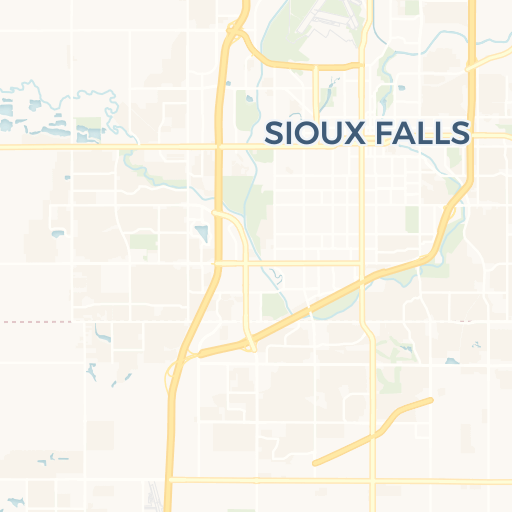
First Step Counseling Services in Sioux Falls offers counseling services and an intensive outpatient program (IOP) for men and women/ boys and girls.
Rapid City, South Dakota
Treatment CenterOutpatient RehabTeen Rehab Program
Children's Home Society of South Dakota traces its work to 1893, when it was founded as the state's first nonprofit social service agency, and its Black Hills Children's Home campus on South Rockerville Road outside Rapid City provides psychiatric residential treatment for children alongside outpatient mental health services including psychiatry and individual, family and group therapy. Each residential campus includes a school certified by the South Dakota Department of Education. The agency is accredited by the Council on Accreditation and licensed by the South Dakota Department of Social Services, and its care is trauma-focused.
Hot Springs, South Dakota
Outpatient Rehab
Addiction Recovery Centers of the Black Hills (ARCBH) provides intensive outpatient treatment for adults in Hot Springs and Rapid City, South Dakota. IOP groups meet weekday evenings with telehealth sessions available, and the program includes continued-care counseling, DUI classes, gambling assessments and EMDR. ARCBH accepts Medicare, military coverage and offers a sliding fee scale.
Spearfish, South Dakota
Treatment CenterMental Health Center
Lutheran Social Services of South Dakota is a nonprofit organization providing residential behavioral health services for youth and families in Spearfish. Its broader mission spans adoption, foster care, mentoring, juvenile justice services, and family stabilization across the state, with residential treatment as part of its continuum of care for children and adolescents. LSS of South Dakota accepts Medicare.
Rapid City, South Dakota
Outpatient Rehab
Addiction Recovery Centers of the Black Hills (ARCBH) provides intensive outpatient treatment (IOP) for adults struggling with substance use disorders in Rapid City, South Dakota. The program delivers structured therapy sessions while allowing clients to continue living at home and maintaining work or family commitments. ARCBH accepts Medicaid, Medicare, private insurance, and military insurance.
Sturgis, South Dakota
$$$$6 bedsSober Living Home
Rapid City, South Dakota
$$$$10 bedsSober Living Home
Rapid City, South Dakota
$$$$9 bedsSober Living Home
Rapid City, South Dakota
Teen Rehab Program
Lifeways is an adolescent program. We are based in Rapid City, South Dakota. Our focus is on rehabilitation for young adults, including treatment for opioid addiction. Lifeways further specializes in the provision of an intensive outpatient program (IOP).
Sioux Falls, South Dakota
$$$$8 bedsSober Living Home
Sioux Falls, South Dakota
$$$$8 bedsSober Living Home
Sioux Falls, South Dakota
$$$$8 bedsSober Living Home
Rapid City, South Dakota
$$$$9 bedsSober Living Home
Rapid City, South Dakota
$$$$10 bedsSober Living Home
Sioux Falls, South Dakota
$$$$8 bedsSober Living Home
Own or manage a facility?
Add your location to ChooseHelp
Reach people actively searching for treatment. One flat-fee Sponsored Listing — never per-call, per-lead, or per-admission fees.
Outpatient & sober living $49/mo · Residential $99/mo
Billed monthly · cancel anytime
Paid listings are always labeled as advertising — editorial reviews stay independent.
About treatment in South Dakota
In South Dakota, the public behavioral health system is administered by the South Dakota Department of Social Services, while the Department of Health tracks overdose and alcohol-related deaths. Residents can enter care through community behavioral health centers that are open to people of all ages regardless of ability to pay [sdccbh.org].
Substance use and overdose picture
South Dakota's recent overdose and alcohol data are published in the Department of Health's substance use reports. According to the state's SUDORS reports, there were 65 unintentional and undetermined overdose deaths in 2023 and 73 in 2024, a 12% increase. In 2023, about 47% of overdose deaths involved at least one opioid and 51% involved at least one stimulant; a potential bystander was present in 44% of deaths. The largest proportion of overdose deaths in 2023 were among males, people aged 35 to 44, and people who were White. Alcohol-related deaths rose from 306 in 2023 to 365 in 2024, a 19% increase, and the state reported the third-highest age-adjusted alcohol-related death rate in the country at 31.4 per 100,000 people in 2024 [doh.sd.gov].
Nationally standardized state estimates for substance use and mental health measures are available through the 2023–2024 NSDUH state data tables, but those tables provide multi-year state estimates rather than county-level detail [samhsa.gov].
How the public behavioral health system is organized
The South Dakota Department of Social Services oversees public behavioral health services and publishes guidance on access and funding. Its materials describe a sequence in which a person contacts a local treatment provider, a professional completes an assessment, and recommendations for services follow. Funding may come from insurance, private pay, Medicaid, other third-party payers, or a combination of state and federal funds [dss.sd.gov].
The South Dakota Council of Community Behavioral Health, the statewide association of community behavioral health centers, states that member centers provide mental health and substance use treatment to people of all ages regardless of ability to pay. Services include state-accredited substance use disorder treatment, and staff meet clients in offices, homes, schools, workplaces, or through telehealth. Local crisis lines are staffed around the clock [sdccbh.org].
Paying for care
South Dakota Medicaid is one payer for behavioral health services. Members can select a provider through the state's online system or by calling South Dakota Medicaid at 800.597.1603. If a member does not choose a provider, Medicaid will assign one [dss.sd.gov]. The Department of Social Services also publishes that telehealth is available from some providers, with a list maintained by the agency [dss.sd.gov].
The South Dakota Department of Health's Children and Youth with Special Health Care Needs Program is one route for children with mental illness or chronic conditions, though it is a care-coordination and support program rather than direct treatment funding [doh.sd.gov].
Crisis help and first steps
For immediate crisis, South Dakota residents can use the national 988 Suicide & Crisis Lifeline by calling or texting 988. Community behavioral health centers also maintain local crisis lines available 24 hours a day [sdccbh.org].
The state's access guide describes the first step as contacting a local treatment provider for an assessment, with financial assistance available and cost described as not intended to be a barrier [dss.sd.gov]. For Medicaid members, the provider-selection phone line can help locate a participating provider [dss.sd.gov].
Sources
- Substance Use Data & Reports | South Dakota Department of ...
- Numbers to Know
- South Dakota Council of Community Behavioral Health
- NSDUH State Releases | CBHSQ Data
- Find a Provider
- National Survey on Drug Use and Health (NSDUH)
- Keystone-Treatment-Center-203417 - CARF International
- National Survey on Drug Use and Health
- Keystone-Outreach-Office-212309 - CARF International
- Children’s Health | South Dakota Department of Health
- https://www.healthpartners.com/content/dam/plan/d2c/aep/plan-year-2025/directory-freedom-ndsd-provider-pharmacy-directory.pdf
- National, State, and Local Data Sources Quick Reference ...
- South Dakota Medicaid Therapy Coverage: ABA, Speech & OT (2026)
- Chemical Health - Southwest Health and Human Services
- National Survey on Drug Use and Health (NSDUH) Series