Rehab Centers for Women
700+ treatment programs for women only
Here’s the unfortunate truth – women suffer different addiction consequences, and in most cases, women suffer more .
Read the full guideShow less
Drug & Alcohol Rehab for Women
As family caretakers and due to stigma, guilt and shame, women tend to delay addiction treatment for longer and ultimately pay a higher physical, cognitive and emotional price. Don’t let this happen to you; if you need help, make contact now to find a compassionate recovery environment, and begin a lifelong process of change.
Why Single Gender Treatment?
Men and women have distinct addiction experiences, so gender appropriate treatment makes sense; for example, research shows that:
- Women in treatment are more likely than men to also have co-occurring anxiety, PTSD, depression and eating disorders.
- Women have unique relapse risks, such as more prevalent untreated childhood trauma, self esteem issues, relationships issues and a greater difficulty breaking ties with loved-ones also abusing drugs and alcohol (often a romantic partner).
- Women feel more comfortable revealing sensitive personal information in single gender groups.
- Women form stronger bonds of supportive recovery with peers in a single gender environment.
You can beat addiction, but you have to address emotional issues, unresolved traumas, relationship problems and more before you can truly build a strong life in recovery. A women’s only rehab combines a safe and supportive atmosphere with programming that’s tailored to your unique needs. Don’t wait any longer. Make contact now learn more about how a women’s only rehab can help you achieve your goals.
Showing 1–20 of 700+ results
Page 1 of 39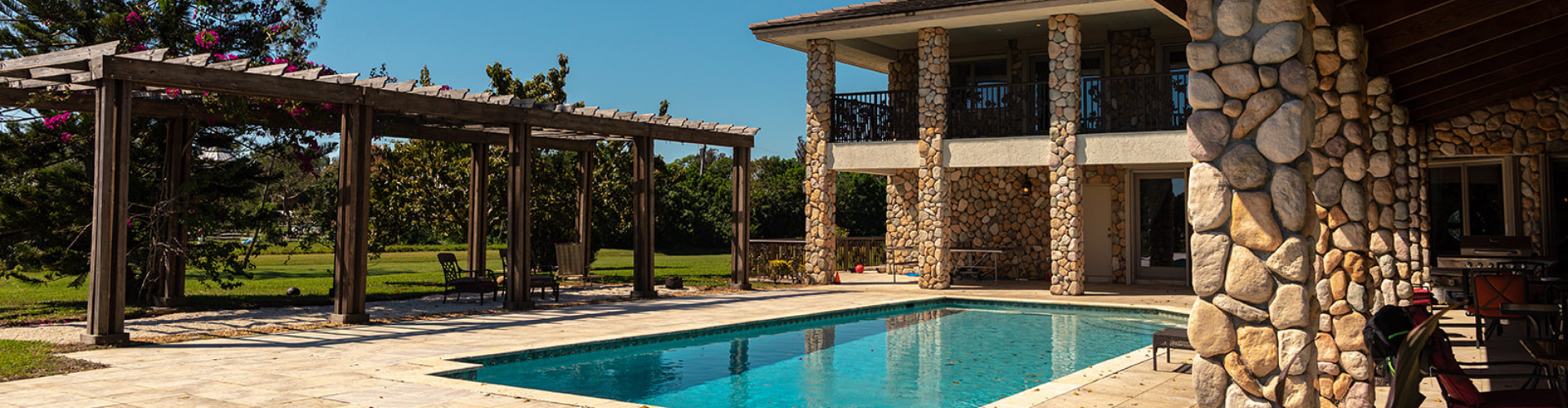
United Recovery Project
VerifiedHollywood, Florida
$$$$20 bedsTreatment CenterOpioid Treatment Program
At United Recovery our number one goal is to help all of our clients claim victory over their addictions. We do this by providing the highest level of quality services possible in a nurturing environment. Our programs are designed to empower and define a positive outlook so that individuals can discover the endless possibilities of what their lives can be after overcoming addiction.
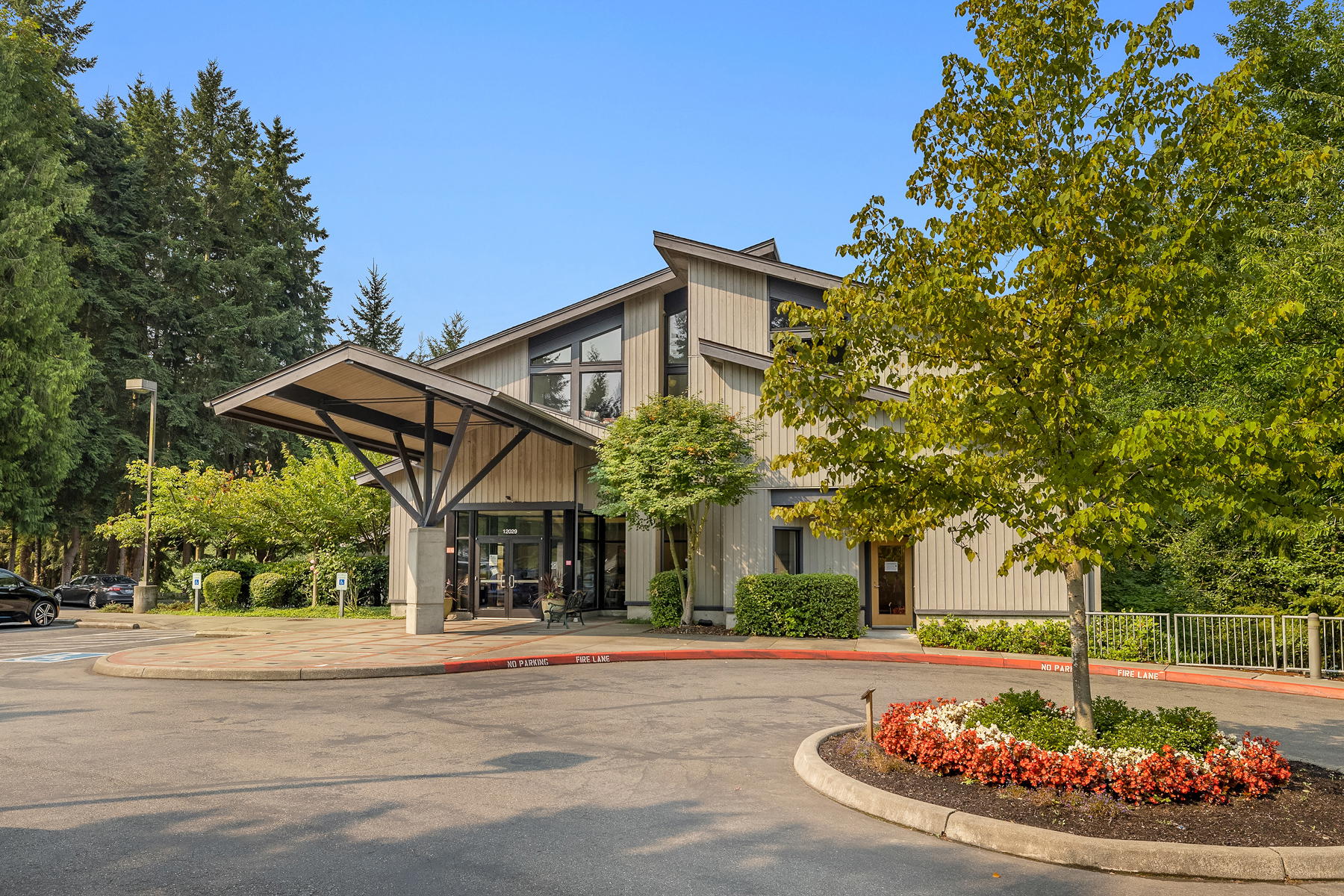
Newport Academy
VerifiedKirkland, Washington
Treatment CenterMental Health Center
With locations in Washington and nationwide, Newport Healthcare provides industry-leading mental health treatment for teens and young adults with mental health and co-occurring disorders. Newport’s evidence-based, multidisciplinary clinical model is proven to create lasting recovery.
Own or manage a facility?
Add your location to ChooseHelp
Reach people actively searching for treatment. One flat-fee Sponsored Listing — never per-call, per-lead, or per-admission fees.
Outpatient & sober living $49/mo · Residential $99/mo
Billed monthly · cancel anytime
Paid listings are always labeled as advertising — editorial reviews stay independent.


Santa Monica, California
Treatment CenterSober Living Home
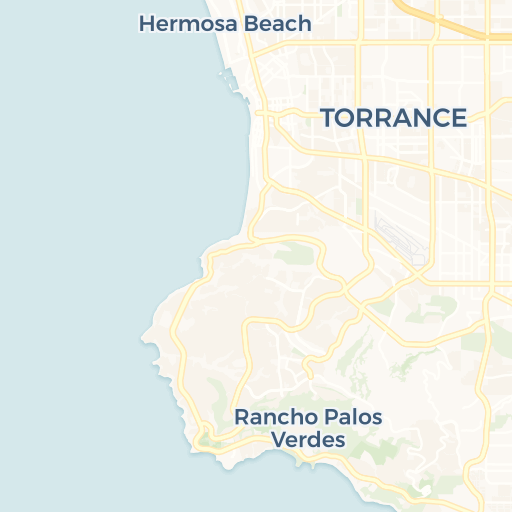
The CLARE Foundation operates multiple treatment programs located in Santa Monica, California. This is the women's program including outpatient and inpatient care, detoxification, including for opioid addiction, and supported housing.
Kansas City, Missouri
$$$$30 bedsTeen Rehab Program
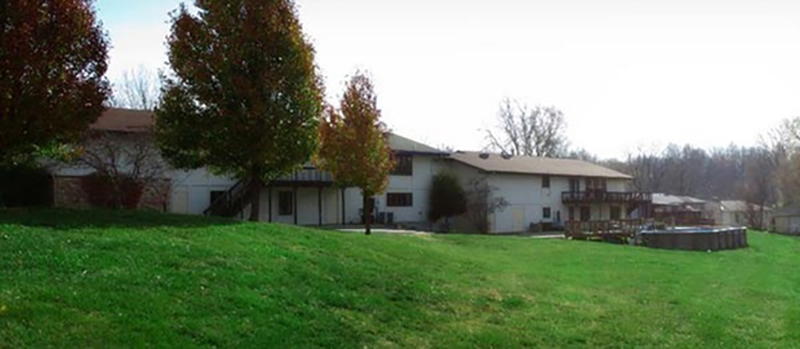
Highlands Academy is a year-round Christian boarding school for girls ages 13-17. It is an affordable program for girls with life-controlling issues that features a first-class education with spiritual support and emotional counseling designed to repair behavioral issues brought on by trauma, adoption, family discord, peer pressure, or substance abuse.
Crawford, Colorado
$$$$10 bedsTreatment Center
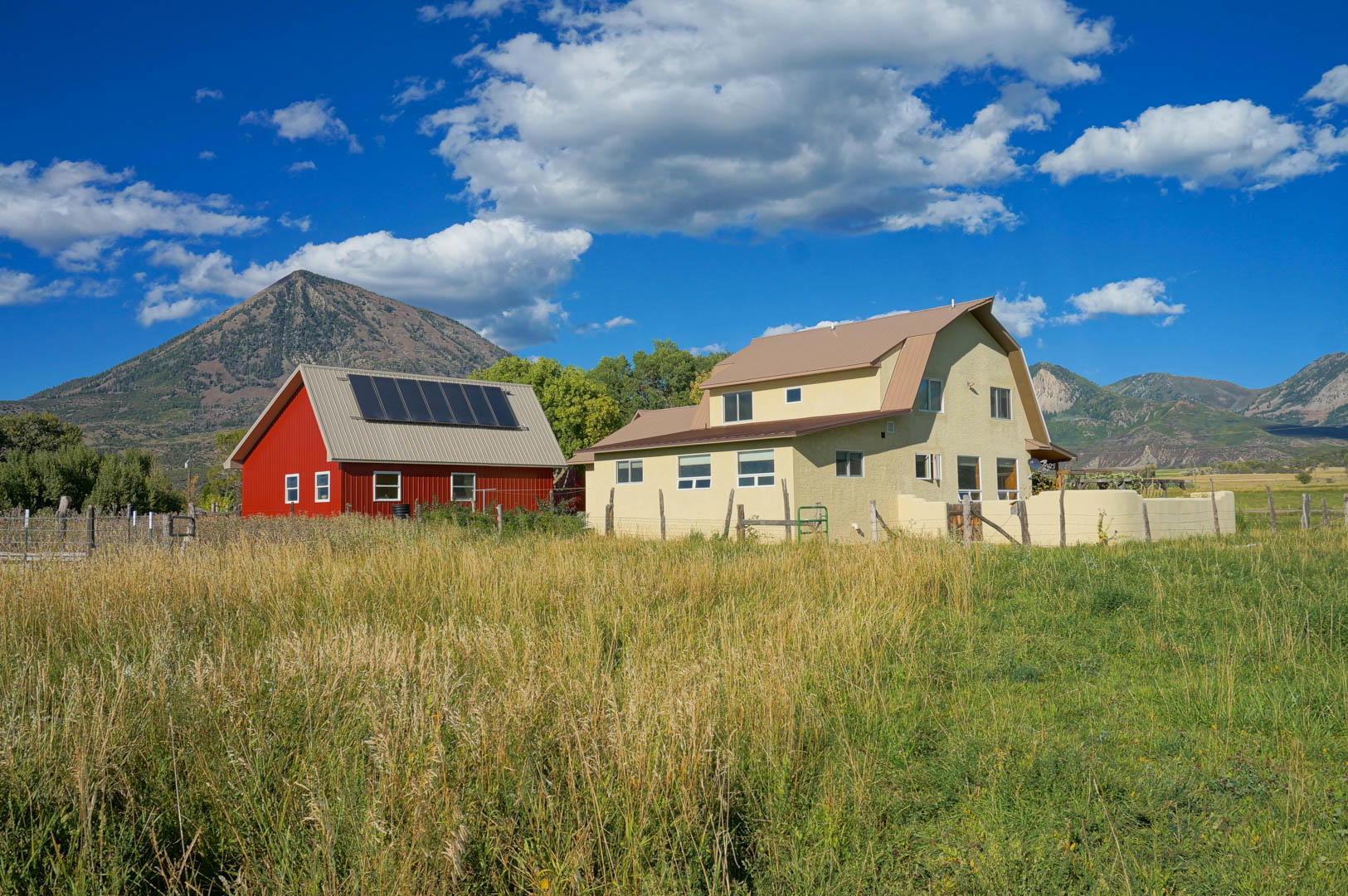
Rites of Passage is a treatment program that specializes in trauma, substance abuse and eating disorder treatment in Delta County, Colorado. Offering Residential and Intensive Outpatient programs (OP is co-ed and available for adult and teenage clients as well).
Jacksonville, Florida
$$$$25 bedsTeen Rehab Program
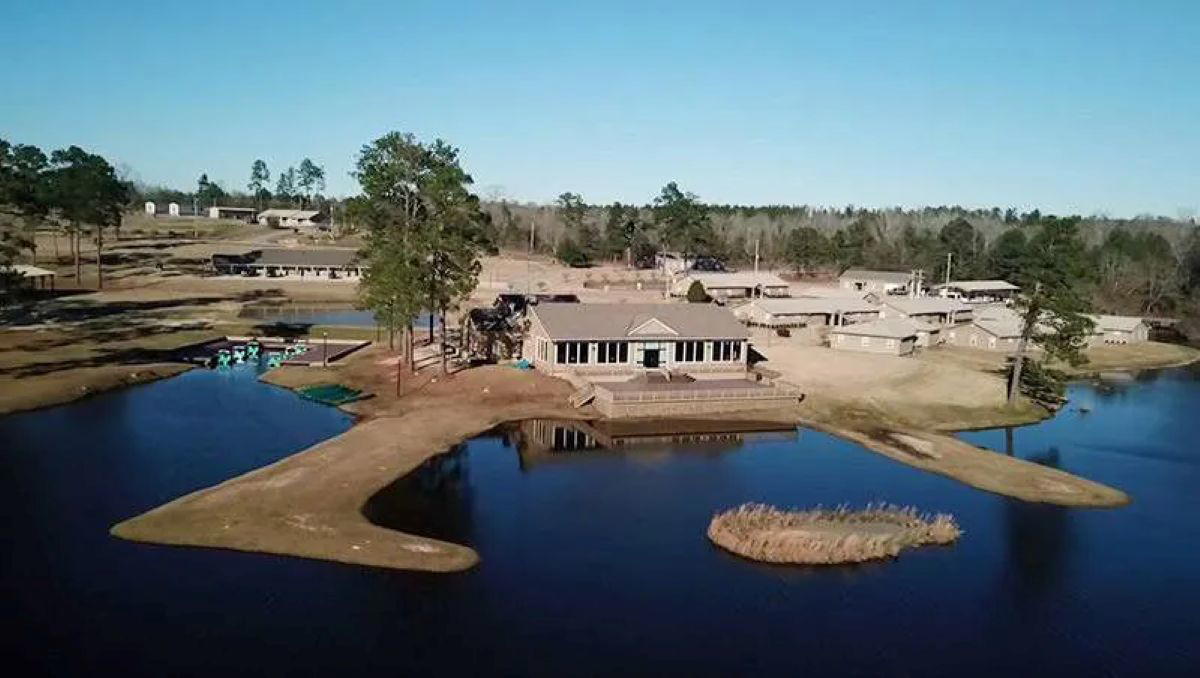
Hosanna House is a home and school that provides pastoral advising for rebellious or troubled girls aged 13-17. Located in Jacksonville, Florida, this academy has a small population and a home-like feel.
Tampa, Florida
$$$$25 bedsTreatment Center
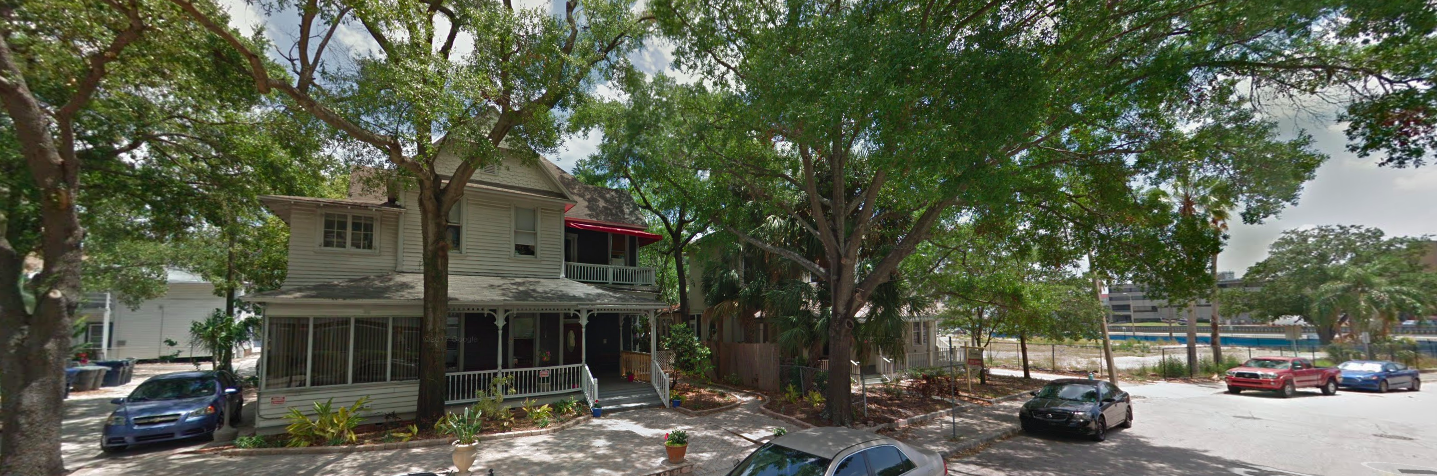
WhiteSands Alcohol & Drug Rehab Tampa is an outpatient addiction treatment facility in the Hyde Park area of Tampa, Florida, at 215 West Verne Street, Suites A and B. It provides day-night treatment and intensive outpatient programming. The organization also operates a partial hospitalization program at a separate Tampa location.
Dallas, Texas
$$$$Treatment Center
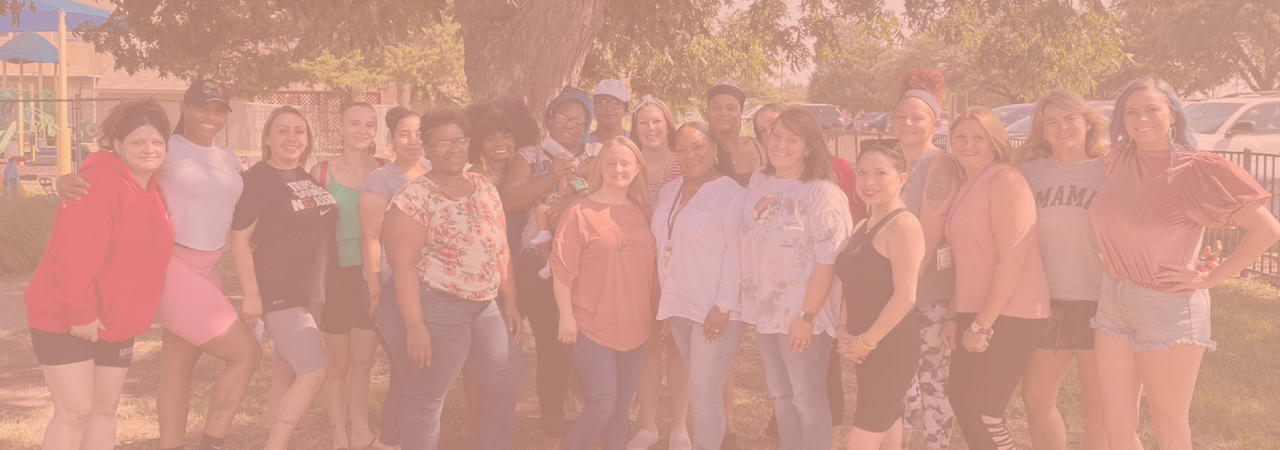
A residential drug and alcohol treatment program for women, women with children, pregnant women, teen girls and pregnant teen girls. Services are offered without regard to an ability to pay.
Heron, Montana
$$$$45 bedsTeen Rehab Program
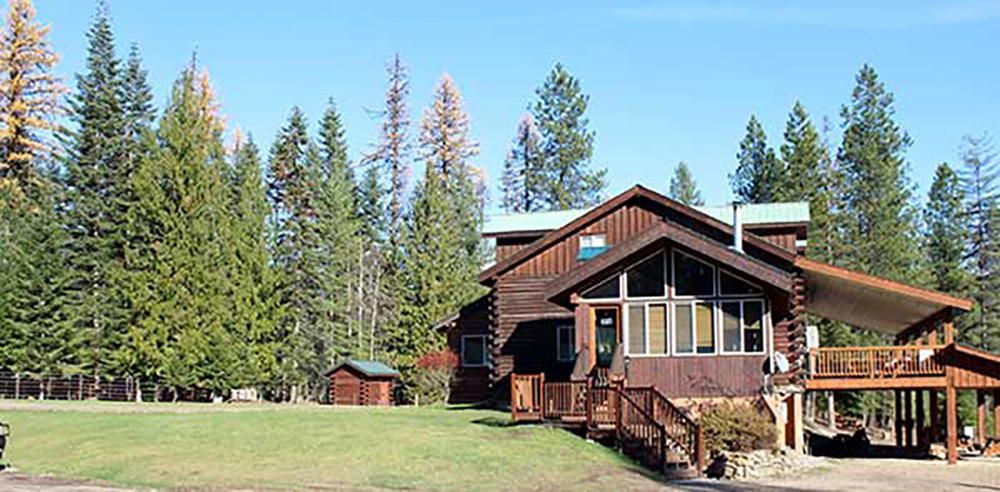
Clearview Horizon is a therapeutic boarding school for girls aged 13-21 located near Sandpoint, Idaho.
Pittsburgh, Pennsylvania
Treatment CenterSober Living Home
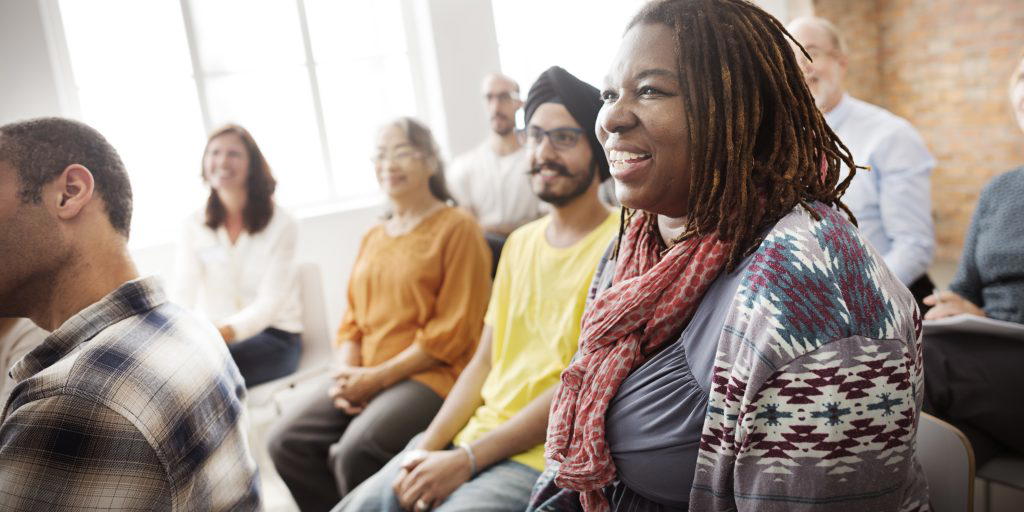
POWER House is the residential recovery home of POWER - the Pennsylvania Organization for Women in Early Recovery - on Church Street in Swissvale, part of an all-women continuum the organization describes as gender-responsive, built around how addiction and recovery differ for women. Alongside the house, POWER runs New Day outpatient therapy, peer-based recovery support for people in Allegheny County through POWER Connection, and POWER Restore, a 21-bed detox and rehabilitation program reopening at the POWER campus, where the clinical, medical and recovery-support team moves clients from withdrawal management into ongoing treatment. Anyone can call the POWER Line, including adults and adolescents and family members worried about someone else; recorded payment options include Medicare, military insurance and self-pay.

Bricelyn, Minnesota
$$$$35 bedsTeen Rehab Program
Minnesota Girls Academy is a therapeutic, residential program helping girls ages 13 to 17 in overcoming the emotional or behavioral struggles that can keep them from living fulfilling lives and having healthy social and familial relationships.
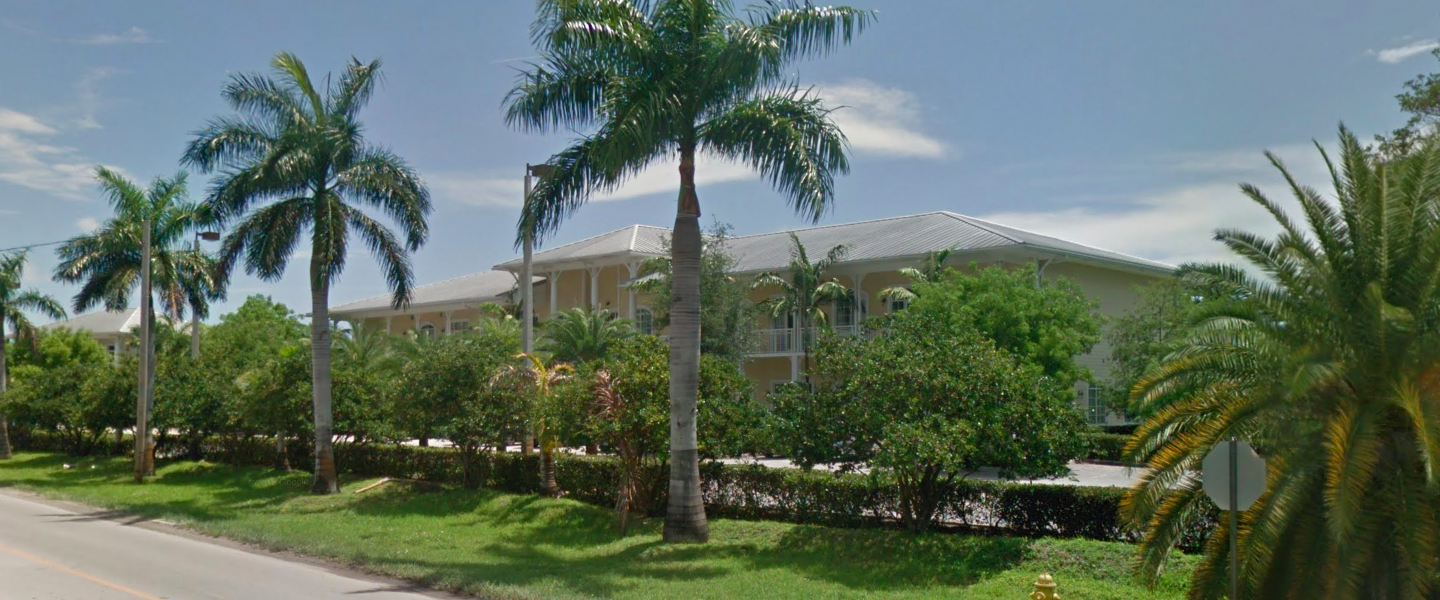
Fort Lauderdale, Florida
50 bedsTreatment Center
Women-only treatment center, offering both in- and outpatient treatment services. Private rooms available.
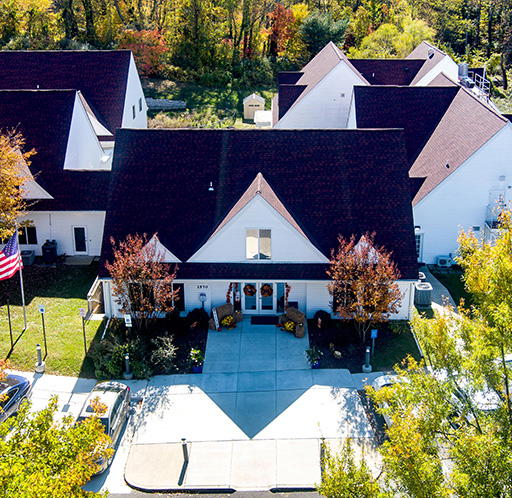
Crownsville, Maryland
$$$$Treatment CenterSober Living Home
Two residential facilities for women with children, needing long term sober support. Women must get a job, and pay as they are able. Residents will receive 12 steps, individual and group therapy, and vocational, life skills and parenting classes.
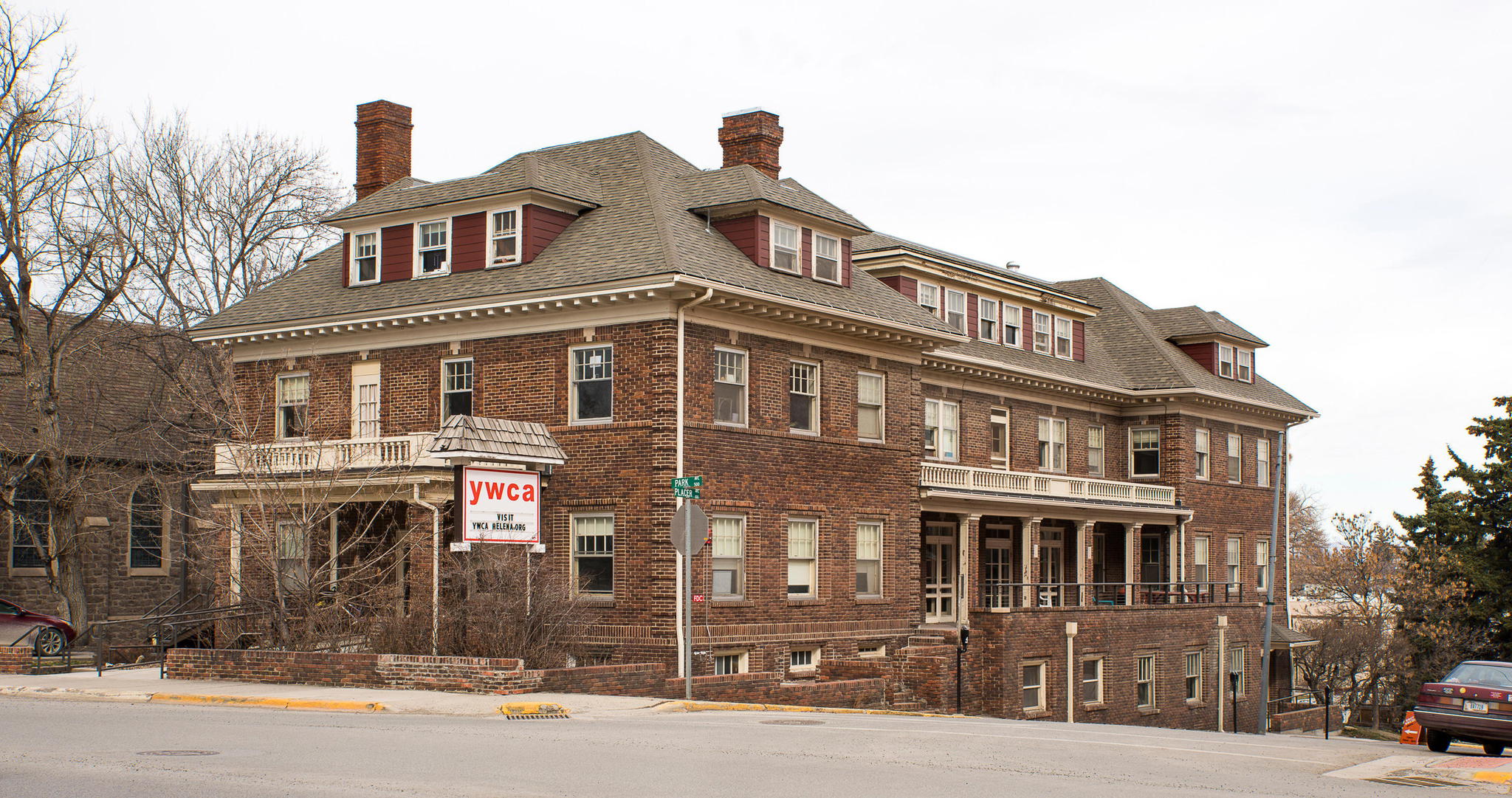
Helena, Montana
Treatment CenterOutpatient Rehab
YWCA Helena provides transitional housing and co-occurring substance use and mental health treatment for homeless women and their children in Helena, Montana. The WINGS program (Women Initiating New Growth and Stability) addresses co-occurring disorders through a trauma-informed approach, with licensed addiction counselors on staff. YWCA Helena accepts Medicare and private insurance.
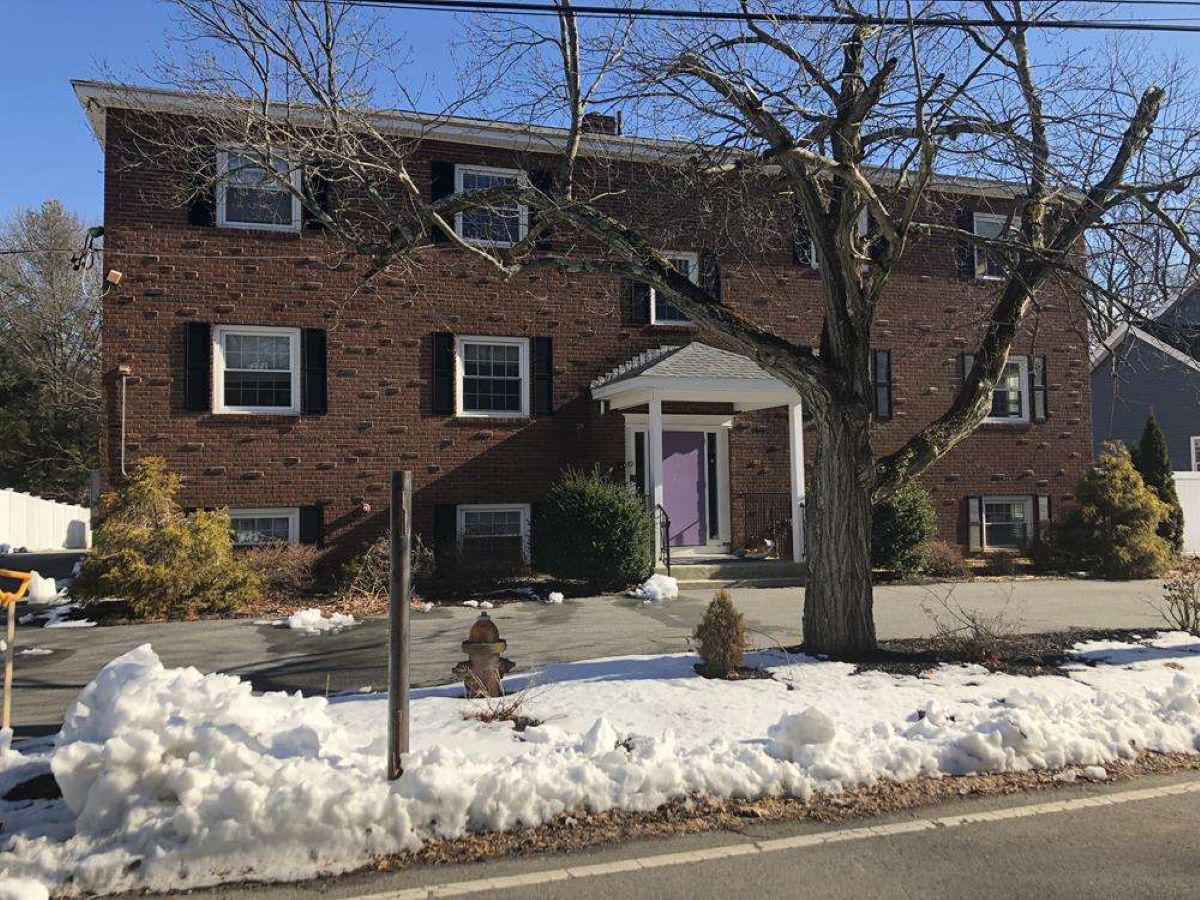
Lowell, Massachusetts
Treatment CenterSober Living Home
Megan's House is a long-term residential treatment program for women aged 18 to 30 in Lowell, Massachusetts, run by The Megan House Foundation with a stated emphasis on individual dignity, self-respect and empowerment. Treatment is holistic and addresses substance use disorders together with co-occurring mental health conditions, and the foundation says the residential program has immediate openings with referrals taken by phone. Graduates can step down into the foundation's two sober living homes for women 18 and over - Erin's House and Emma's House, the latter named in memory of a Megan's House graduate - just outside Lowell. Medicaid and Medicare are both recorded as accepted, alongside private and military insurance and state-financed coverage.
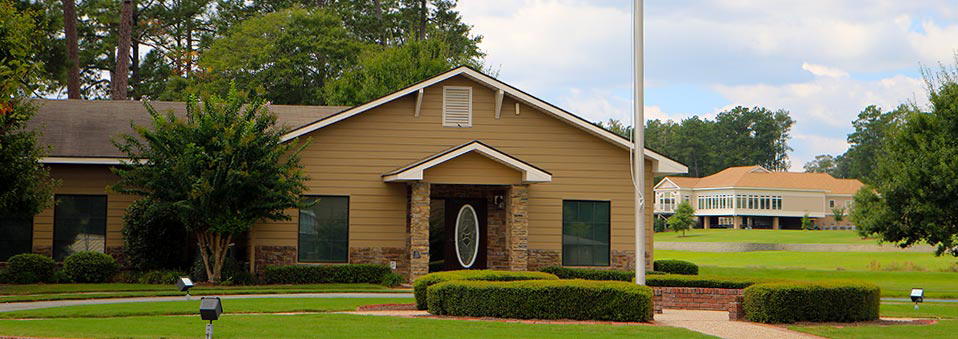
Seale, Alabama
$$$$70 bedsTeen Rehab Program
Columbus Girls Academy is a Christian boarding school for girls aged 12-17 near Columbus, Georgia.
Somerset, New Jersey
$$$$6 bedsTreatment Center
A 6 bed residential facility for homeless and pregnant women, between the ages of 13 and 40.
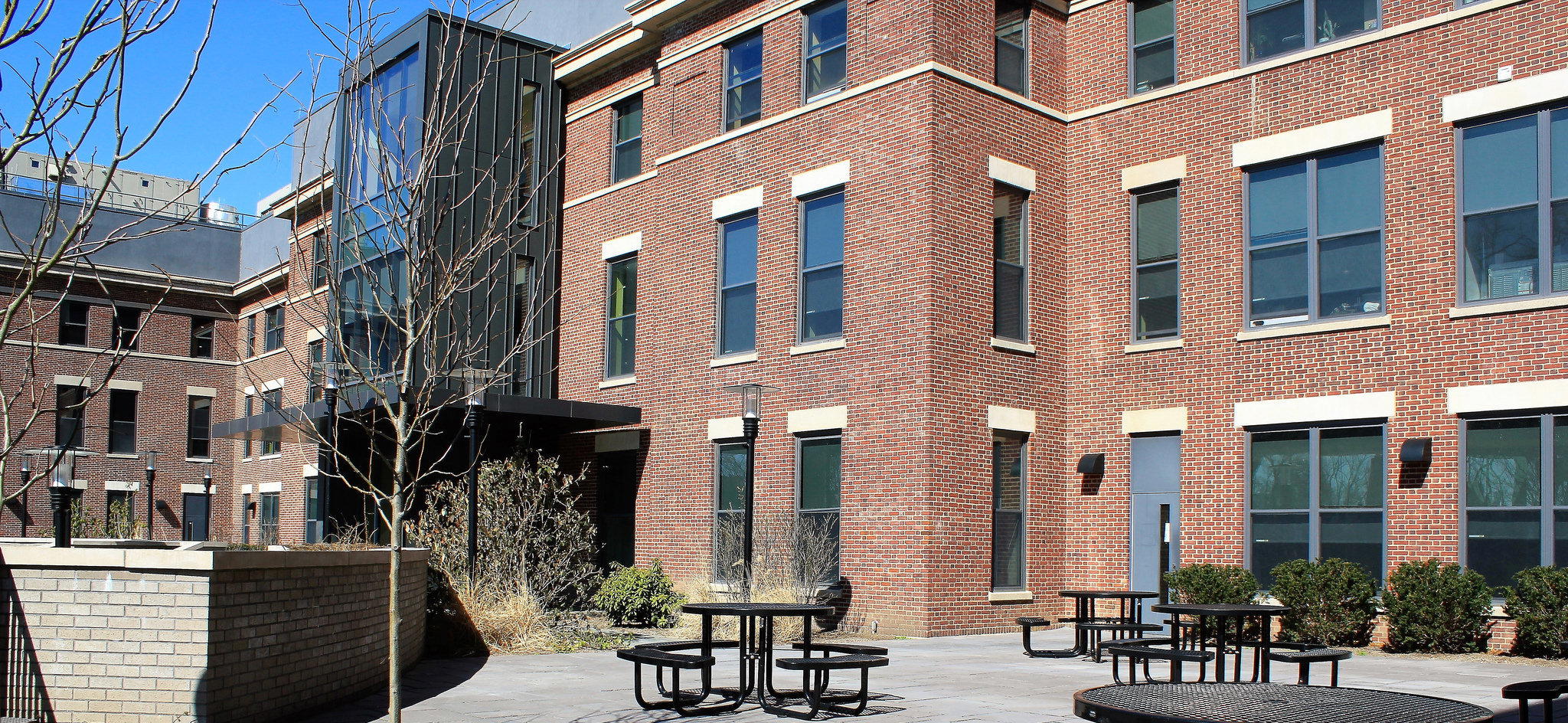
New York, New York
$$$$231 bedsTreatment CenterOpioid Treatment Program
A large 231-bed residential substance abuse treatment facility and long-term rehab for women, adolescents and senior citizens, operated by Odyssey House in partnership with the New York State Office of Alcoholism and Substance Abuse Services (OASAS). The facility accepts clients on opioid medication.
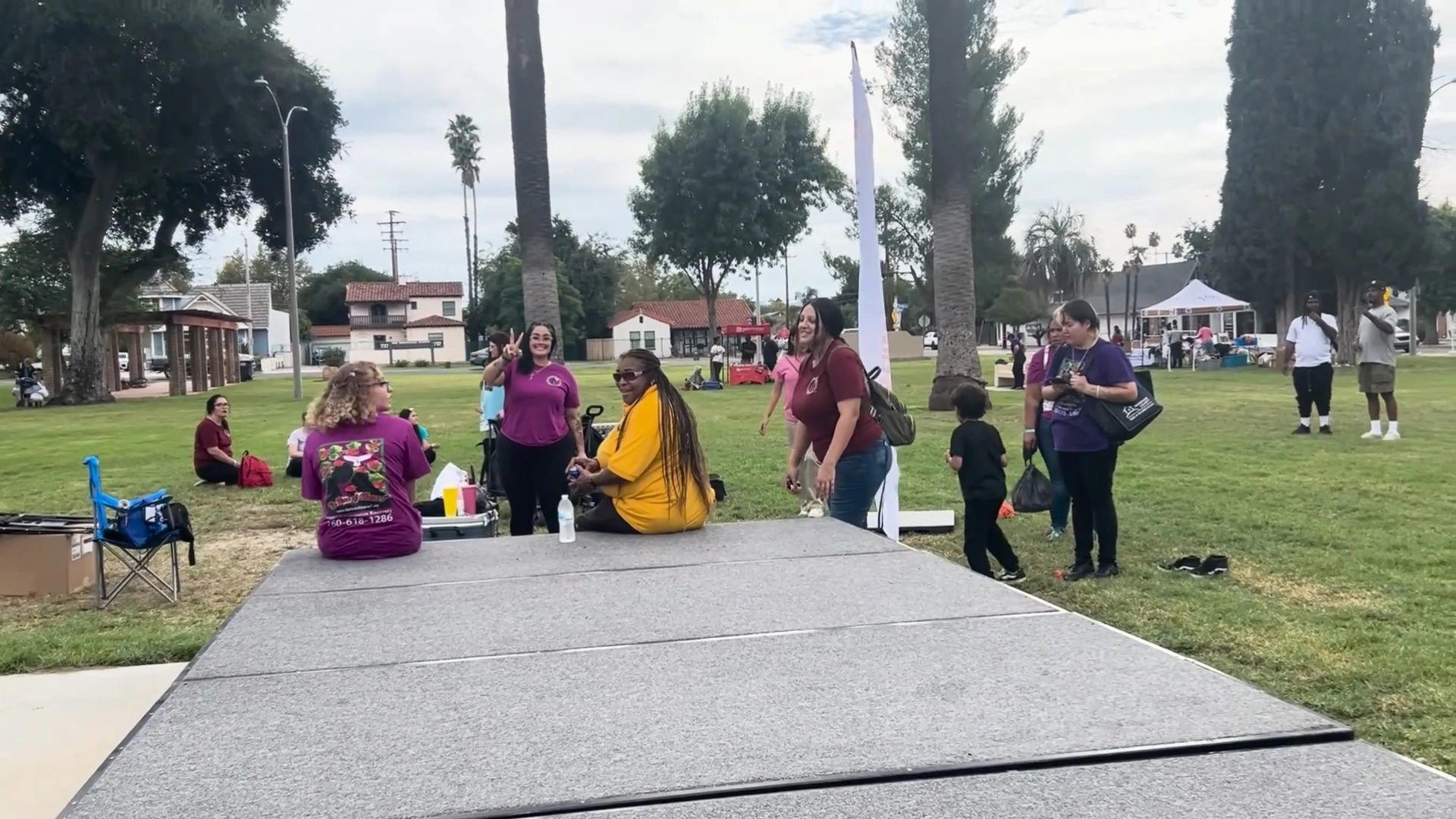
San Jacinto, California
Treatment Center
The Rose of Sharon 7 operates Divine Intervention Recovery Ranch, a residential substance use treatment program for adult women in San Jacinto, California. The program is licensed by the California Department of Health Care Services (license 330158AN) and offers intensive residential treatment for women seeking recovery. It accepts Medi-Cal (California Medicaid), private insurance, military coverage and self-pay.
Stockton, Missouri
$$$$30 bedsTeen Rehab Program
Wings of Faith Academy is a conservative Christian therapeutic boarding school for girls aged 8-17 that focuses on correcting behaviors through emphasizing Christian values.