Medications in Drug Treatment
There are a number of pharmacological interventions that can be used to aid in recovery during drug treatment. Some medications used in drug treatment are used to minimize the symptoms and danger of withdrawal, some are used to offset the negative psychiatric effects of drug cessation, and some are used for long term sobriety encouragement as anti craving medications.
The occurrence of a dual diagnosis of mental health problems and addiction will require additional pharmacological intervention beyond the scope of description within this article, and the as follows drugs are the drugs most commonly used to treat a single diagnosis of addiction or dependency.
Although some homeopathic or philosophical interpretations do not allow for the use of pharmacological interventions during drug treatment, the legacy of addiction carries with it acute physical changes within the body and brain, and appropriate medication during drug treatment eases the pains of withdrawal and increases the safety of the process. Medications in drug treatment can also increase mental ability and outlook for a responsive and beneficial participation in drug treatment and cognitive programming, and reduce the physical and psychological cravings that can lead back to temptation during short to medium term recovery.
Much research is underway to increase the efficacy of medications in drug treatment, and there are some current and very promising studies of new medications that have real promise to better the drug treatment experience for recovering addicts.
Medications in drug treatment have to be used with an awareness of the complex interactions of the legacies of abuse with the potential side effects of the medications, but when properly and appropriately prescribed they can reduce the pains of withdrawal, increase the psychological outlook of the recovering addict throughout treatment, and decrease the experienced cravings to relapse after the completion of intensive treatment
Medications have a valid place within any drug treatment program.
Anti Craving Medications
There are two categories of anti craving medications used in drug treatment. Substitution style medications are commonly used for the treatment of opiate dependency, and these types of medications in drug treatment transfer addiction from a harmful abused drug, to a safer and less intoxicating drug.
The other types of medication used in drug treatment are medications that reduce the experienced cravings for drugs, reduce the pleasure of consumed drugs, or make the consumption of drugs very uncomfortable.
Opiate substitution drugs like Methadone, and much more recently Buprenorphine, are used as a substitute for an addiction to opiates. Addicts switch from harmful addictions to heroin or other pain killers to non intoxicating and safe opiate substitution medications and are able to better participate in society; they are gradually encouraged to reduce their dependence to these non intoxicating drugs.
The most common anti craving medication is the dopaminergic acting anti abuse drug Naltrexone, which reduces the effects of consumed drugs by blocking the effects of dopamine. This has been found to reduce cravings and improve sobriety rates. For alcohol abuse, the drugs Disulfiram and Acamprosate have also shown efficacy.
An alternative method for induced alcohol sobriety is use of the drug Antabuse, which reduces the temptation to abuse alcohol, as recovering addict know that if they consume alcohol concurrently with Antabuse, they will become violently ill.
Anti Seizure Medications
Anti seizure medications during initial drug treatment are essential for safety during withdrawal from certain drugs.
During initial withdrawal from certain CNS depressants, such as benzodiazepines, abused sleeping medications and alcohol, brain activity levels are increased, and there is a resultant increase in the danger of seizures and convulsions. CNS depressing medications usually work by decreasing the activity of the neurotransmitter GABA from the brain, and when the GABA antagonist drug of abuse is removed, suddenly high levels of GABA cause increased brain activity, and the possibility of neuro muscular convulsions.
These can be as extreme as to be life threatening, and severe dependence to any of the CNS depressing drugs induces one of the most dangerous withdrawals. Safe withdrawal from a CNS depressing substance requires an anti seizure or anti convulsant medication to reduce brain activity levels out of dangerous ranges. Benzodiazepines are commonly used for the treatment of alcohol abuse, and in addition to reducing the prevalence of convulsions and seizures, they can also calm some of the normal anxiety associated with withdrawal. Other medications such ascarbamazepine, chlormethiazole, and valproate can also be used to good effect.
Psychiatric Medications
Withdrawal and initial recovery from certain drugs can induce dysphoria, depression, anxiety and other psychiatric conditions. These acute psychiatric conditions can increase suicide or bodily harm behaviors, reduce the ability to stay within drug treatment and decrease participation in the programming of drug treatment.
Withdrawal is often described as a condition in which the opposite effects of intoxication are experienced. For stimulant euphoria producing drugs such as crystal meth, cocaine, and even opiates type drugs, this can result in the experience of anxiety and severe depression during initial treatment. Cocaine and crystal meth users can continue to suffer the depressive and dysphoric effects of withdrawal for months or years.
To reduce discomfort and increase safety and ability to participate in treatment, acute doses of anti depressants or anxiolitics are sometimes prescribed. The variety of possible psychiatric medications are great, and psychiatrists will recommend a most appropriate medication depending on the unique needs of the individual patient.
Because certain anti anxiety drugs have abuse potential, only those medications without the possibility of inducing dependence are considered appropriate during the period of drug treatment.
Psychiatric medications in drug treatment improve the recovering addict's ability to benefit from the lessons of drug rehab.
Pain Medications
One of the hallmarks of withdrawal to many substances, most notably opiates like heroin or pain medications, is the experience of extreme discomfort and pain during the initial days of withdrawal. Unfortunately, many of the more potent medications available for pain work as opiates, and cannot be used in an opiate drug cessation program. Pain medications used in drug dependence treatments are medications that induce pain relief outside of the brain, and some commonly used medications are acetaminophen, aspirin, and most commonly, ibuprofen.
Editor’s picks

Prayers In 12 Steps Drug Treatment Programs
Although no one can deny the effectiveness of secular techniques in rehab, we exist as spiritual beings, and an addiction is an ailment of the spirit as much as a disease of the body. We need tools such as those offered through private therapy and cognitive peer groups to combat temptation when it arises, but for those lucky enough to posses a strong belief in God, through prayer and faith; temptation is avoided, resolve strengthen, and sobriety enhanced.

The Benefits of Meditation in Drug Treatment
As addictions professionals recognize and promote the benefits of more holistic programs of recovery, the value of meditation in drug treatment is increasingly recognized and offered as adjunct therapeutic programming in comprehensive drug rehabs.

The United Nations on 'Addiction Treatment Rights'
No matter what you’ve done or who you are, you are entitled to drug addiction treatment that is respectful of your dignity and rights as a human being.
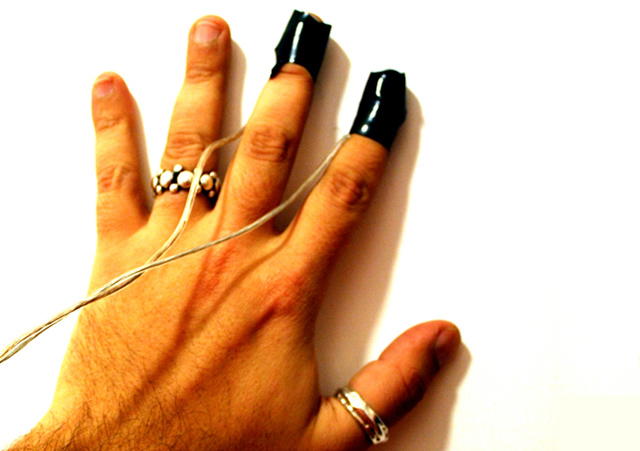
Biofeedback in Addiction Treatment
Biofeedback Therapy is a relatively new form of alternative therapy that uses specialized instruments and technology to measure quantifiable reactions and responses of the body.

Want Quality Treatment? Evidence-Based Therapies Increase Your Chances of Lasting Addiction Recovery
If you want to be sure you'll get value and benefit from an addiction treatment program, make sure they offer evidence based therapies - interventions that are actually proven to work!