
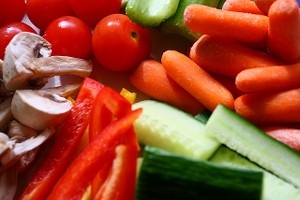
Replace the drinking with good healthy food - the right kinds of foods - and you can earn your health back and increase your odds of wellness into ripe old age.
You can’t erase the past, but you can restore good health and avoid exacerbating any damage with a proper understanding of how your body works and what your body needs.
Read on to learn more about:
- How alcohol creates free radicals called reactive oxygen species (ROS) and how having too much ROS can lead to oxidative stress and diseases
- How antioxidants protect your body from oxidative stress
- Why antioxidant supplements don’t work, but good food choices do
- About lifestyle changes, beyond the foods you eat, that can reduce oxidative stress
- About recent research illustrating how certain powerful foods can make an enormous difference to your health and longevity
How Alcohol Abuse Leads to Oxidative Damage
Basically, when metabolizing alcohol your body produces reactive oxygen species (ROS) a type of free radical that contains oxygen, and this causes oxidative stress - and the more you drink, the more ROS you produce and the greater the damage.
Many metabolic processes create ROS, but under normal circumstances, basic cellular mechanisms use antioxidants to protect us from damage by quickly detoxifying, or rendering neutral, any reactive oxygen molecules.
- So things are generally kept in balance, except when something you consume or inhale greatly increases ROS formation or greatly reduces your ability to neutralize ROS.
- When this occurs, you develop a state called oxidative stress. With oxidative stress, your protection systems are no longer able to keep things in balance and ROS may damage or kill cells or alter cellular-DNA, which can lead to mutation and future disease.1
Heavy drinking can cause excessive free radical formation and a reduction in your ability to neutralize - so heavy alcohol use puts you in a state of oxidative stress - and heavy chronic alcohol consumption puts you in a chronic state of oxidative stress.
See below for examples of how alcohol metabolism leads to free radicals.
Diseases Associated with Oxidative Stress
So now you know that oxidative stress damages at the cellular level - but what does this really mean? Why should you care?
Well, unfortunately, too much oxidative stress leads to accelerated aging and a host of possible diseases, such as:
- Liver diseases (oxidative damage is likely a main cause of alcoholic liver diseases)
- Heart disease
- Diabetes
- A number of different cancers
- Parkinson’s and other neurodegenerative diseases
- Alzheimer’s
- Inflammation
- Vitamin deficiencies
- Emphysema
- Cataracts
- Heavy metal toxicity
- Radiation diseases
Heavy drinking leads to excessive ROS production in a number of ways, such as:
- During metabolism, alcohol is converted to acetaldehyde, which is a toxic chemical that can cause cell death and free radical formation as it interacts with lipids and proteins
- Alcohol increases the amount of free iron that floats in the bloodstream, and this can increase free radical formation.
- Alcohol affects the workings of the immune system by altering the function of signaling molecules called cytokines. These altered cytokines change the workings of a host of biochemical processes and in turn increase the production of free radicals.
- Heavy alcohol uses causes increases in the activity of the enzyme cytochrome P450 in the liver. Cytochrome P450 releases free radicals as it processes toxins in the liver.2
Current or Ex Alcoholic? Protect Your Health!
OK, so if you drank too much and created oxidative stress, all you have to do now is take mega doses of antioxidants, right?
Unfortunately, this doesn’t seem to work.
- Increasing your intake of antioxidant rich fruits and veggies protects you from disease
- There is little research to prove that antioxidant supplements work as well, and in some cases, over-consumption of supplements can do harm/negatively interact with other medications, etc.
While in theory, high doses of supplements should prevent damage, researchers have yet to find that people who use antioxidant supplements get significant benefits, and sometimes these supplements do more harm than good (high doses of beta carotene increased rates of lung cancer among smokers, high doses of vitamin E increased rates of prostate cancer and stroke, etc…)
Why is this?
Unfortunately, no one really knows. Theories for why supplements aren’t working as you might expect (but eating fruits and veggies does work) include:
- Antioxidants might work as we think they should, but only when accompanied by other as yet unidentified substances found in natural food sources.
- The small amounts of antioxidants that are found in natural food sources may work as we think they should, but sudden large doses, as found in supplements, may work differently.
- Natural food sourced antioxidants are more varied and complex than those neutralized for supplements. Supplement antioxidants may be missing essential components.
- The free radical theory of oxidative stress is likely more
complex than we now realize. In some cases, free radicals may be beneficial.3
So here's where we’re at:
- Heavy drinking leads to oxidative stress and this increases your odds for a number diseases.
- While in theory antioxidant supplements should work well to
reverse this damage, they may actually do more
more harm than good.
- But while supplements may or may not work, we do know that a diet high in natural antioxidants absolutely does improve your health and reduce your risk of many of the diseases associated with oxidative stress.
So if you’ve got a history of heavy drinking in your rear-view mirror and you’d like to make up for the damage done, here’s what you do:
- Go to see your doctor to get your liver checked and to see if you might benefit from vitamin supplements. Many alcoholics become malnourished and since alcohol provides so many empty calories, you can be overweight and nutrient-starved at the same time. This recovery vitamin treatment is commonly recommended for ex-alcoholics.
- You can’t change the past, but you can reduce your risk of disease by reducing your exposure to environmental and dietary causes of oxidative stress
- Change your diet to maximize your consumption of fruits, vegetables, healthy oils and whole grains (all excellent sources of natural antioxidants).
Upping Your Daily Antioxidant Intake
Replace calorie-dense but nutrient-light fats, sugars and processed foods with nutrient-rich but calorie-light fruits, vegetables and whole grains.
Vegetables and fruits are great sources of antioxidants. In virtually every situation, increasing your intake of antioxidant-rich whole fruits, veggies and whole grains will improve your health and reduce your risk of many serious diseases.
You can’t go wrong with natural dietary sources, such as these powerhouse antioxidant packed options:
- To get lutein, eat: green leafy veggies, like spinach or kale
- To get beta-carotene, eat: orange foods like pumpkin, sweet potatoes, carrots, cantaloupe, mangoes or squash or leafy greens like kale, spinach or collard greens
- To get lycopene, eat: tomatoes, guava, papaya, apricots, pink grapefruit or blood oranges
- To get selenium, eat: Brazil nuts, wheat and meats
- To get vitamin A, eat: mozzarella cheese, sweet potatoes, egg yolks, liver, carrots and milk
- To get vitamin C, eat: citrus fruits, berries, broccoli, cauliflower, sweet potatoes, tomatoes, and many other fruits and veggies
- To get vitamin E, eat: almonds, vegetable oils, seeds and leafy greens4
Some antioxidant super foods (foods with very high levels) include:
- Red beans
- Blueberries, blackberries, cranberries, raspberries and strawberries
- Kidney, pinto or black beans
- Purple or red grapes
- Artichokes
- Prunes, plums or cherries
- Red delicious, gala or granny smith apples
- Pecans or walnuts
- Russet potatoes
- Tea5
Reducing Oxidative Stress
In addition to eating a diet rich in natural antioxidants, you should also:
Avoid Excessive UV Radiation, Cigarette Smoke and Air Pollution
Like drinking, these environmental sources all increase free radical levels and lead to oxidative stress.
Get Regular Exercise (Not Occasional)
With regular exercise your body’s antioxidant systems become more effective and better able to neutralize free radicals. This likely occurs as your body adapts and compensates for the increased oxygen metabolism that occurs during aerobic exercise.
But adaptation only occurs with regular repetition. If you exercise only sporadically, your body won't have adapted to handle increased extra free radical production and you may do more harm than good.
Sleep in Darkness
Don’t sleep with the light on.
Your body produces the potent natural antioxidant melatonin while you sleep in complete darkness. Only very minute amounts are produced under other circumstances.
Reduce Psychological Stress
For complex reasons, people under higher emotional stress loads display higher bio-markers for oxidative stress.6
Exciting Recent Oxidative Stress Research
Research is ongoing. Here are the results of a few studies that show how antioxidant therapy may prove beneficial:
Basil Study
Research presented in the British Journal of Biomedical Science in 2008 shows that in an animal model study, basil (actually a basil extract) serves to prevent liver toxicity when taken in conjunction with alcohol and when given after alcohol toxicity has already taken place, it helps to reduce the total damage (it is curative after the fact.)7
2 Cloves of Garlic A Day Study
Could a bit of raw garlic each day really protect your liver from alcohol damage?
Researchers at Annamalai University in India found that 2 cloves of garlic a day worked well to reverse some alcohol-related liver damage in a group of alcoholic subjects.
After 45 days of eating 2 medium sized cloves of raw garlic per day, the alcoholic study subjects had decreased liver marker enzymes, decreased levels of lipid peroxidation and increased antioxidant levels.8
Blueberry Juice Study
Research published in March of this year in Plos One illustrates how you can benefit from adding blueberries to your diet.
In an animal model study, blueberry juice increased the liver’s antioxidant capabilities and reduced fibrosis (scarring) in animals fed a high-fat diet (animals fed the high fat diet and no blueberry juice had more liver scarring than animals fed the same diet with the blueberry juice.)
Although this very recent research was not done on humans, since liver scarring can lead to cirrhosis, if you drink or drank too much you may want to take particular note of this study, and consider whether a glass of blueberry juice a day isn’t maybe a good idea.9
- References
Page last updated Jun 24, 2013

