
Canadian Doctor Uses Amazonian Herbal Medicine Called Ayahuasca to Break Addictions
A Canadian Doctor talks about the nearly 200 people he’s treated with an Amazonian hallucinogen called ayahuasca.

Dr Gabor Maté is a family physician in Vancouver Canada and over the past few years he has provided an Amazonian addiction remedy to between 150 and 200 addicts in East Vancouver – and many, he says, have had significant breakthroughs.
Called ayahuasca, this hallucinogenic is taken as a spiritual aid in several religious traditions of the Amazon basin and has been used in ritual for thousands of years. The drug is legal for spiritual use in the US and a Health Canada study on the substance found that it produced no adverse effects and provided spiritual benefits.
Dr. Mate says he first became interested in ayahuasca after learning of addiction treatment clinics in Peru using the herbal medicine which had ‘cure’ rates many times better than that typically seen in North American and Europe.
Working in some ways similarly to the African origin opiate treatment medication Ibogaine, Dr. Mate talked to journalists about how ayahuasca helps people to break free from addiction, saying, ayahuasca is not a drug in the Western sense, something you take to get rid of something. Properly used, it opens up parts of yourself that you usually have no access to. The parts of the brain that hold emotional memories come together with those parts that modulate insight and awareness, so you see past experiences in a new way. The natural human response to pain is to escape it. That’s the essence of addiction. Ayahuasca allows users to hold pain and not run from it.”
36 year old Megan Hames of Vancouver is one of the almost 200 people who have received ayahuasca treatment from Dr. Mate. Describing her experience, she says, “Ayahuasca saved my life. It enabled me to look at all those dark things I buried long ago … to unleash them and the pain, so that I could move forward.”
*Nov 13th Story Update
In the wake of media reports on Dr Mate’s successes with ayahuasca, Health Canada officials sent him a letter which asked that he immediately cease his use of the drug, which remains a controlled substance within Canada, and threatened prosecution should he fail to comply with the demand.
Based on this, the doctor says he will no longer, for the moment, use ayahuasca in his clinical practice, saying, “I have no intention of breaking the law. But I hope to get permission to use it in therapeutic context. I’m surprised no one thought to talk to me before sending the letter, but I suppose someone in Ottawa is just doing their job.”
Health Canada has previously allowed the use of ayahuasca for spiritual practices, but the director of Ottawa’s Office for Controlled Substances, Johanne Beaulieu, said, “For a controlled substance to be used in Canada, there’s a process that needed to be undergone. We’d welcome scientists like Dr. Maté talking to us before they start their work. Our intent is not to stop research or treatment. It’s to ensure the safety of Canadians.”
More like this
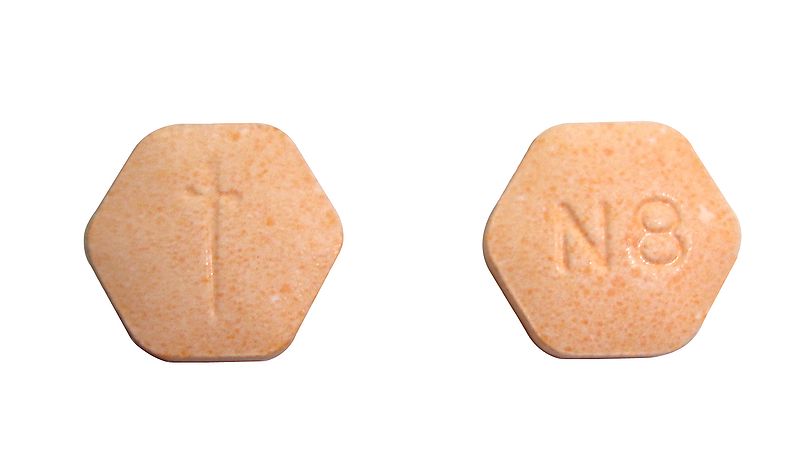
Getting High on Suboxone? The FDA Says It's Happening - Ex NIDA Director Blames Doctors
Users taking Suboxone to stave off the withdrawal pains of an opiate addiction aren't supposed to be able to abuse the medication. That was the idea anyway when the FDA approved the drug in 2002 for take-home use. Today's thriving street market for the drug has the FDA change its tune.

Young Adults Find Effective Recovery Support in 12 Steps Meetings with Older Adults
Because so many young adults use drugs or alcohol young people sometimes have trouble forging sober social support networks after treatment. AA and NA can provide this sober support, but many groups are comprised of middle aged adults. A new research study suggests that this age gap does not matter and that 12 steps meetings do offer younger adults effective social support.

Study Supports Combining Smoking Cessation and Addiction Treatment Programs
Smoking cessation efforts in addiction treatment programs help people quit without compromising overall treatment outcomes.

Intervention Text Messages Get Heavy Drinking Young Adults to Reduce Their Consumption
Researchers in Pennsylvania say that text messages may be an effective delivery system for alcohol abuse interventions to heavy drinking young adults. Heavy drinking young adults drink substantially less when they get periodic text messages containing strategies to reduce consumption.
For Alcohol Abusers, Roughly 50% of Addiction Therapists Say Moderation, Rather Than Abstinence, Is an Acceptable Goal
Roughly half of American addiction counselors now believe that moderating consumption, rather than abstinence, is an acceptable treatment goal for people with alcohol or drug abuse problems.