The Benefits of Meditation in Drug Treatment
As addictions professionals recognize and promote the benefits of more holistic programs of recovery, the value of meditation in drug treatment is increasingly recognized and offered as adjunct therapeutic programming in comprehensive drug rehabs.
Meditation has served an essential metaphysical link in eastern spiritual cultures for millennia, but only recently have western medical practitioners recognized its value in the therapeutic treatment of addictions. Meditation is not offered as a cure all for dependence and drug seeking behaviors, but when included in a comprehensive drug treatment program, meditation offers increased self awareness, a renewed spiritual religious connection, increased creativity, and a decrease in negative emotional responses to the stresses in life.
Because meditation induces increased peace of mind, increases a self awareness of negative behaviors and emotions, and reduces relapse provoking stressors, it offers therapeutic benefit to patients in recovery from substance abuse and dependence.
How meditation is used in drug treatment
Meditation is a personal endeavor and is not something that necessarily needs to be expressedly taught, but for accelerated learning, trained professionals guide recovering addicts through the process of meditating.
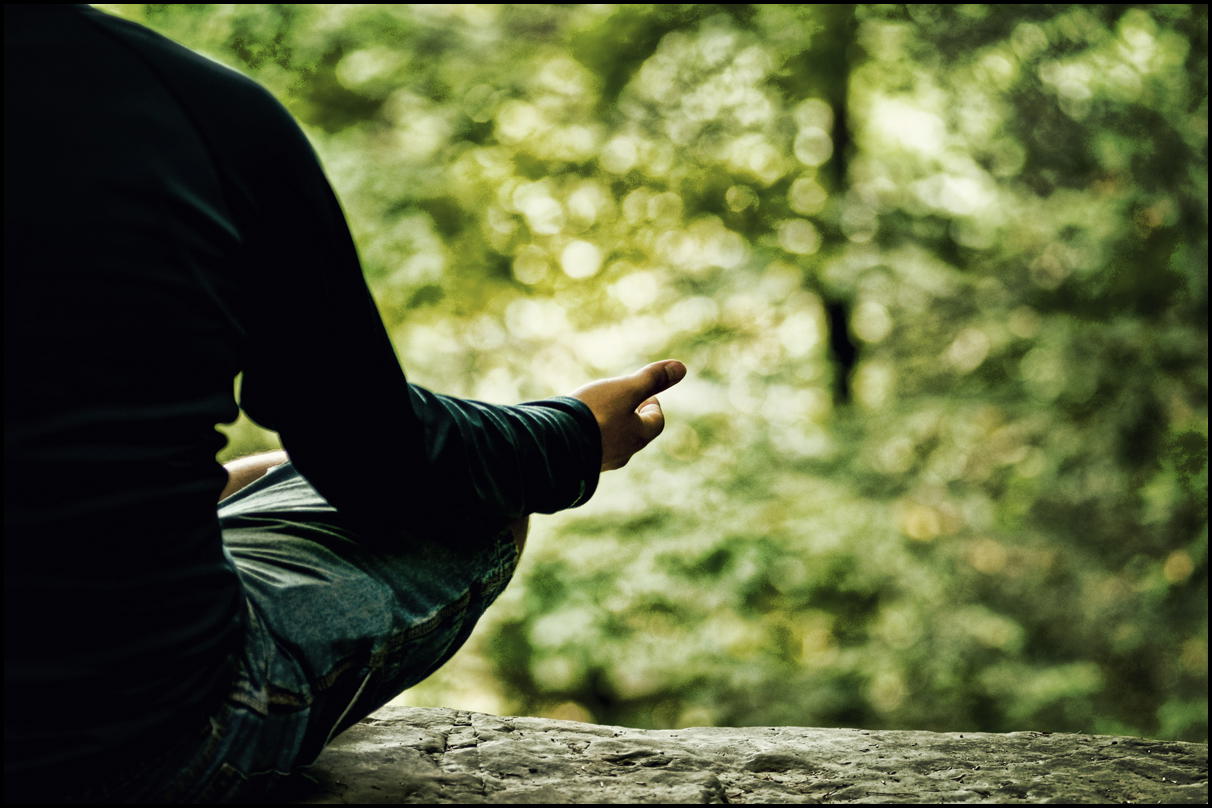
Although there are literally hundreds of unique philosophical approaches and methodologies to meditation and spirituality, there is a general commonality in the techniques used to promote a meditative state, especially amongst beginner meditators. A straight backed and upright seated position is attained, often with a crossed leg seating, and patients are encouraged to concentrate on slow and steady breathing, gradually attaining a more relaxed state. To clear the mind of extraneous thought, participants are asked to focus exclusively on a certain object, and to strive to think of nothing other than this object.
For the beginner, the cleansing of the mind through focus on a single thought can be very challenging, and as students learn the art of meditation, there will be a continual effort needed to recognize when focus has been lost, and to bring focus back to the singular object of attention. With practice, greater proficiency and focus is attained, and eventually students learn to slip quickly into a free and meditative state.
What are the benefits of meditation in drug treatment?
Meditation allows for a greater self awareness, a greater connection with internal spirituality and a greater internal peace in life.
When a truly blank and meditative state of mind is achieved, memories, emotions and behaviors can be examined introspectively and objectively. Through meditative introspection, recovering addicts often come to a better understanding of the things in life that cause them to abuse drugs or alcohol, and to better understand what they need to do to maintain an avoidance of substance use and abuse. Meditative awareness also illustrates the true destruction of substance use and abuse, and does not allow for any denial of self inflicted harms.
Many people report that through meditation they have achieved, or reawakened, a greater sense of spiritual connection. Although meditation as performed in most drug treatment environments is inherently non religious, the process often awakens spiritual sensations and beliefs.
Through an analytic and unemotional awareness of our behaviors, the stresses in our lives become less emotionally provoking, and this sense of tranquility tends to expand beyond the period of meditation and induces greater calm in all of our dealings. The normally stressful and upsetting events in our lives can often become less upsetting with a better internal awareness. A reduction in the influence of external stress reduces the power of the environment to lead us to relapse and substance use or abuse.
In Summary
As drug treatments become more holistic in nature, and with an increasing awareness that what works for one may not work for another, the inclusion of programming like meditation into treatment gives each and every recovering addict another tool towards recovery and sobriety. Most recovering addicts enjoy the process and benefits of meditation and a majority report it helpful in their battle to abstain from further use.
Editor’s picks

Prayers In 12 Steps Drug Treatment Programs
Although no one can deny the effectiveness of secular techniques in rehab, we exist as spiritual beings, and an addiction is an ailment of the spirit as much as a disease of the body. We need tools such as those offered through private therapy and cognitive peer groups to combat temptation when it arises, but for those lucky enough to posses a strong belief in God, through prayer and faith; temptation is avoided, resolve strengthen, and sobriety enhanced.

The United Nations on 'Addiction Treatment Rights'
No matter what you’ve done or who you are, you are entitled to drug addiction treatment that is respectful of your dignity and rights as a human being.

Biofeedback in Addiction Treatment
Biofeedback Therapy is a relatively new form of alternative therapy that uses specialized instruments and technology to measure quantifiable reactions and responses of the body.

Want Quality Treatment? Evidence-Based Therapies Increase Your Chances of Lasting Addiction Recovery
If you want to be sure you'll get value and benefit from an addiction treatment program, make sure they offer evidence based therapies - interventions that are actually proven to work!

Why Holistic Alcohol Rehab is Better
No one form of therapy works well for everyone, and that's why the best alcohol rehabs provide a very comprehensive base of treatments, including some that don't at first seem all that related to overcoming addiction...but can help a lot.