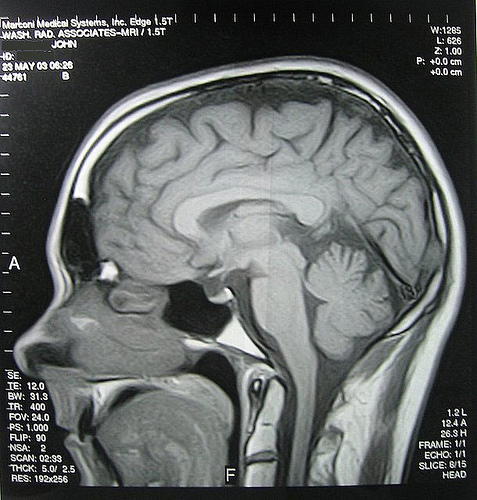
Wet Brain – Alcoholism and Wernicke-Korsakoff Syndrome
Long years of heavy drinking may lead to a thiamine deficiency, and a syndrome known as Wernicke-Korsakoff (wet brain). Much of the brain damage experienced is unfortunately irreversible.

An ultimate and tragic consequence of years of alcoholic drinking, wet brain (Wernicke-Korsakoff syndrome) occurs from a thiamine deficiency due to malnutrition. In early stages, the syndrome can be partially reversed through treatment with large doses of thiamine; in late stage cases, there is no effective treatment (read more about how daily thiamine may help heavy drinkers prevent wet brain.)
Alcoholics become deficient in thiamine (vitamin b-1) through poor eating habits (liquid meals), damaged gastro intestinal systems that do not absorb nutrients well, and through liver damage (leading to a reduction in thiamine processing). Thiamine is an essential nutrient for glucose conversion in the brain, and over time, a thiamine deficiency leads to significant brain cell death and serious structural damage in certain areas of the brain. Areas of the brain most affected include the brain stem, the cerebral cortex and the pons.
Symptoms of Wet Brain
- Ataxia, an irregular gait – wide stance and short step
- Confusion, which often manifests as apathy to external surroundings and low voluntary verbal participation
- Confabulation – telling of events that did not happen, and believing them to be true
- Dementia
- Hallucination – visual, aural or tactile
- Loss of control over eye movements
Treatment for Wet Brain
Patients suffering early stages of wet brain may respond well to large doses of intravenous thiamine, and may see a substantial symptoms improvement. Late stage patients will not benefit from any known treatment.
The mortality rate for wet brain is about 20%. Prompt treatment will lead to a full mental recovery for about 20%, a recovery from ataxia for about 40% and a recovery from irregular eye movement for about 60%.
Most patients suffering from wet brain have abused alcohol heavily for many years. The rate of occurrence in the general population is not known, but it is higher amongst certain subsets, such as the homeless and the elderly.
Anyone concerned about symptoms indicative of wet brain needs immediate medical attention.
Continue Reading:
Even Brain Damaged Alcoholics Can Expect Neural Recovery with Prolonged Sobriety
Editor’s picks

Shame after Drinking - Why You Feel So Low the Next Morning
Morning after drinking guilt and shame - why do you feel so low that next morning and what can you do about it?

It's Never Too Late for Help: Alcohol Abuse and The Elderly
Estimates put the number of alcohol dependent seniors in the millions, and only a fraction of these are getting the help they need. For a number of reasons, alcohol abuse in the elderly often goes undiagnosed; and too often, elderly alcoholics are never presented with the treatment options that could greatly improve their health and quality of life. Old age is not a valid reason for self destructive drinking, and families do not offer kindness to older relatives when they attempt to spare them the pain and difficulty of addictions treatment. The elderly deserve the same access to treatment as the rest of the population, and since alcohol is especially debilitating to older bodies, the time for any needed treatment is now.

Alcoholism: Why Some Become Drunks ...and Others Don't
Why can some people drink heavily and never become alcoholics when other people get addicted so quickly?

AA and Terminal Uniqueness - Are You As Unique As You Think You Are?
A lot of people attend a single AA meeting and dismiss the group as "full of people that have nothing in common with me". 12 steppers call this phenomenon terminal uniqueness. It's very common, and it's usually completely false.
A Timeline for the Restoration of Cognitive Abilities after Quitting Alcohol
Researchers say that your brain can make a nearly complete recovery – so long as you give it some recovery time. Here's a timeline of when you can expect different cognitive abilities will return to normal after you quit drinking.