Marijuana Addiction Self-Test
About one in ten who begins experimenting with marijuana will find themselves addicted to the drug. Are you addicted to marijuana? Take this test and find out.

Anyone who would argue that marijuana is not addictive need only head down to one of the thousands of Marijuana Anonymous meetings occurring on a daily basis across the nation to learn a new perspective...
Are You Addicted to Marijuana? Find Out Here
Most people can smoke marijuana recreationally and never develop a significant problem; but it is estimated that about one in ten who try marijuana will end up addicted to it; and when you consider how many millions in America smoke the drug, even 10% becomes an alarmingly high number of addicts.
So do you have a problem with marijuana? Here are 12 questions modified from the 12 questions of Marijuana Anonymous, and if you answer yes to one or more of the following, you may want to reevaluate your relationship with the drug.
Are you addicted?
- Has smoking stopped being enjoyable, at least some of the time?
- Do you smoke alone?
- Do you find it hard to imagine living without marijuana?
- Do you choose friends who also smoke?
- Do you smoke to avoid really confronting your feelings?
- Do you smoke marijuana when you get upset, as a way of coping?
- Do you live in a self defined world outside of regular society, because of your marijuana use?
- Have you ever promised someone you would quit or cut down (including yourself) and failed to do so?
- Do you notice that you are not as sharp as you were, or that your memory is worse because of your marijuana habit?
- When you are nearly out of marijuana, do you start to feel anxious about getting more?
- Does your life revolve around your use of marijuana?
- Have friends or family ever told you that your marijuana habit has had a negative effect on your relationship?
If you answer yes to even a single of the preceding, you may have a problem with marijuana, and you may want to consider whether marijuana in your life takes more than it gives.
None of us plan on addiction when we begin experimenting with marijuana, but for 10% of us, addicted is where we end up. Once addicted, when you try to quit there is a syndrome of withdrawal, and some people find it tough to get past the discomfort and cravings.
Fortunately, even if you struggle with quitting on your own, you have a number of support options that can help a lot. These range from a few brief sessions with an addictions counselor to more formal participation in an outpatient or even residential treatment program.
Choose the life you want and do what's needed to live-it.
Editor’s picks
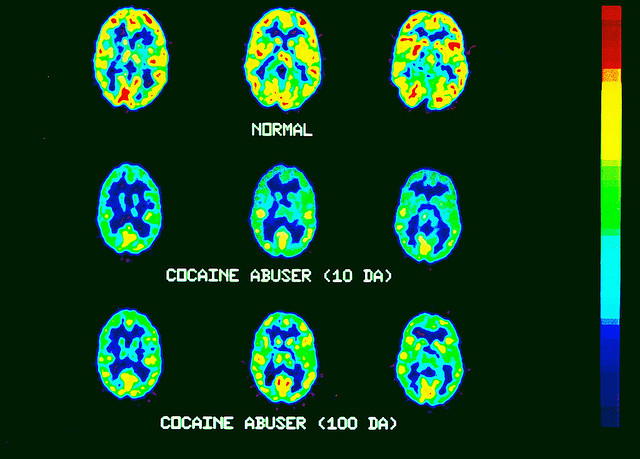
Cocaine Addiction - What Happens in the Brain? Why Is It So Hard to Just Stop?
Learn how gradual and imperceptible changes to the brain’s structure and function lead people steadily from recreational use to heavier use to addiction.

Addicted to Alcohol? Learn About Alcoholism & Treatment
The difference between alcohol abuse and alcohol addiction (alcoholism), what puts you at risk of becoming an alcoholic and what to do once you’ve crossed that invisible line to addiction.

A 2 Question Drug Abuse Test That Predicts Your Odds of Having a Problem
Drug abuse test: do you have a substance use disorder? Well, if you’re not sure, answer the following 2 questions honestly and find out – 92.3% of people that can answer no to both questions do not have a problem.

Oxycontin Addiction Treatment: Rehab or Suboxone/Methadone?
This article examines the different treatment options for Oxycontin addiction. It looks at who should go to rehab versus who should go to Medication Assisted Treatment like Suboxone or methadone treatment. An explanation is given for what each treatment is and what would be expected of the addict for each option.

The Dangers of Cocaine Use while on Suboxone or Methadone
Here are 4 excellent reasons to avoid cocaine use while on Suboxone/methadone: cocaine reduces the effectiveness of Suboxone or methadone (which means more opiate withdrawals), increased risk of overdose, poly-drug addiction and resumption of a drug seeking lifestyle.